18 Small Japanese Garden Ideas
I still remember my first attempt at gardening in a cramped city apartment. I bought a tiny bonsai tree and convinced myself I had achieved Zen mastery. Two weeks later the poor tree lost every leaf it owned. That failure taught me something important about small spaces though.
You do not need acres of land to find peace. You just need the right design. Japanese gardens work perfectly for small backyards because they focus on details rather than size.
18 Small Japanese Garden Ideas
1. Tsuboniwa Courtyard
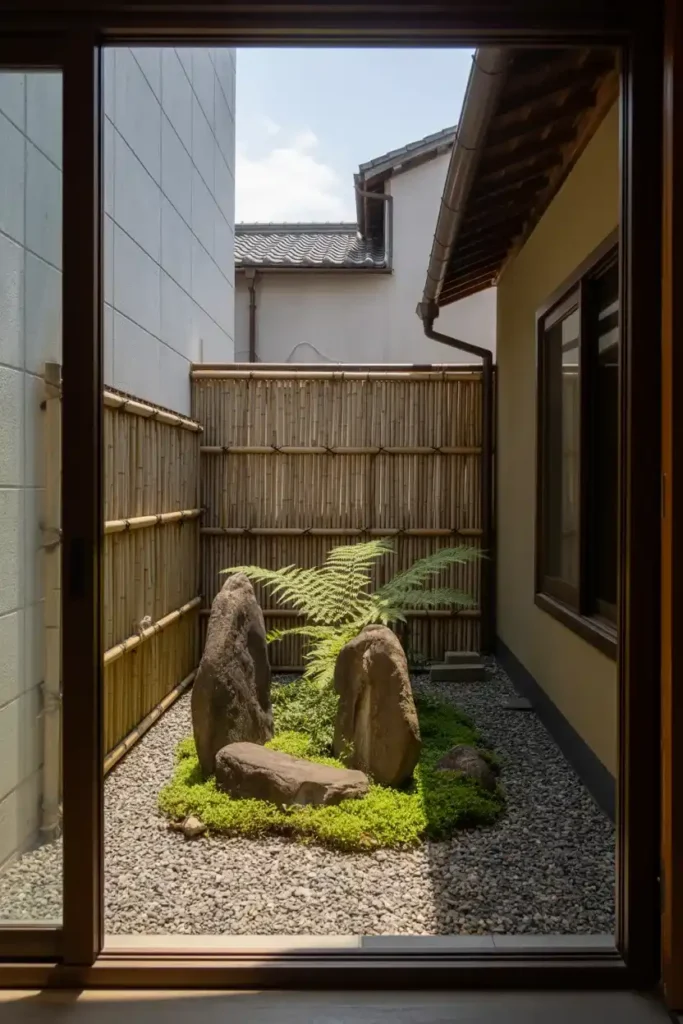
I love the concept of Tsuboniwa because it was literally invented for tight spaces between buildings. You enclose a tiny area with simple walls or bamboo fences to create a private viewing box.
I find that placing just three large rocks and a single fern creates enough drama for the entire space.
You treat this spot like a living painting that you view from inside your house. It brings nature indoors without taking up actual floor space.
2. Dry Rock River
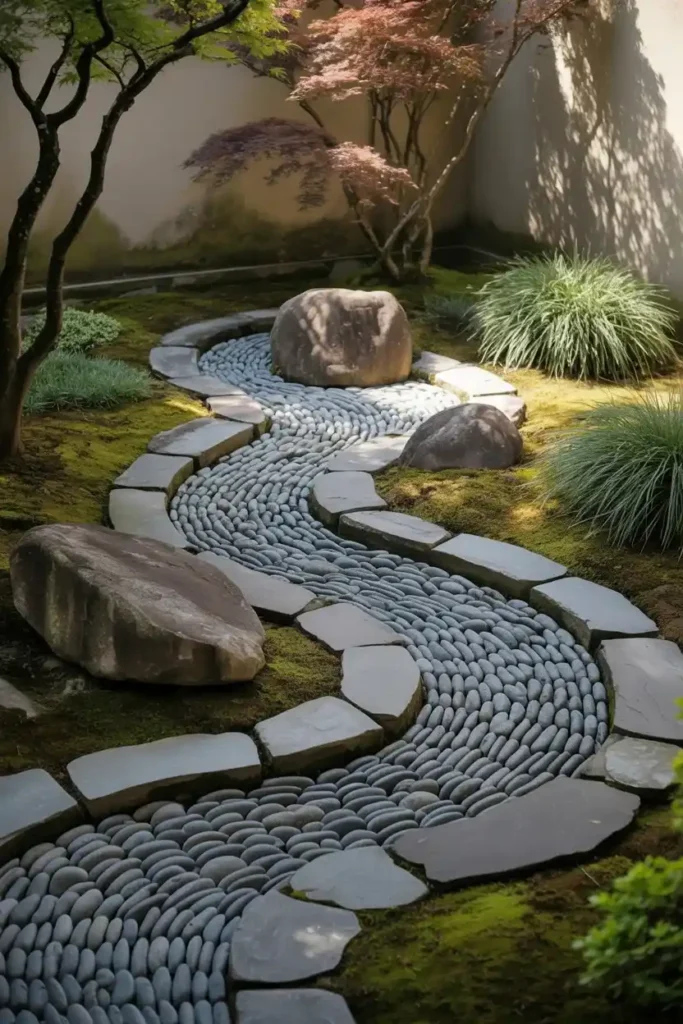
Water features often intimidate me because of the plumbing and leaks. A dry rock river solves that problem instantly.
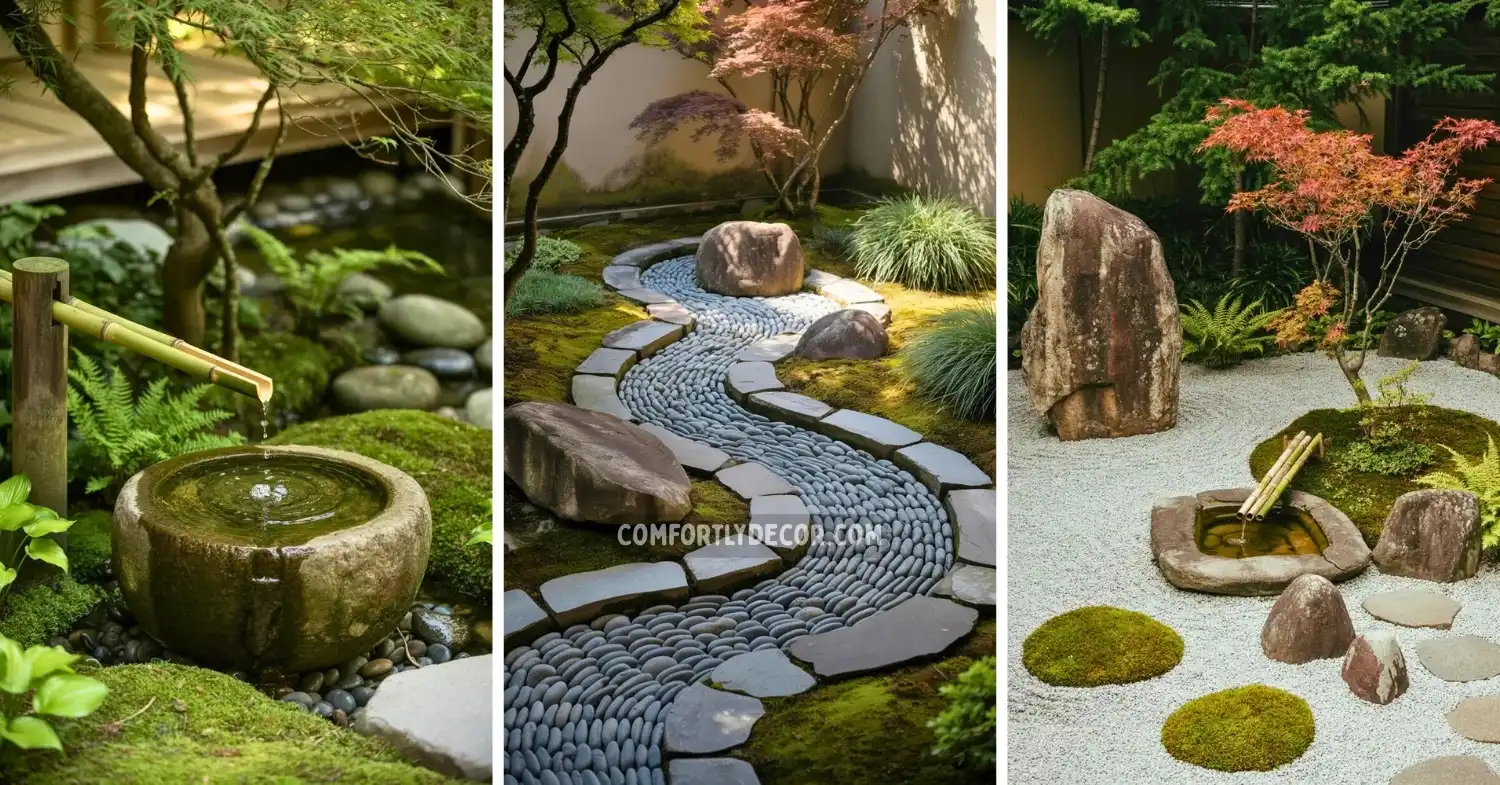
You use smooth grey river stones to mimic the flow of water across your ground. I suggest you arrange the stones to swirl around larger rocks as if they are islands in a stream.
This technique adds movement and flow to a stagnant corner of your yard. It requires zero water and looks good in every season.
3. Moss Carpet Lawn
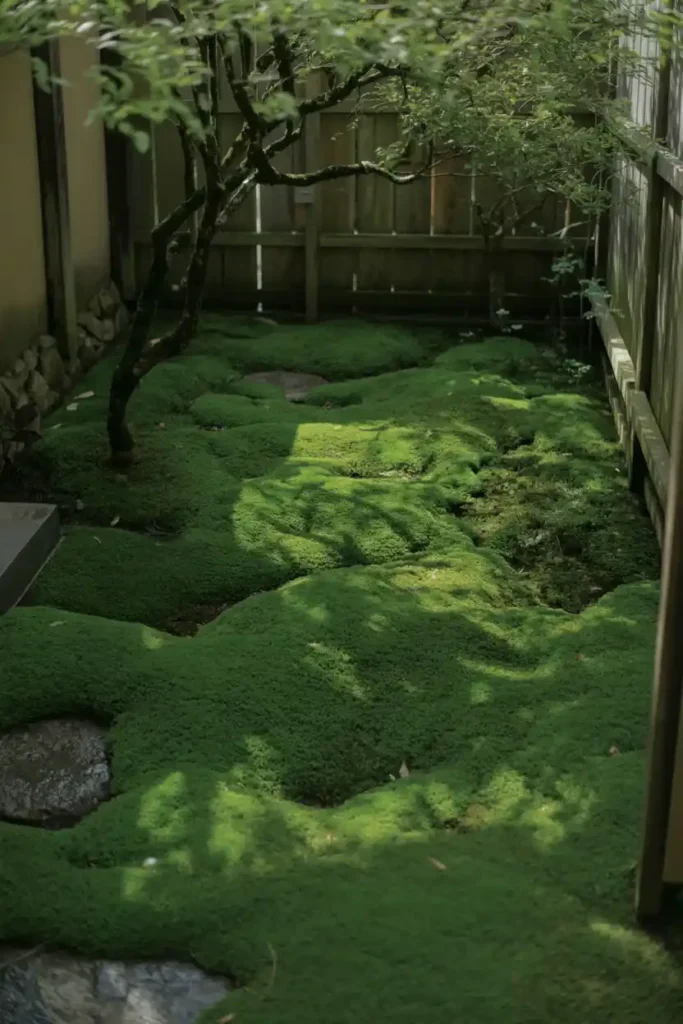
Grass refuses to grow in my shady side yard so I stopped fighting it. Moss loves those damp and dark corners that regular grass hates.
A moss lawn creates a soft and velvet like texture that feels ancient and serene. You must keep it moist but it never needs mowing.
I think this is the ultimate low maintenance ground cover for small areas. It creates that deep forest atmosphere even if you live downtown.
4. Stone Lantern Focal Point
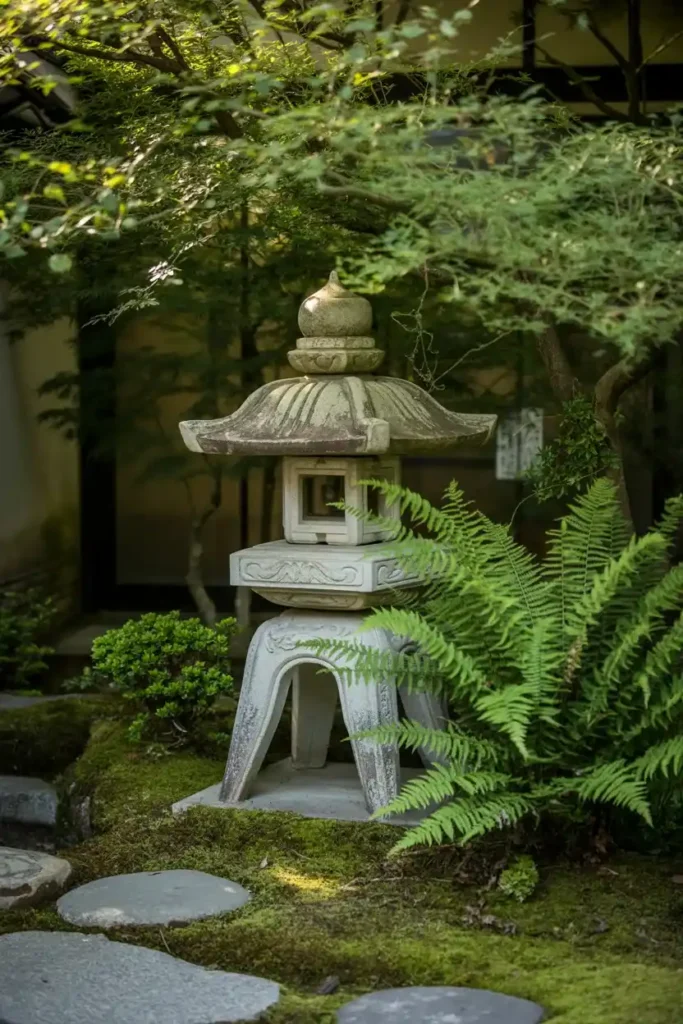
A genuine stone lantern or Ishidoro acts like an anchor for the eyes. I like to place one partially hidden behind a fern or shrub. This creates a sense of mystery and depth.
You do not want it standing out in the open like a garden gnome. Concealment is key here.
When you hide part of the lantern it makes the viewer imagine there is more to the garden than they can see.
5. Tsukubai Water Basin
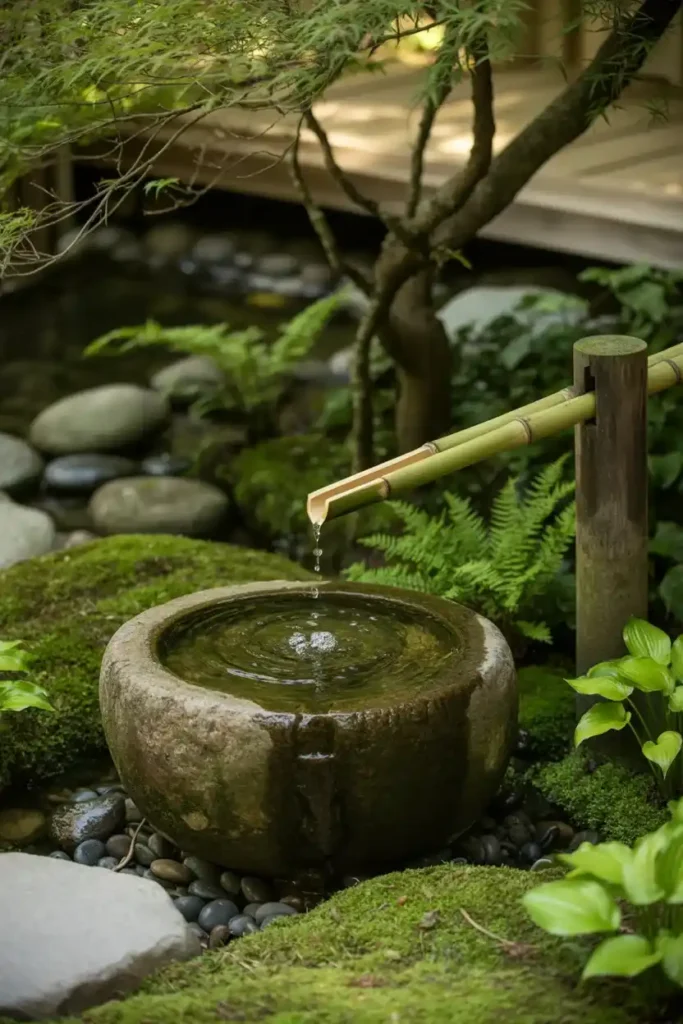
This is my favorite way to add actual water without building a pond. A Tsukubai is a small stone basin originally used for ritual cleansing before tea ceremonies.
You set it low to the ground so guests have to humble themselves to use it. I use a simple bamboo spout to drip water into the basin.
The sound of water dripping onto stone is incredibly soothing. It attracts birds too which is a nice bonus.
6. Bamboo Sleeve Fence
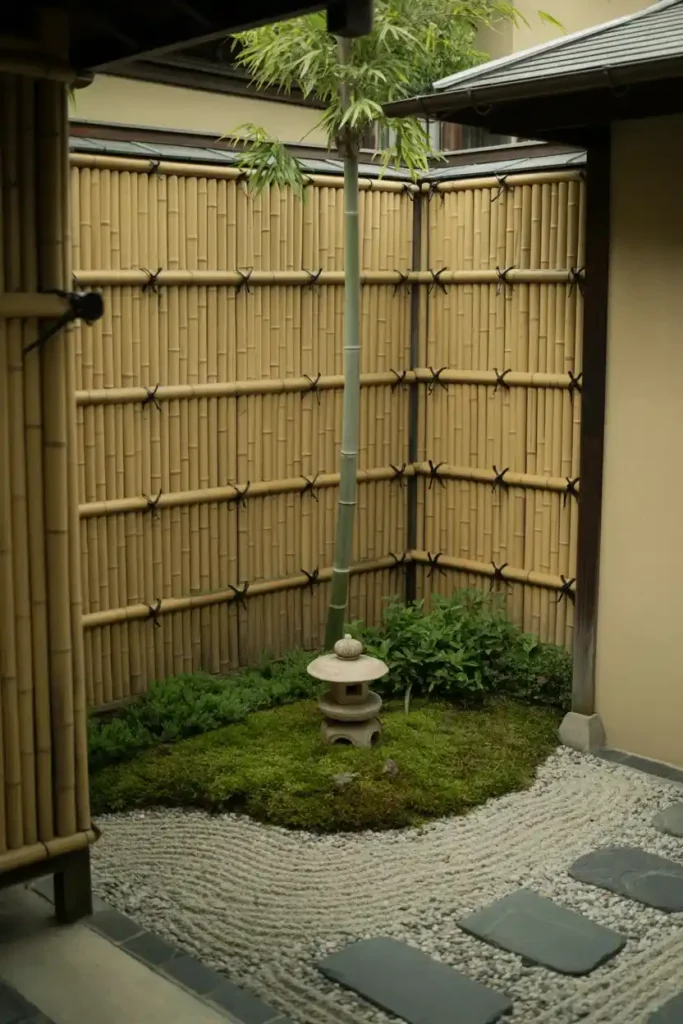
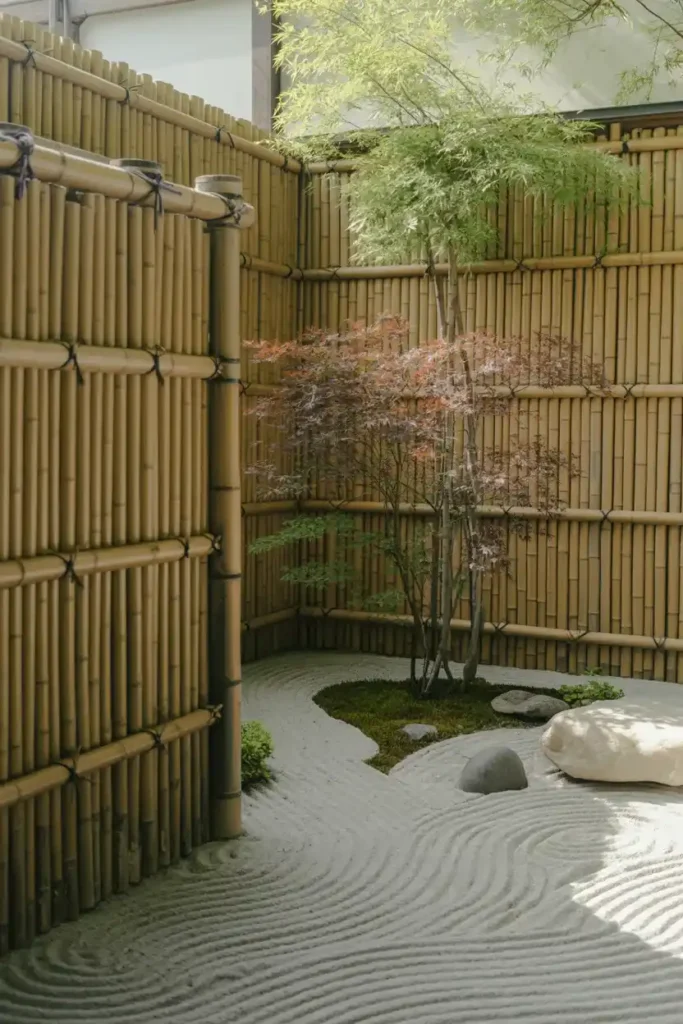
Privacy is usually a nightmare in small townhouses. A Sode gaki or sleeve fence creates an instant partition. It is a short fence that projects from a building structure to screen a specific view.
I use these to hide my air conditioning unit or trash cans. The bamboo texture looks natural and beautiful while doing a dirty job.
It adds a vertical element that draws the eye upward and makes the space feel taller.
7. Winding Stepping Stone Path
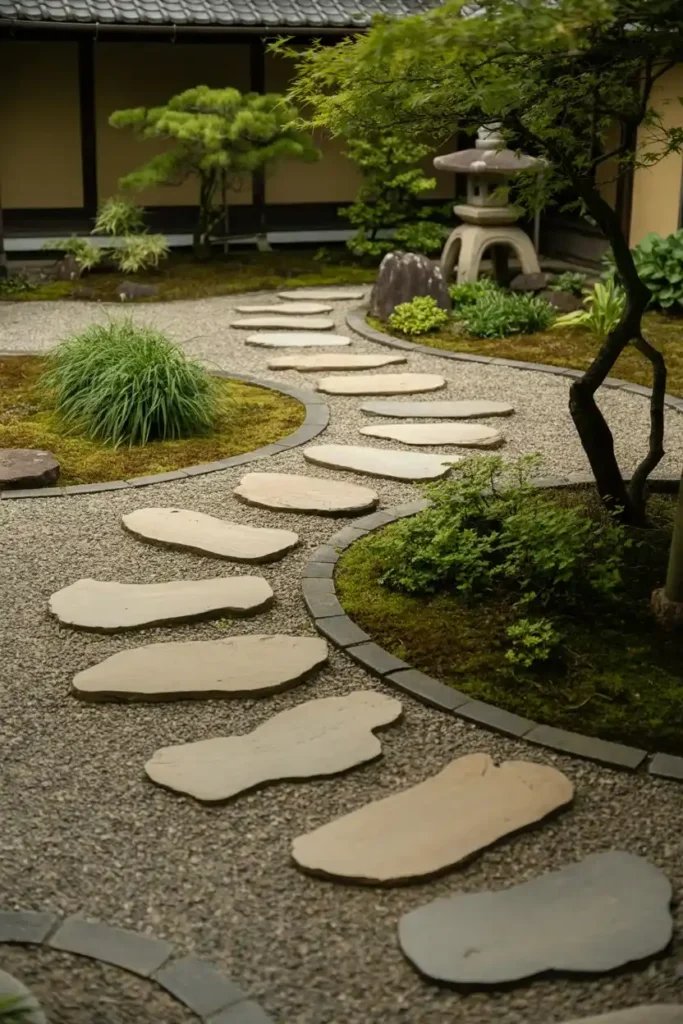
Straight lines make a small garden look even smaller. I always lay stepping stones in a curved or zigzag pattern. This forces you to slow down and watch your feet.
It tricks your mind into thinking the journey through the garden is longer than it really is. Use irregular flat stones rather than perfect squares.
This connects you to the raw nature of the materials and softens the hard edges of your yard.
8. Borrowed Scenery Trick
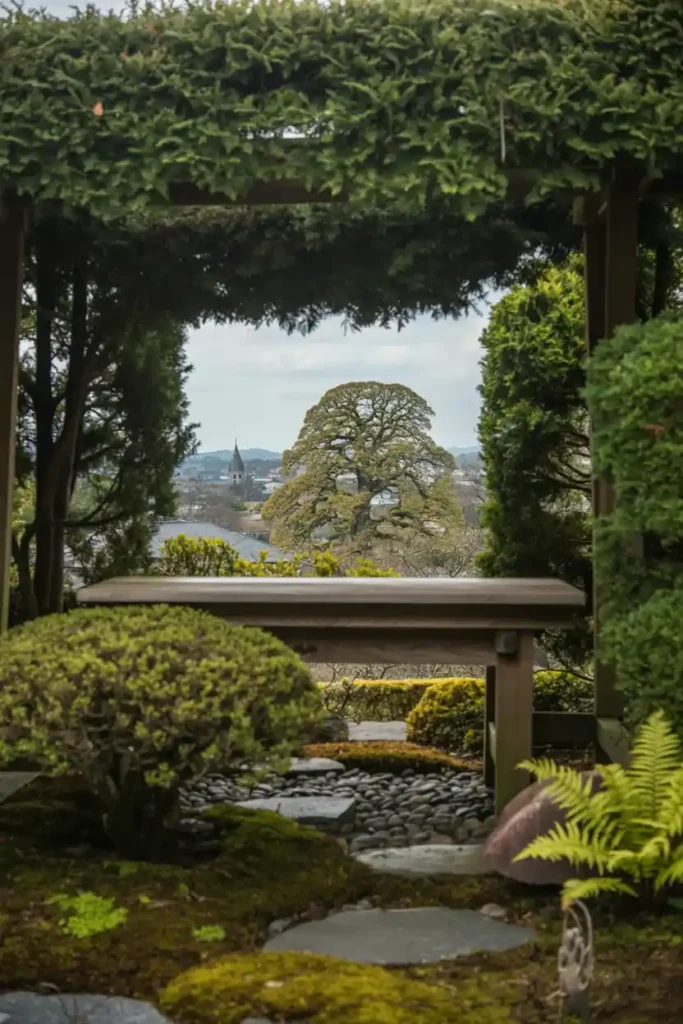
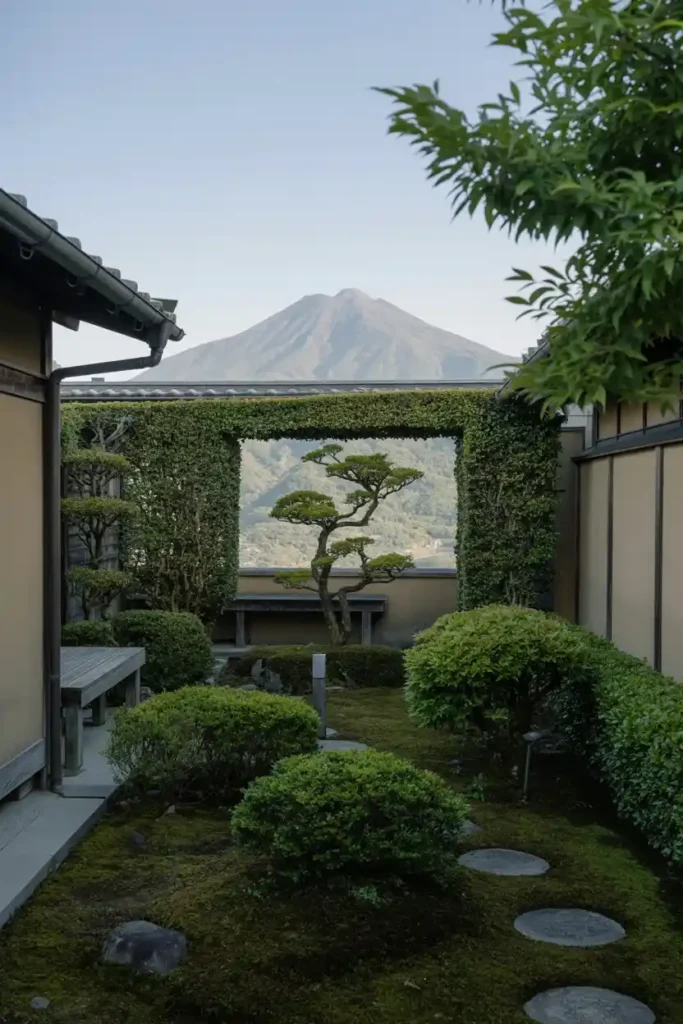
The Japanese call this Shakkei and it is brilliant for small budgets. You look for something beautiful outside your property like a neighbor’s tall tree or a distant church spire. Then you frame your garden design to highlight that object.
I cut back a hedge once just to reveal a view of a distant hill. It makes your tiny garden feel like it stretches all the way to the horizon.
9. Cloud Pruned Tree
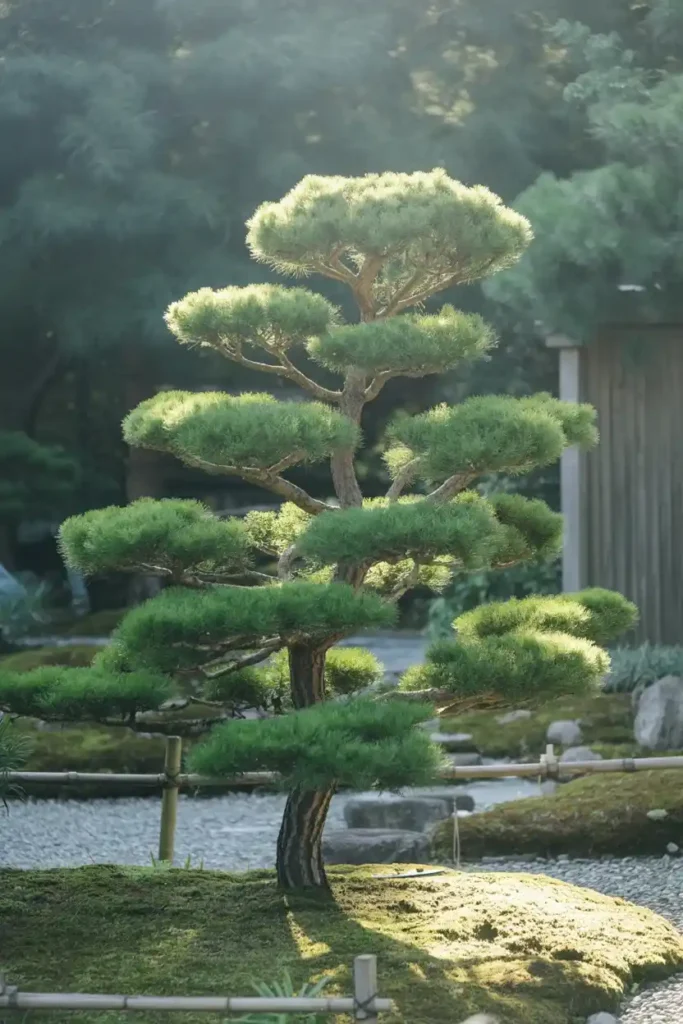
Niwaki or cloud pruning turns a regular tree into a sculpture. I spend time each year trimming my pine tree so the branches look like floating clouds. This requires patience but the result is stunning.
It opens up the structure of the tree and lets light pass through. This transparency stops the tree from blocking views in a small garden.
It adds an artistic and architectural quality that normal bushes lack.
10. Japanese Maple Centerpiece
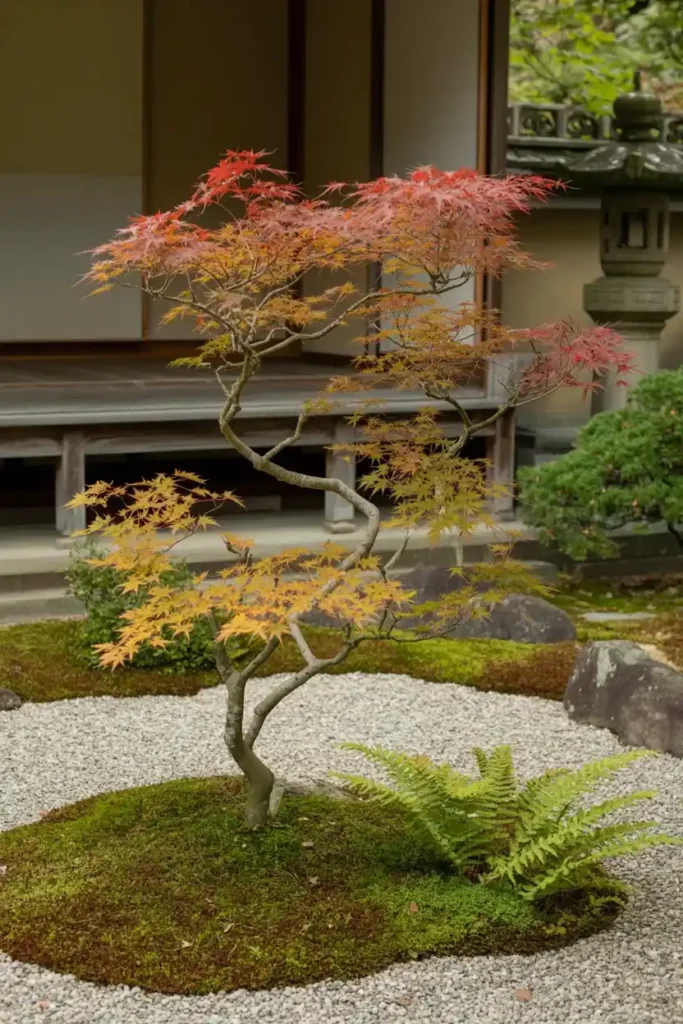
If you only plant one tree I beg you to make it a Japanese Maple. Their delicate leaves and twisting branches look beautiful even when bare in winter.
I prefer the varieties that stay small so they do not overwhelm the space. The autumn color explosion is unlike anything else in nature.
I place mine where I can see it from my favorite reading chair. It marks the changing seasons perfectly.
11. Deer Scarer Bamboo Tube
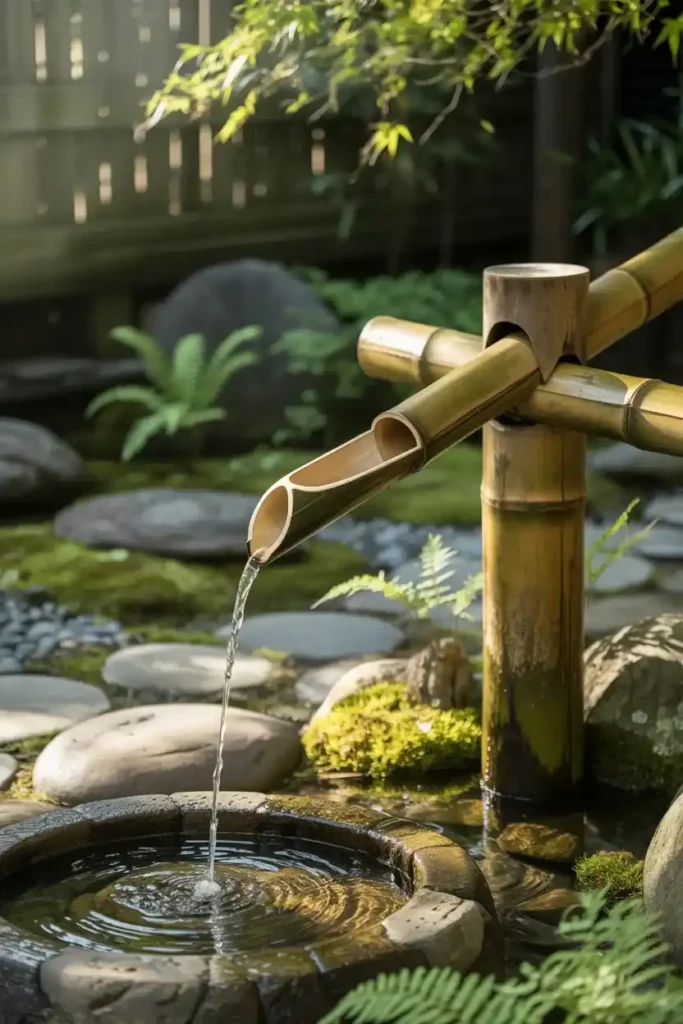
The Shishi odoshi was originally meant to scare deer away from crops. Now I use it for the rhythm it creates.
A hollow bamboo tube fills with water and tips over with a hollow clack sound before resetting. That steady click clack noise helps me meditate and focus.
It serves as a metronome for your garden time. It is a simple mechanism that adds sound and motion without electricity.
12. Raked Gravel Sea
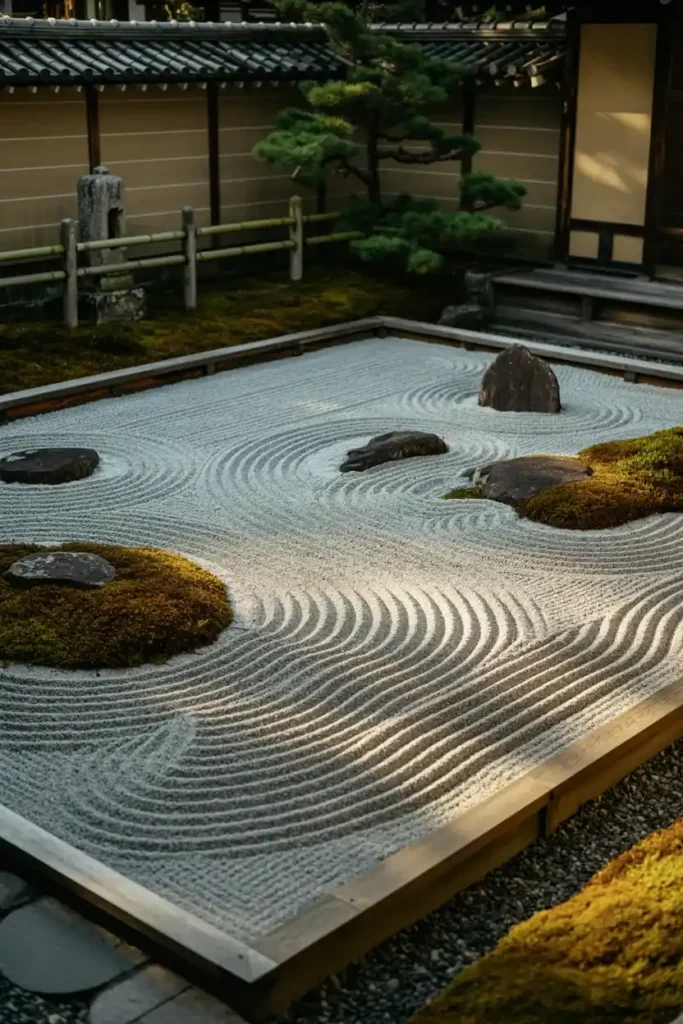
This idea comes from Zen temples and works wonders for stress relief. You fill a flat rectangular area with fine gravel or sand. Then you use a rake to create patterns that look like ripples in water.
I change the pattern based on my mood. Sometimes I make circles and sometimes I make straight lines.
It keeps the garden dynamic. It also prevents weeds from taking over your ground space.
13. Minimalist Slab Bridge
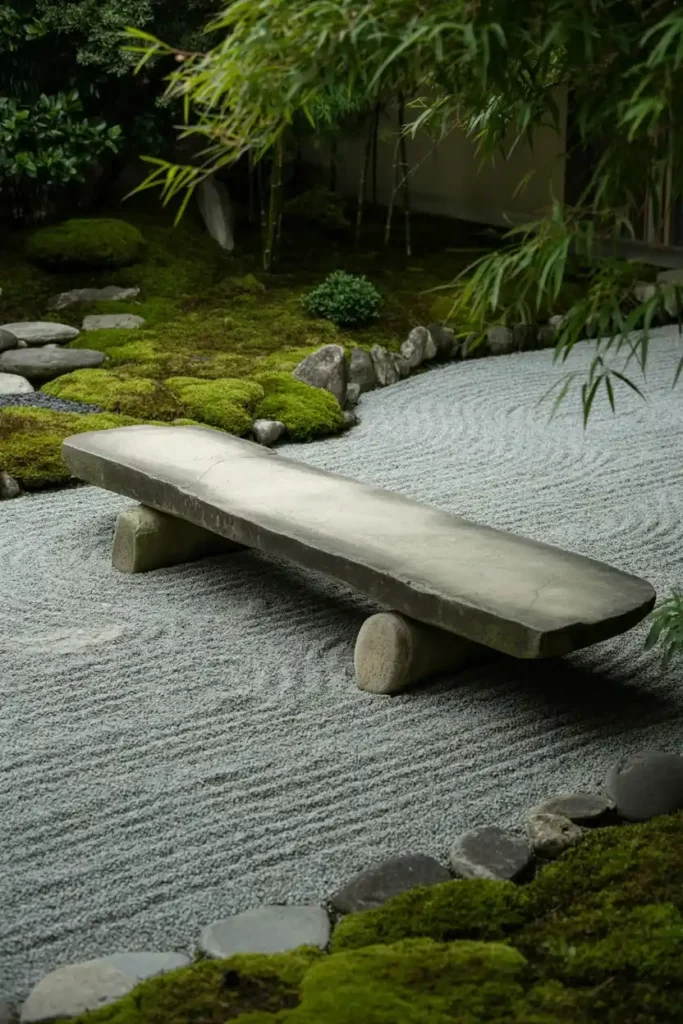
You might think you need water to have a bridge but that is not true. I place a single flat stone slab across a bed of gravel or moss. It symbolizes crossing from one world to another.
It creates a psychological threshold where you leave your work stress behind. The bridge does not have to be high or arched.
A low slab feels grounded and stable. It connects two distinct zones of your tiny garden.
14. Rain Chain Downspout
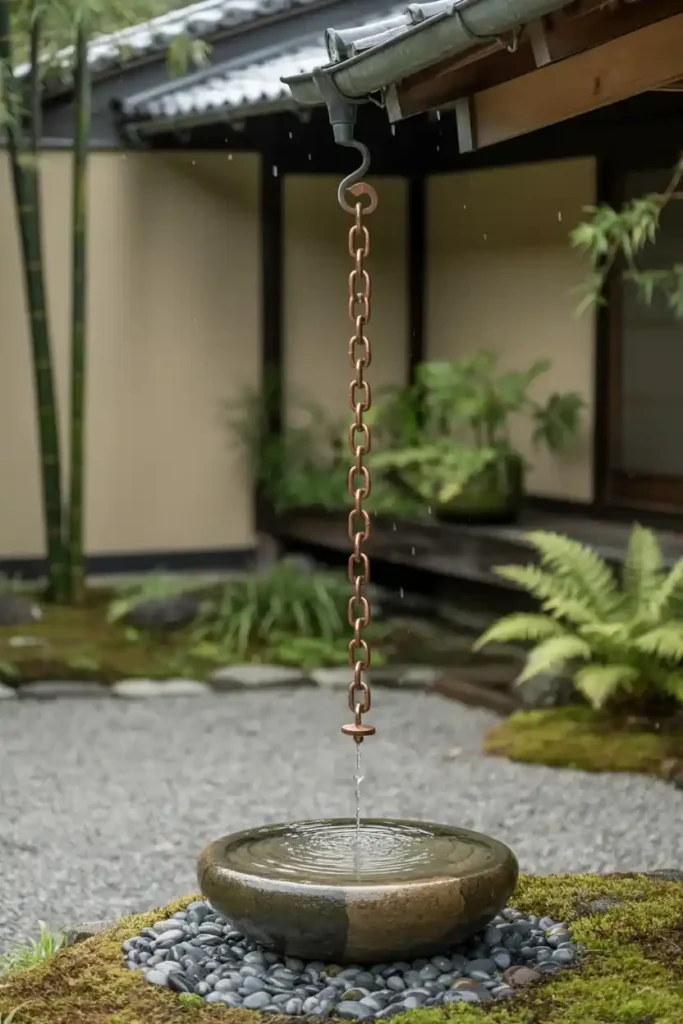
Plastic gutters are ugly and ruin the natural vibe. I replaced my downspout with a copper rain chain or Kusari doi.
Rainwater trickles down the chain and creates a lovely visual effect. I direct the water into a stone bowl or a bed of pebbles at the bottom.
It turns a boring weather event into a water feature. Watching the rain flow down becomes a relaxing activity rather than a nuisance.
15. Potted Bonsai Corner
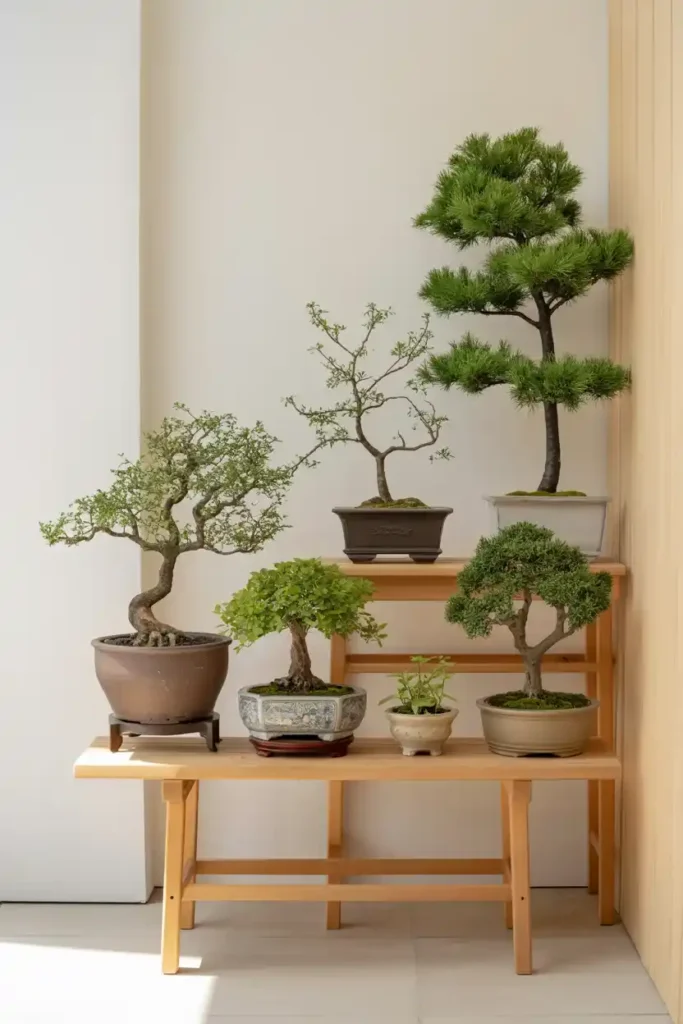
Sometimes you have literally zero soil to work with. I built a simple wooden bench against a wall to display potted bonsai trees.
This creates a vertical garden that takes up only a few inches of floor depth. I rotate the pots so each tree gets enough sun.
It allows you to collect many different tree species in a tiny area. It acts like an outdoor gallery for your living art.
16. Hidden Uplighting
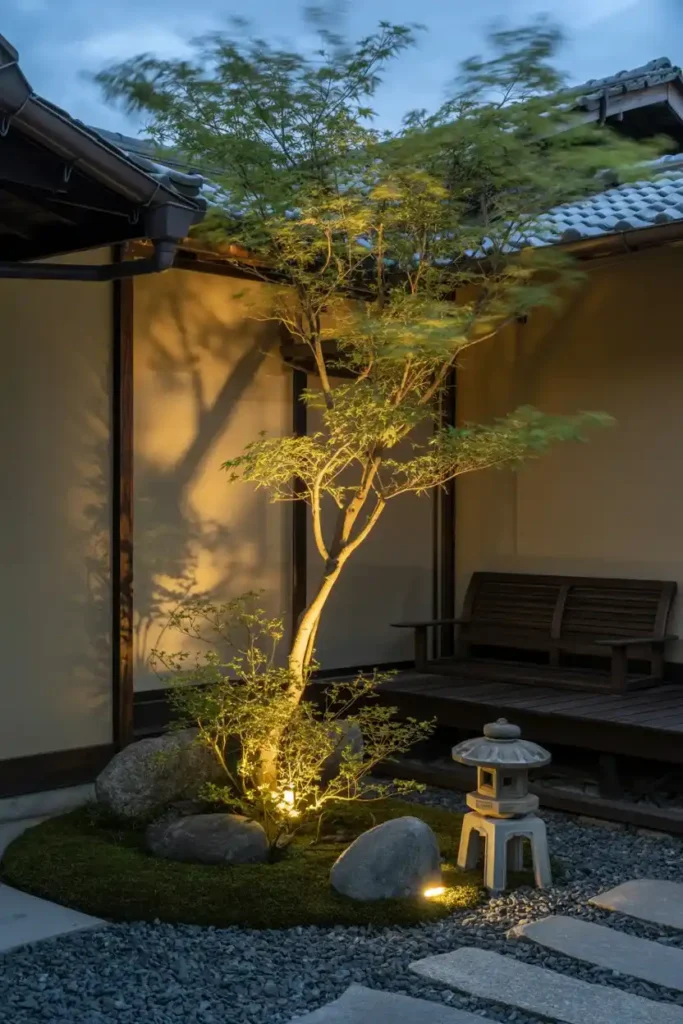
Lighting makes a huge difference in how big a space feels at night. I hide small warm LED lights at the base of trees or behind rocks.
You should never see the light bulb itself. You only want to see the glow. Uplighting the canopy of a tree creates a ceiling for your outdoor room.
It makes the garden usable after sunset and adds a magical drama that disappears during the day.
17. Asymmetrical Balance Layout
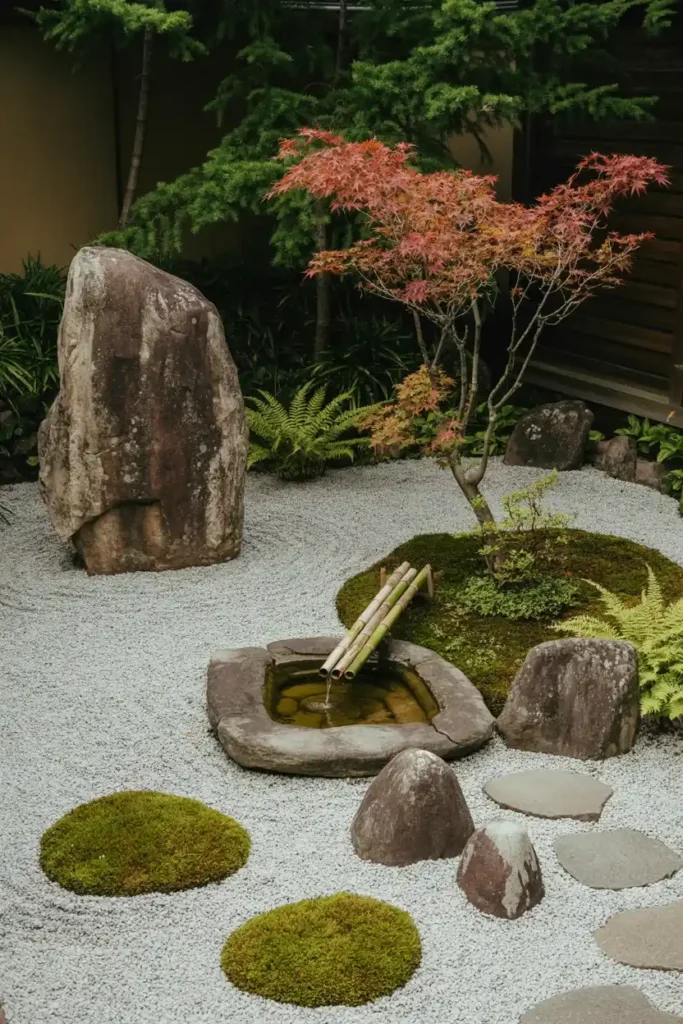
Western gardens love symmetry but Japanese gardens avoid it. I never place objects in the dead center of a space. I group items in odd numbers like three or five.
If I put a large rock on the left I balance it with a small tree on the right. This creates dynamic tension that keeps the eye moving.
It feels more natural and less forced than a mirror image design.
18. Fern Border
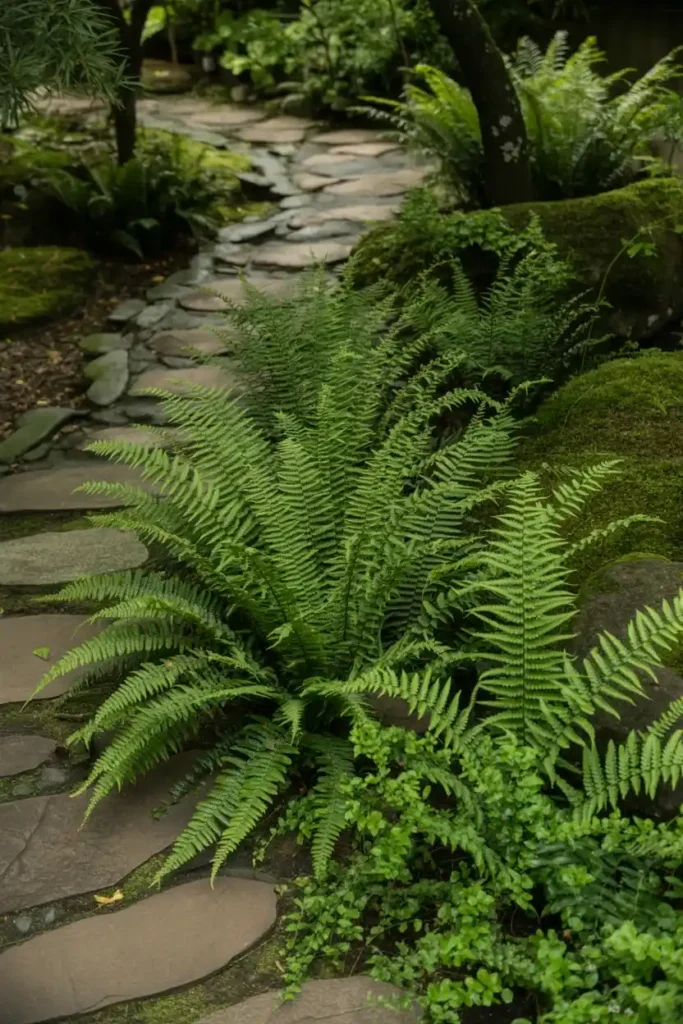
Ferns are the unsung heroes of the Japanese garden. I plant them along the edges of my paths to soften the transition between stone and soil.
They thrive in the shade and add a lush prehistoric texture. They are incredibly tough and bounce back even after a harsh winter.
Their unfurling fronds in spring signify new life. I find they fill in gaps perfectly without competing with the main features.
How to Build Your Zen Space
Planning the Empty Space
The concept of Ma or negative space is crucial. I used to stuff every corner with plants but it just looked messy. You must leave empty areas for the eyes to rest.
I suggest you view the empty space as an active design element. Silence is as important as sound. Think of the gravel or moss areas as the silence that lets the rocks and trees speak.
Selecting the Right Rocks
Rocks represent mountains and islands. I never buy rocks that are all the same size. You need a variety of shapes to make it look natural.
I bury the bottom third of every rock I place. This makes the rock look like it has been there for a thousand years. A rock sitting on top of the soil looks unstable and temporary. Dig it in and give it roots.
Choosing Your Plants
I stick to a mostly green palette. Flowers are rare and usually subtle in these gardens. I rely on leaf shapes and textures for interest. Combine needle evergreens with broadleaf plants.
The contrast between a spiky pine and a smooth Hosta leaf is visually exciting. This restraint keeps the garden feeling calm rather than chaotic. FYI too many colors can stress the brain.
Mastering the Maintenance
Japanese gardens are not wild nature. They are idealized nature. This means I prune my plants regularly to keep them small. You cannot let a tree grow to its full height in a small courtyard.
Pruning is a meditative practice for me. I nip off new growth to maintain the shape. IMO this connection to the plant is the best part of owning the garden.
FAQs
Start Your Journey to Serenity
I hope these ideas show you that size truly does not matter when it comes to finding peace. You create a sanctuary by selecting a few meaningful elements and arranging them with care.
Start with just one corner. Add a rock and a fern. See how it changes the feeling of the space. Gardening is a process and not a destination. Get your hands dirty and find out what works for you. Your tiny slice of Zen is waiting for you to build it.

I am Mindy Medford, a home décor, paint, and design specialist with over a decade of hands-on experience transforming ordinary spaces into cozy, personality-packed havens. Since 2013, I have been helping homeowners discover the art of beautiful yet practical design. I share my love for color, texture, and layout—making stylish interiors & exteriors feel achievable for everyone. Whether it’s picking the perfect paint shade or reimagining a small space, I’m here to guide and inspire.