18 Easy Raised Garden Bed Ideas That Will Transform Your Yard
I remember the first time I tried to dig a vegetable patch in my backyard. The ground felt like concrete and my shovel bounced right off the surface. My back ached for days after that failed attempt. Do you hate digging as much as I do? If digging into hard packed earth sounds miserable to you then raised beds are the solution you need. Gardening should be a joy and not a chore that leaves you needing a chiropractor.
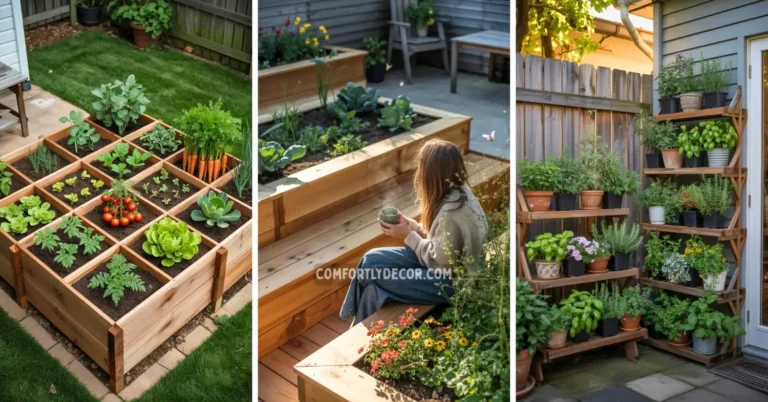
I love raised garden beds because they offer total control over your soil quality and drainage. You get to start fresh with a perfect mix instead of fighting the clay or sand in your yard. Plus the soil warms up faster in the spring so you can plant earlier than everyone else.
18 Amazing Raised Garden Bed Ideas
I have gathered 18 amazing raised garden bed ideas to help you start growing food and flowers without the back pain. Let us jump right in.
1. Classic Cedar Box
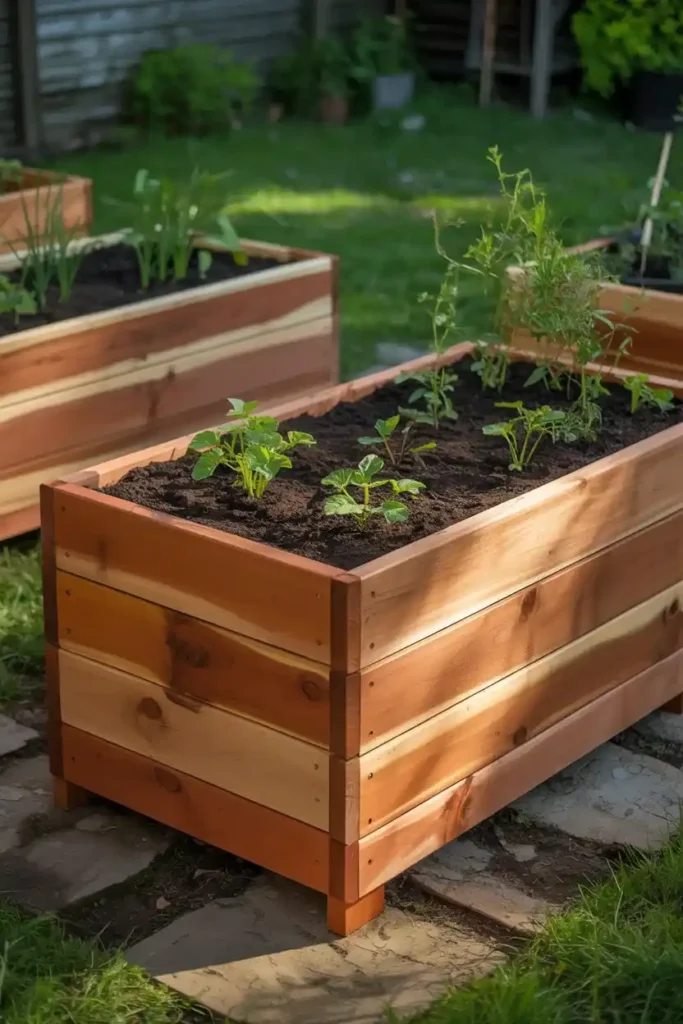
Cedar is the absolute gold standard when it comes to wood for garden beds. This wood resists rot naturally and contains oils that repel bugs without any added chemicals.
I love how the red tones turn into a beautiful soft gray color as the wood ages over time. You should use boards that are at least two inches thick to prevent the sides from bowing out.
While cedar costs more upfront I find the longevity makes it worth every single penny. It smells incredible while you build it too.
2. The Corrugated Metal Bed
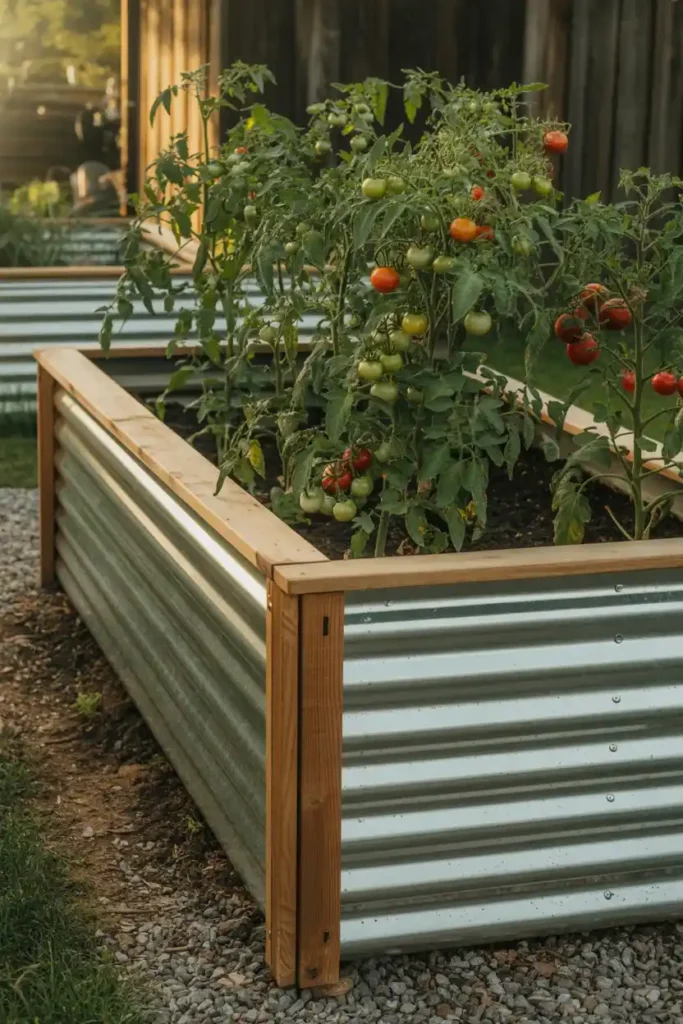
I see these sleek metal beds everywhere lately and for good reason. They offer a modern industrial look that contrasts perfectly with soft green plants.
You can build a wood frame and attach corrugated metal sheets to the sides for a durable container. The metal warms the soil quickly in the spring which gives your tomatoes a head start.
Do not worry about the metal getting too hot for plants because the soil regulates the temperature well. This style looks high end but costs surprisingly little to build yourself.
3. Upcycled Cinder Blocks
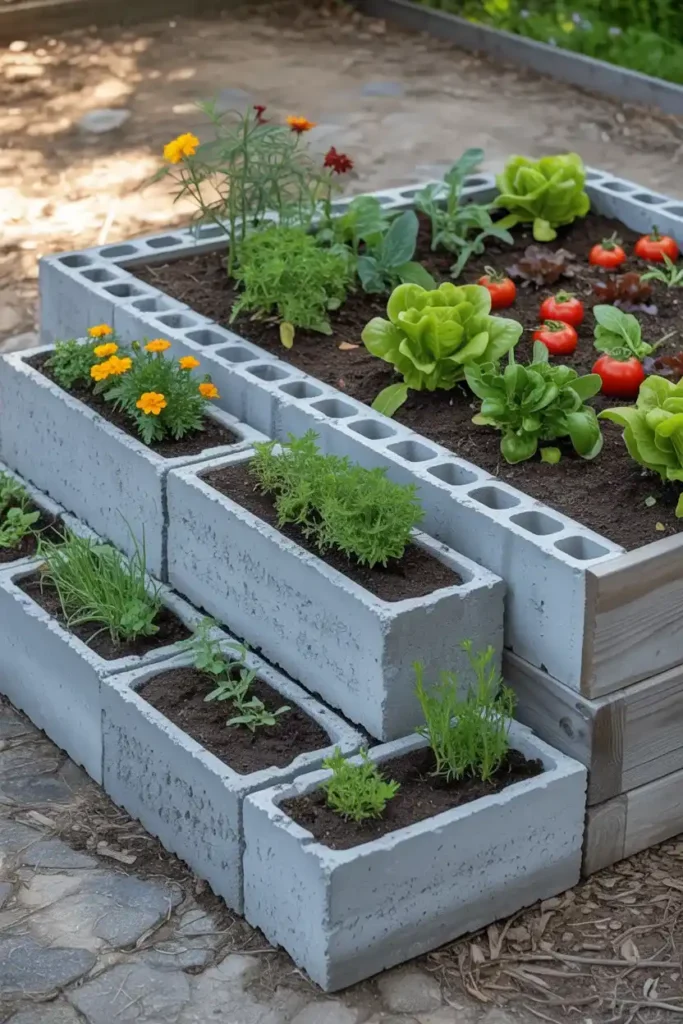
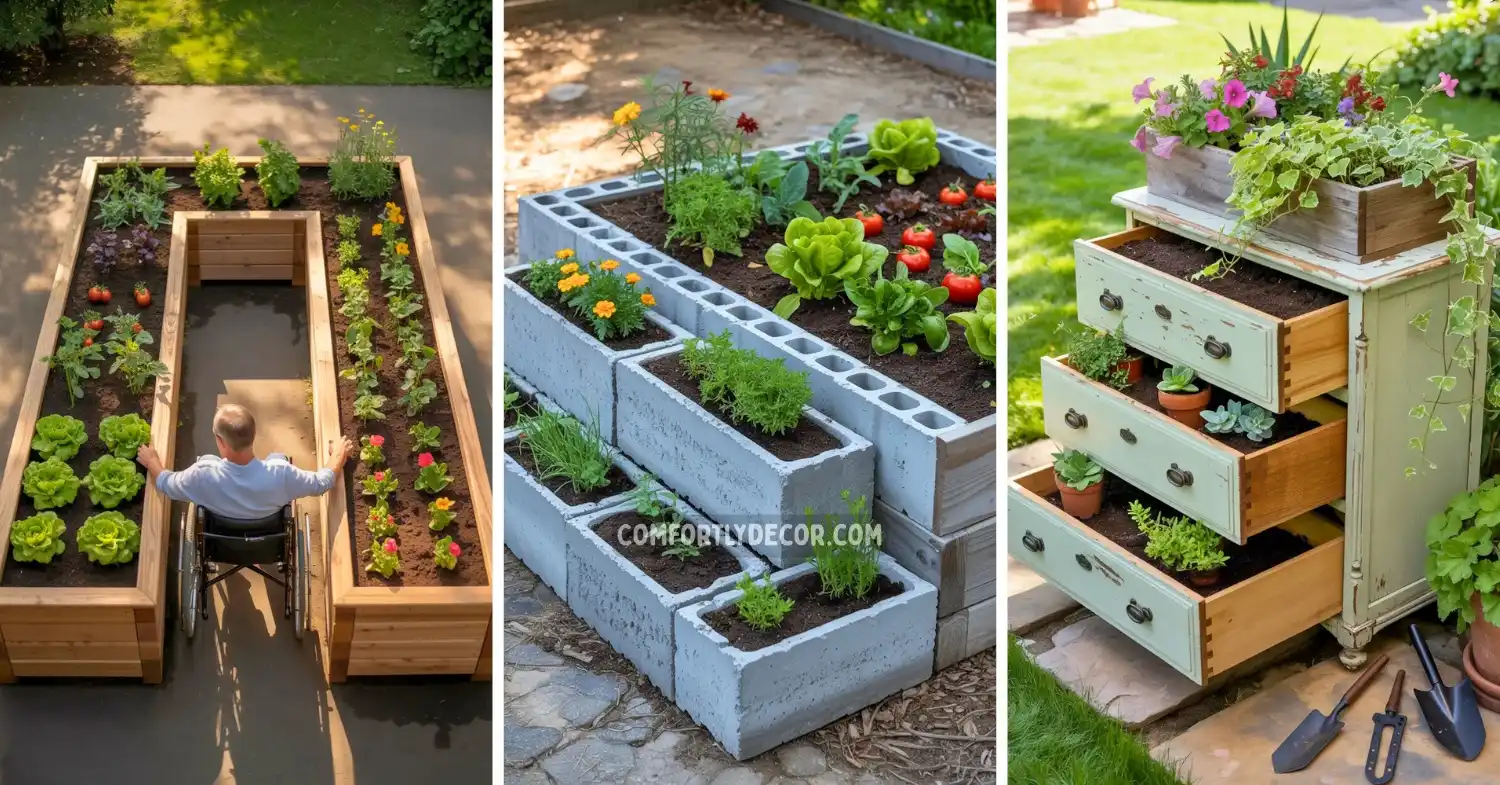
Cinder blocks are likely the most affordable and durable material you can find for a garden bed. You can stack them up in minutes without needing a single tool or screw.
I like to turn the blocks on their sides so the open holes face up. You can fill those small pockets with soil and plant herbs or marigolds in them for a living border.
If you worry about leaching chemicals you can seal the blocks with a safe polymer paint before stacking them.
4. The Easy Pallet Garden
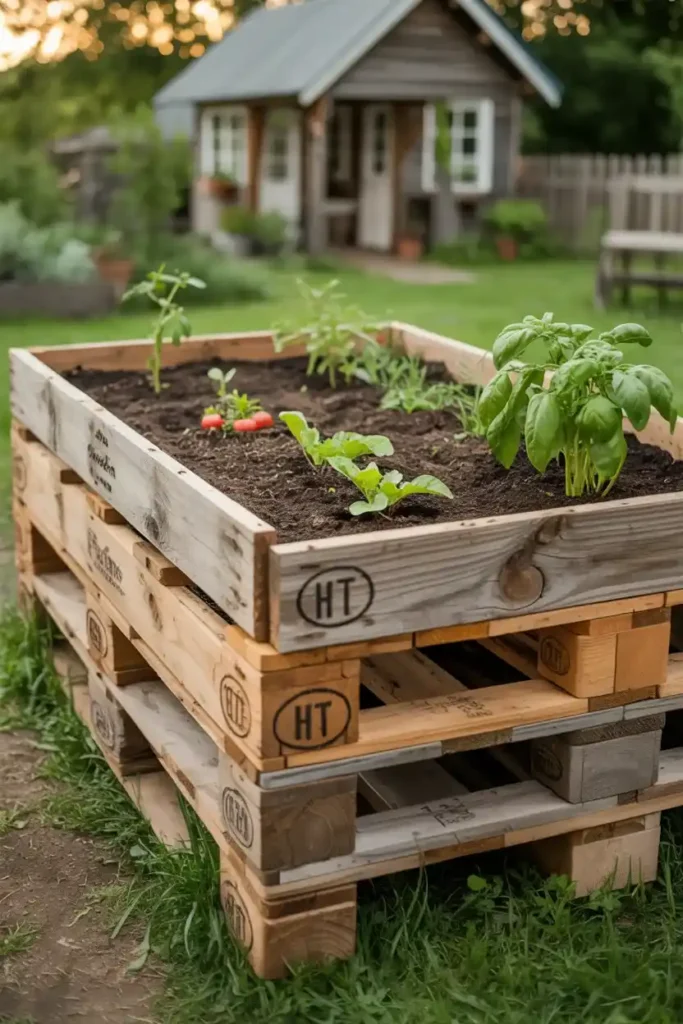
Using shipping pallets is a fantastic way to get free lumber for your garden project. You must check the stamps on the wood to ensure they were heat treated rather than chemically treated.
I usually look for the HT stamp on the side of the pallet. You can dismantle the slats to build a box or simply lay the pallet on the ground and fill it with dirt.
This is a brilliant way to keep your gardening budget near zero. FYI this looks rustic and charming with zero cost.
5. Galvanized Stock Tank
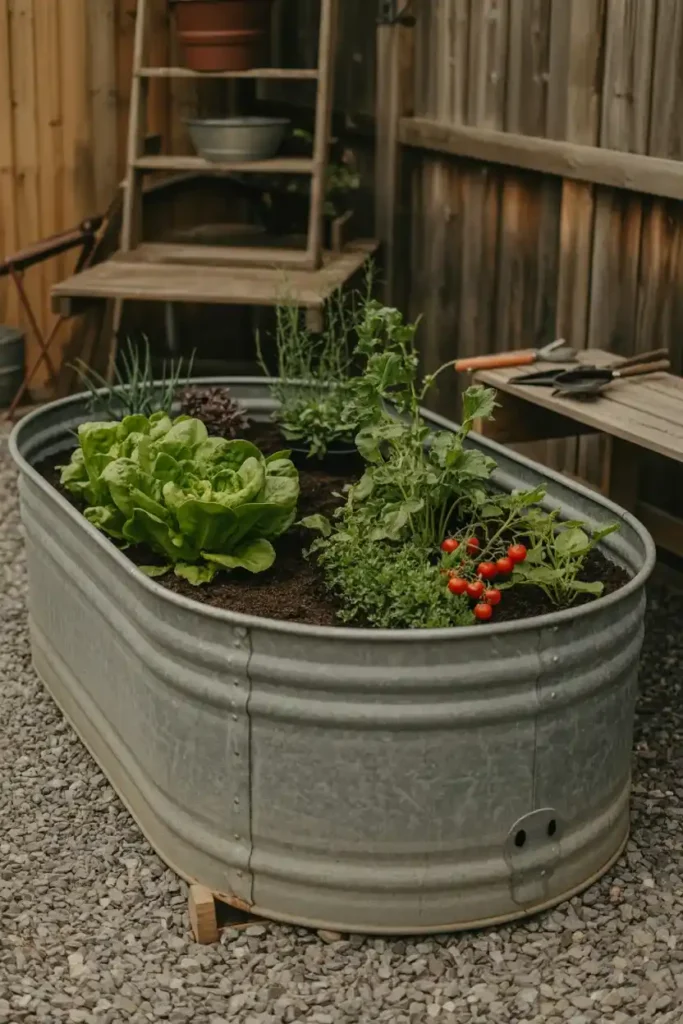
This is my favorite shortcut for an instant garden bed. You can buy these galvanized steel troughs at any local farm supply store.
They require absolutely zero assembly which is a huge win in my book. You just drill a few holes in the bottom for drainage and place the tank where you want it.
They are tall enough to keep rabbits out and they save your back from bending over. The industrial farmhouse vibe is very trendy right now too.
6. Woven Wattle Bed
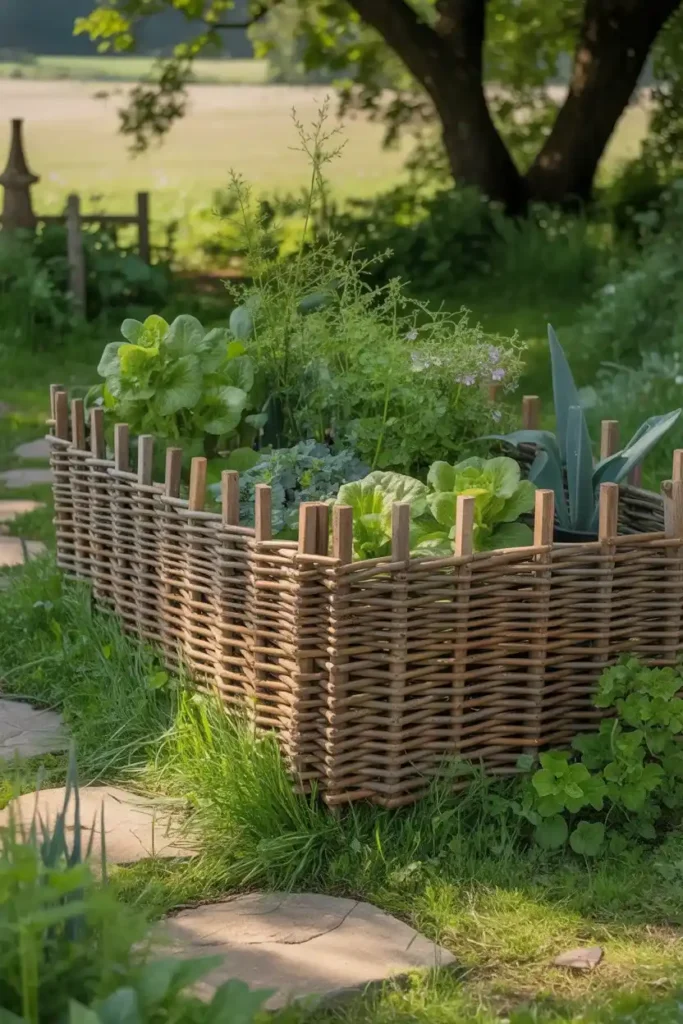
If you want a fairytale look in your garden you should try a wattle bed. This ancient technique involves weaving flexible sticks or branches around vertical stakes driven into the ground.
I use willow or hazel branches because they bend easily without snapping. It costs nothing if you have access to a wooded area where you can forage for fallen branches.
The woven texture looks incredibly natural and blends seamlessly into the landscape. It allows excellent air flow to the soil as well.
7. Tiered Garden Box
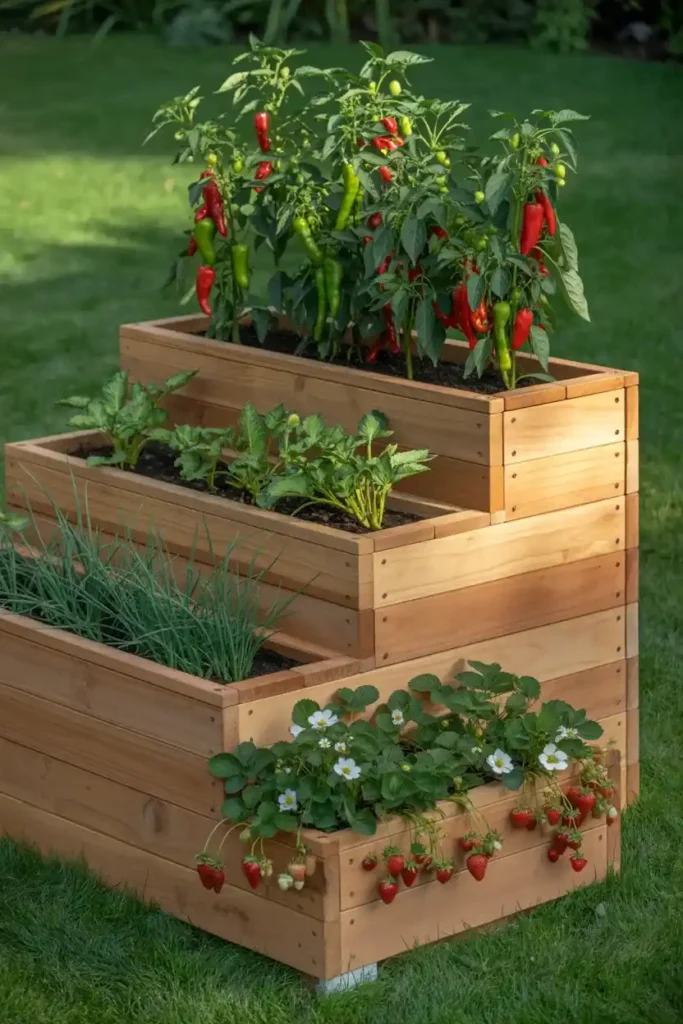
A tiered bed works perfectly if you have a sloped yard or just want to add some height. You build a staircase shape with your lumber which creates separate planting levels.
I like to plant trailing vines like strawberries in the lower levels and tall crops like peppers in the top tier.
This design maximizes your vertical space and makes watering the top section easier. It creates a stunning visual focal point even when the plants are small.
8. The Keyhole Garden
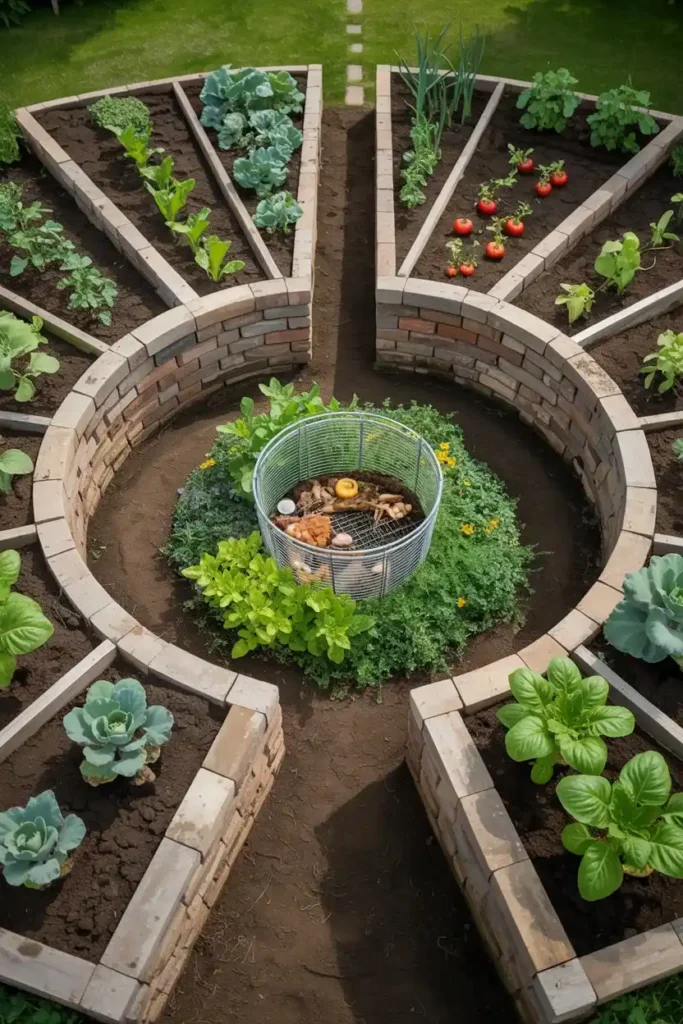
This circular design is brilliant because it incorporates a compost basket right in the center. You build a round bed with a slice cut out of it so you can walk into the center.
You throw your kitchen scraps into the middle basket and the nutrients leach directly into the surrounding soil. This system holds moisture incredibly well and thrives in hot climates.
I think the keyhole shape looks very unique compared to standard rectangles. It creates a self sustaining ecosystem in your backyard.
9. Simple Brick Border
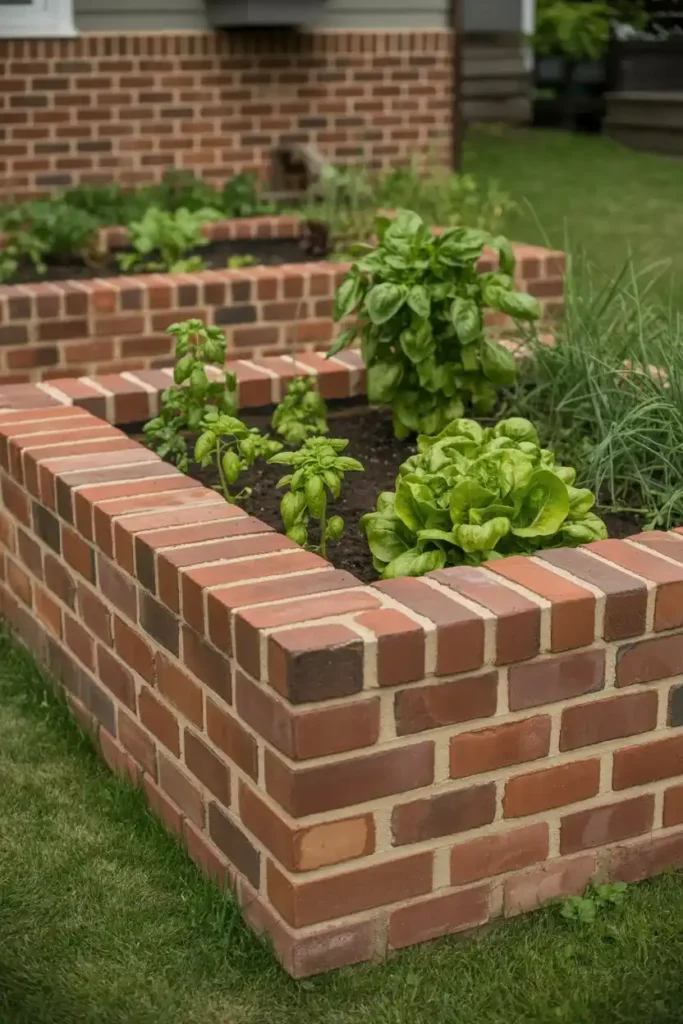
Bricks provide a classic and timeless look that matches almost any home exterior. You can dry stack them for a low border or use mortar if you want a permanent structure.
I appreciate how bricks absorb heat during the day and release it at night which keeps plants cozy.
If you have old bricks lying around from a renovation project this is a great way to use them. They will never rot or degrade like wood eventually does.
10. Painted Tire Planters
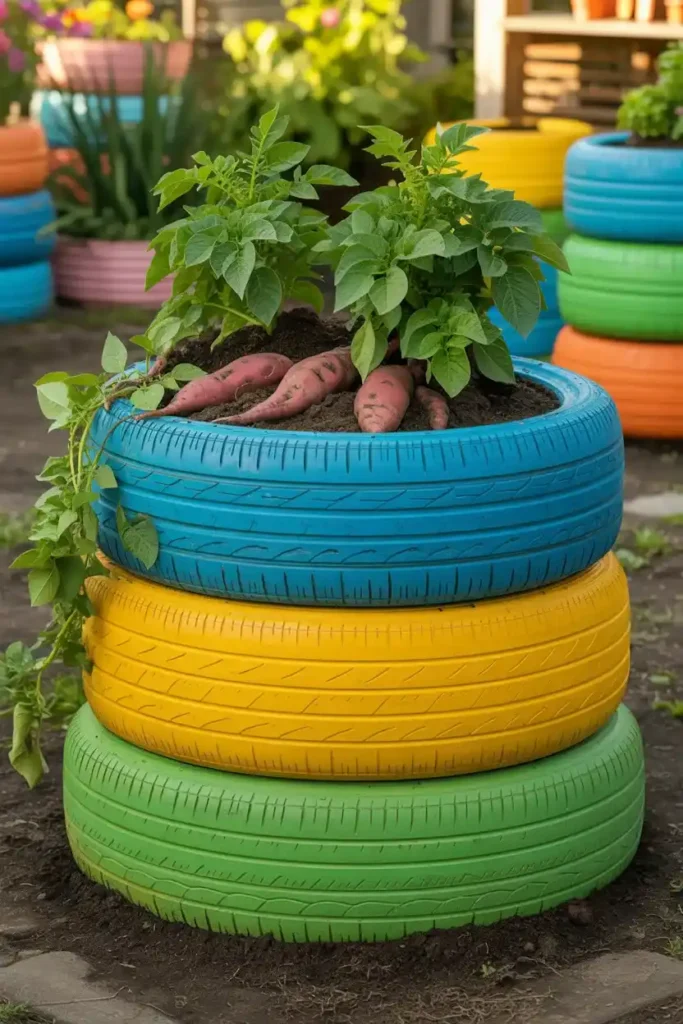
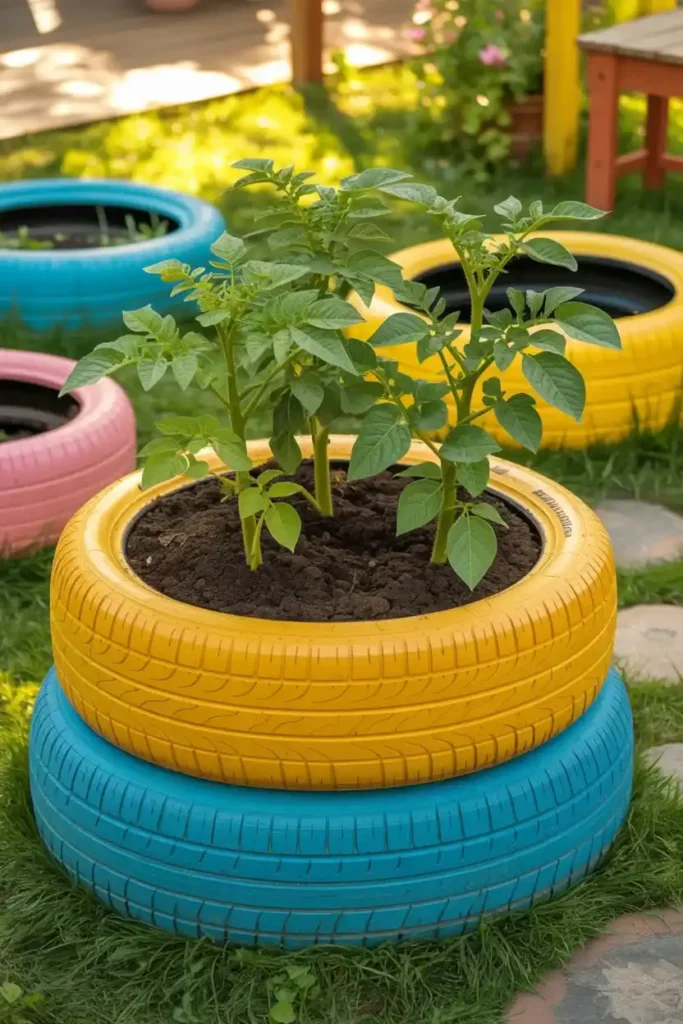
Upcycling old tires is a fun way to keep waste out of the landfill. You can stack two or three tires and fill the center with soil for deep rooted plants like potatoes.
I suggest scrubbing them clean and painting them with bright non toxic exterior paint. They look fantastic in a whimsical or children’s garden.
The black rubber absorbs a lot of heat so heat loving crops like sweet potatoes grow like crazy in them. Just make sure you wash them thoroughly first.
11. Milk Crate Tower
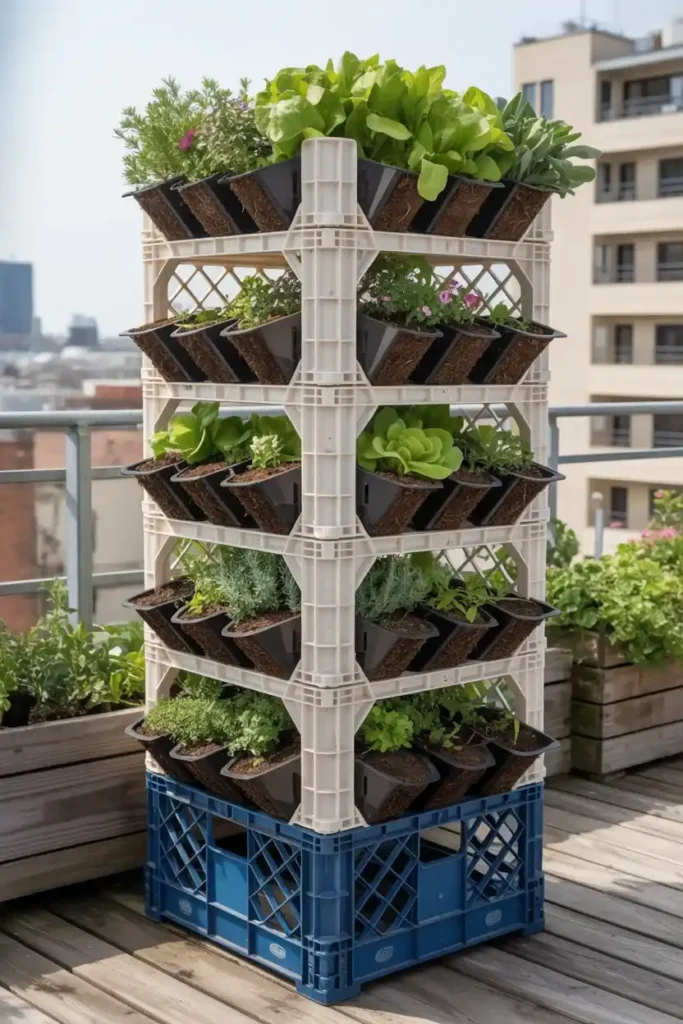
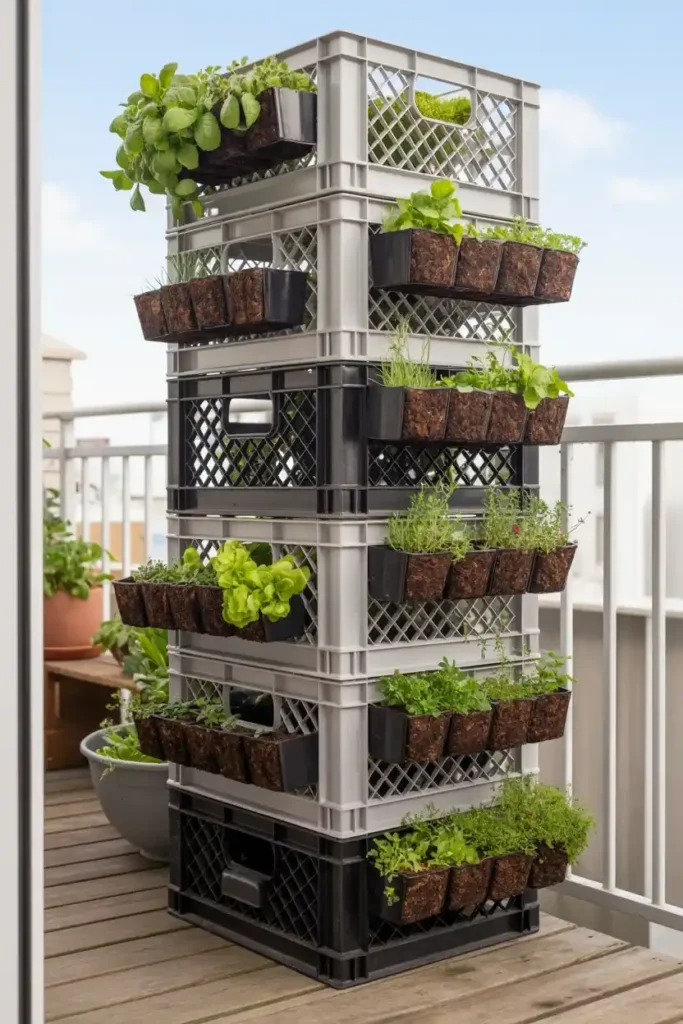
Plastic milk crates are modular and super easy to stack. You can line them with landscape fabric and fill them with potting mix.
I love that you can rearrange your entire garden whenever you want just by moving the crates. This is an ideal solution for renters or people with only a balcony.
You can create a vertical wall of green by stacking them on their sides. It is a super cheap way to start growing immediately.
12. Dry Stack Stone Wall
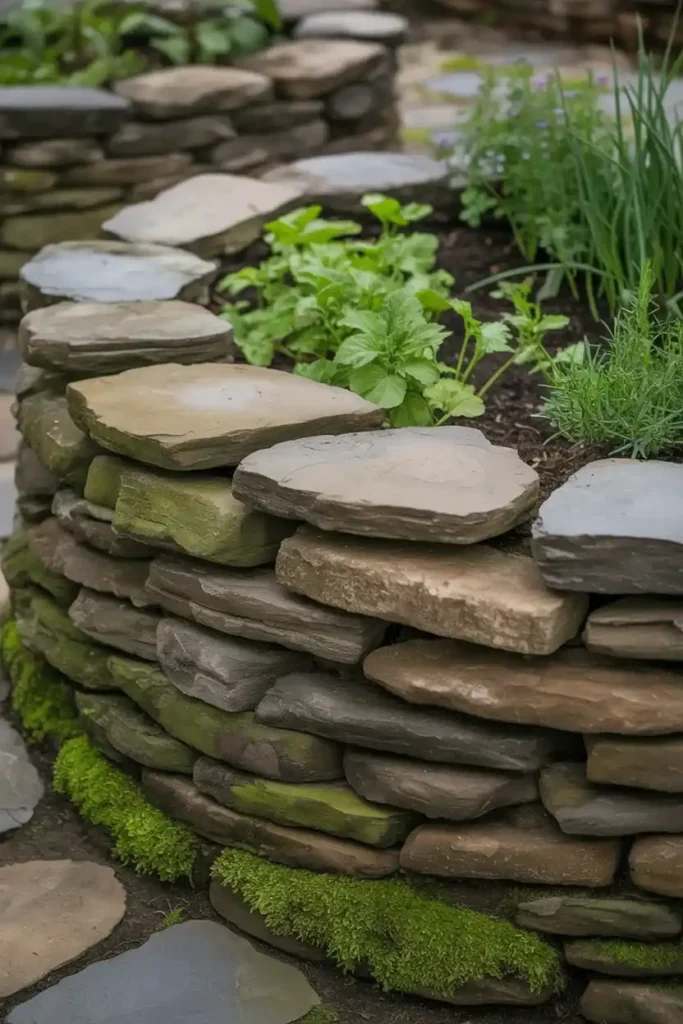
Natural stone creates the most beautiful and organic looking raised beds. You fit flat fieldstones together like a puzzle without using any mortar.
Gravity and friction hold the wall together if you stack them carefully. I love the way moss grows in the cracks over time.
It makes the garden look like it has been there for a hundred years. This option is labor intensive but the result is permanent and stunning.
13. The Herb Spiral
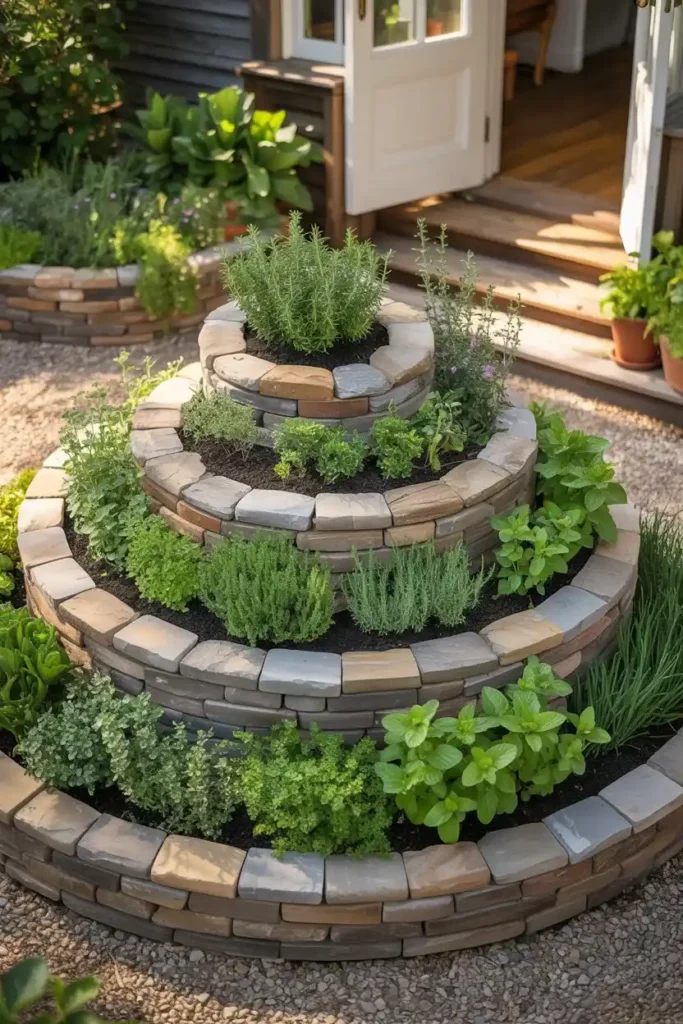
A herb spiral is a clever way to grow many different plants in a tiny footprint.
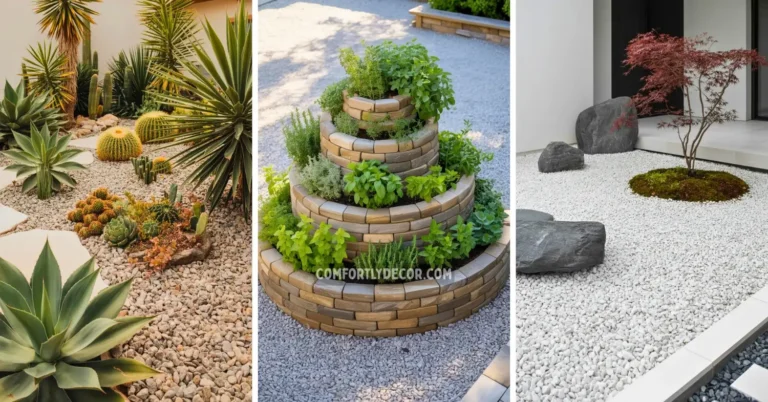
You build a spiral wall that rises up in the center like a snail shell. This shape creates different microclimates for your plants. The top is dry and sunny for rosemary while the bottom is moist and shady for mint.
I think every cook needs one of these right outside their kitchen door. It is a functional piece of art for your yard.
14. Fabric Grow Bags
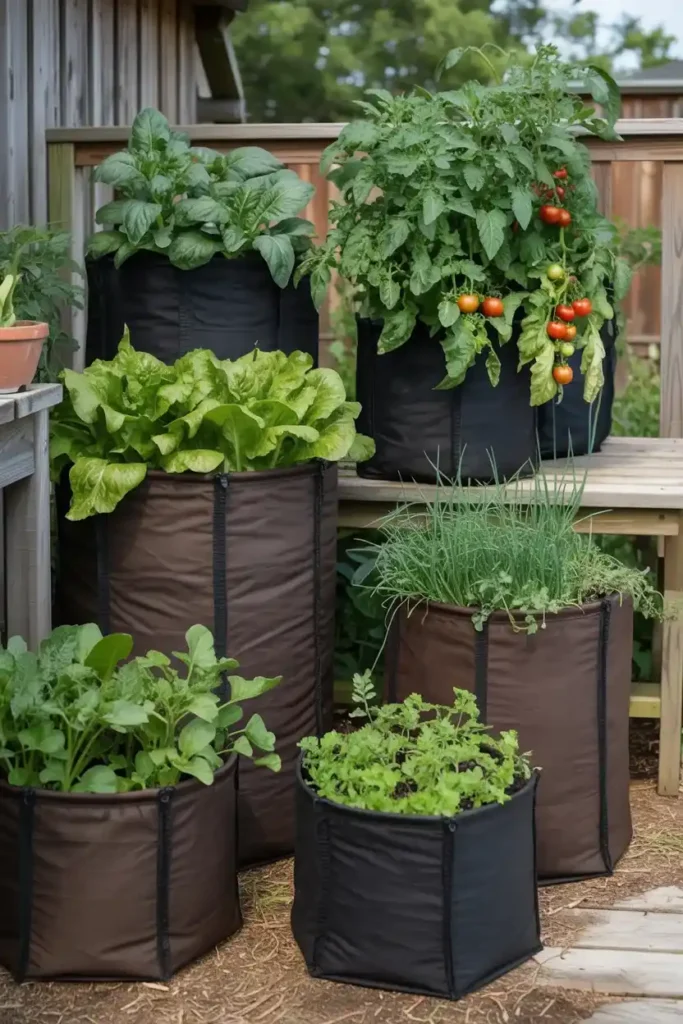
Grow bags are technically containers but they function exactly like raised beds. You can get large ones that hold a hundred gallons of soil.
The fabric material allows the soil to breathe which prevents root rot. When the season ends you can dump the soil out and fold the bag up for storage.
This is perfect if you are not ready to commit to a permanent wooden structure. They are also super affordable compared to lumber.
15. U Shaped Accessibility Bed
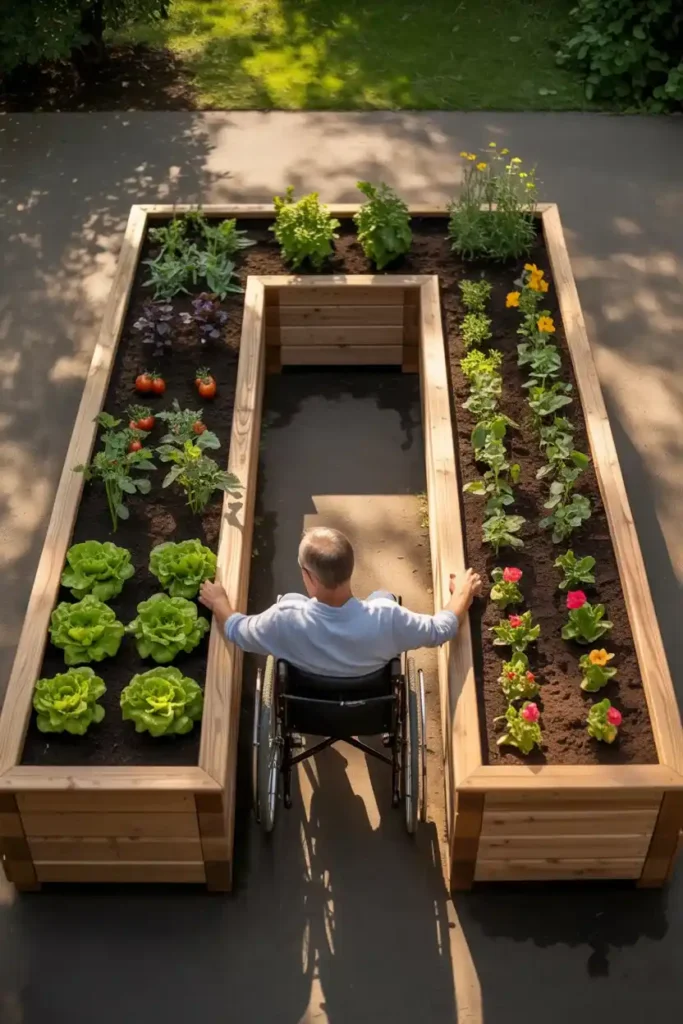
I believe gardening should be accessible to everyone regardless of mobility. A U shaped bed allows you to stand or sit in the middle and reach everything without stretching.
You can build it tall enough to accommodate a wheelchair user comfortably. This shape maximizes your growing space while minimizing the distance you have to reach.
It wraps around you and makes you feel immersed in the plants. IMO this is the most functional design for serious gardeners.
16. Wine Box Planters
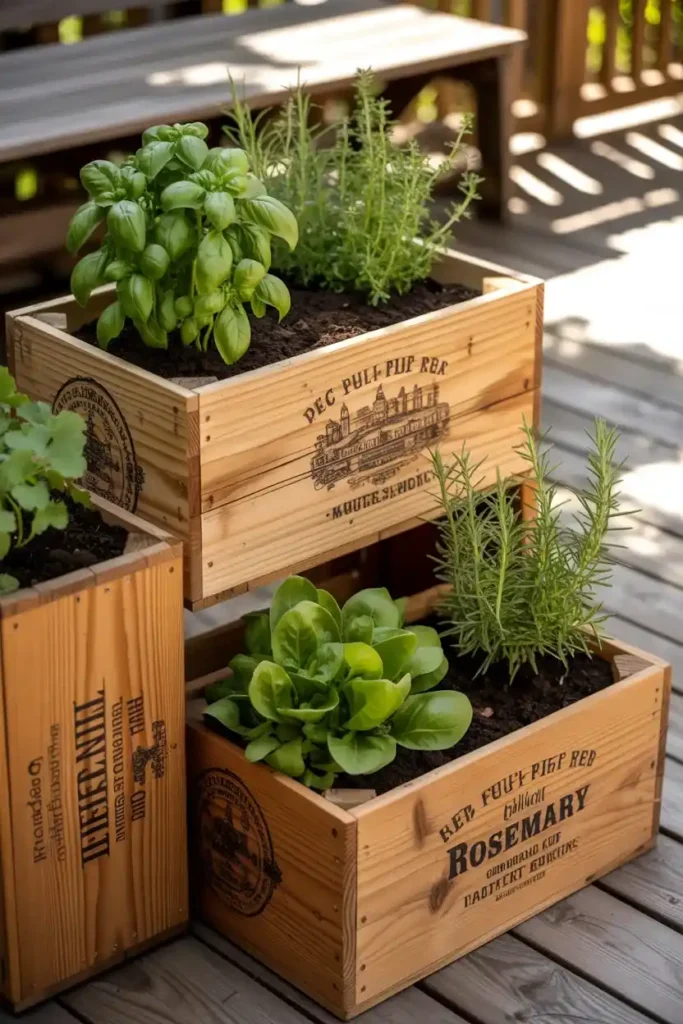
Wooden wine crates make adorable mini raised beds for small spaces. You can ask local liquor stores if they have any crates they plan to discard.
They are the perfect size for a salad garden or a few herbs. I like to group three or four of them together on a patio.
The wood is usually unfinished pine so you might want to seal it with linseed oil. They add a touch of rustic elegance to any deck.
17. Concrete Pavers
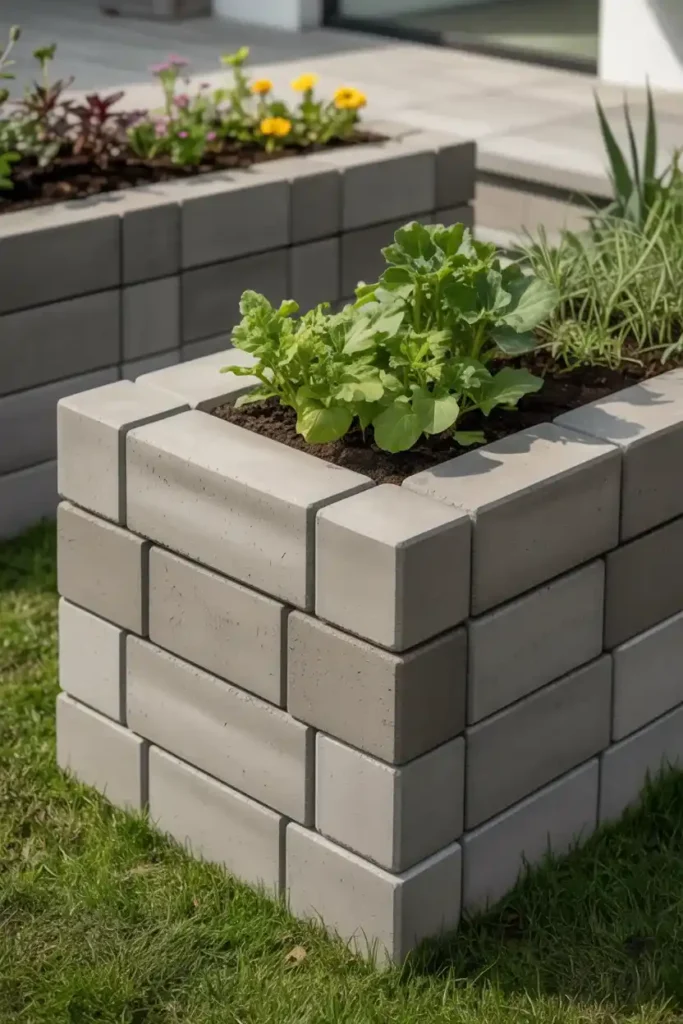
You can buy concrete pavers that are designed to slot together to form a raised bed. They look like giant toy blocks and require zero tools to assemble.
I love that they are completely rot proof and will last forever. You can make the bed as long or as high as you want by buying more blocks.
The neutral gray color looks very clean and modern. It is a foolproof way to get a professional look.
18. Old Dresser Garden
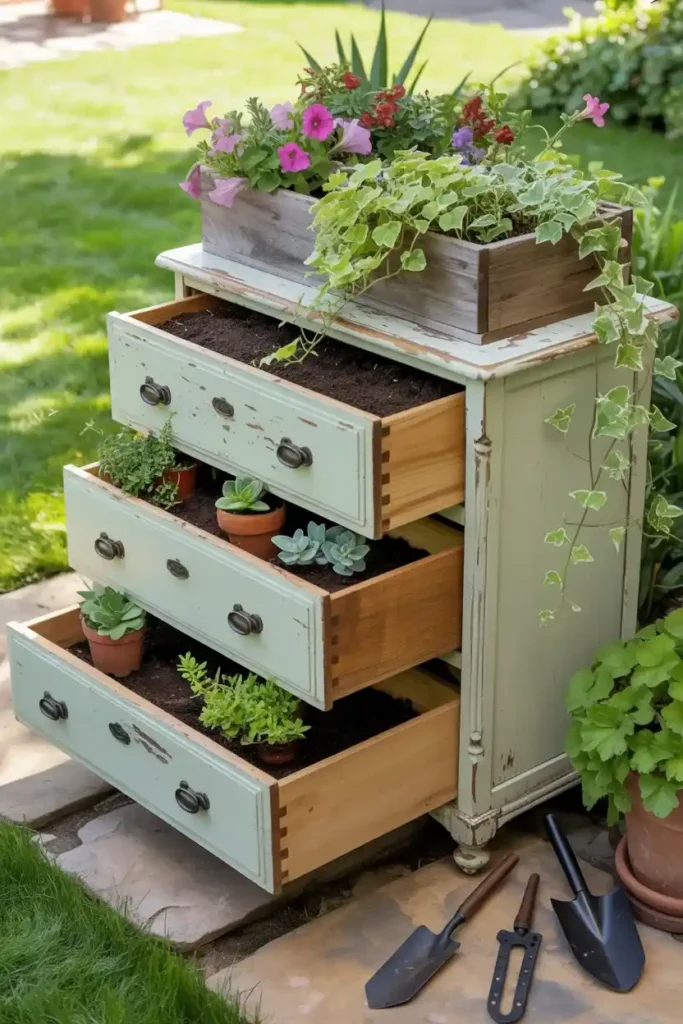
I love turning old furniture into something new and useful. You can take an old dresser and pull the drawers out in a tiered arrangement.
Fill the drawers with soil and plant cascading flowers or succulents. You must drill drainage holes in the bottom of each drawer first.
This adds so much character and whimsy to a garden space. It is a great conversation starter when friends come over for a barbecue.
How to Build the Perfect Bed
You have the ideas now so let us talk about how to execute them properly. Building a raised bed is not just about slapping some wood together.
You need to consider the dimensions and the soil health to get the best results. I want you to succeed on your first try.
Sizing and Safety
The size of your garden bed is more important than you might think. Here’s a quick guide to help you plan:
Key Tips for Building a Garden Bed:
- Width: Keep the width to 4 feet or less so you can reach the center from either side without stepping on the soil. Stepping on the soil compacts it and harms aeration, which plants need.
- Depth: Aim for 12 to 18 inches. While some plants can grow in shallower soil, deeper soil gives roots the space they need. Avoid going too deep to save on soil costs.
Safety Tips for Materials:
- Pressure-treated wood:
- Older pressure-treated wood (pre-2004) contains arsenic and should be avoided.
- New pressure-treated wood uses copper-based preservatives, which research shows leach only about an inch into the soil and don’t affect plants.
- If concerned, line your bed with plastic or use cedar wood for peace of mind.
By following these tips, you can build a safe, cost-effective, and plant-friendly garden bed!
The Ultimate Soil Mix
Do not just shovel dirt from your yard into your new bed. That defeats the purpose of building one. You need a mix that holds water but also drains well.
My go to recipe is simple:
- 50 percent Topsoil: This gives the mix structure and bulk.
- 50 percent Compost: This provides the nutrients and helps retain moisture.
Some experts recommend a mix of one third vermiculite one third peat moss and one third compost. That works great but can get expensive. I find that a half and half mix of quality topsoil and compost works wonders for most vegetables. Do not use potting soil as it is too light and will dry out way too fast in a large bed.
FAQs
Start Building Your Dream Garden Today
I hope these ideas have inspired you to grab a hammer or stack some blocks. Raised garden beds have completely changed the way I grow food and I know they will do the same for you.
You do not need a massive budget or expert carpentry skills to make this happen. Just pick the design that fits your style and get started this weekend. Your future self will thank you when you are harvesting fresh salad greens without a backache.

I am Mindy Medford, a home décor, paint, and design specialist with over a decade of hands-on experience transforming ordinary spaces into cozy, personality-packed havens. Since 2013, I have been helping homeowners discover the art of beautiful yet practical design. I share my love for color, texture, and layout—making stylish interiors & exteriors feel achievable for everyone. Whether it’s picking the perfect paint shade or reimagining a small space, I’m here to guide and inspire.