20 Pollinator Garden Ideas For A Pollinator Paradise
I admit that I used to look at my backyard and see nothing but a chore. I saw grass that I needed to mow and hedges that I had to trim. It was boring. Then I noticed a single bumble bee trying to find a flower in my sea of green turf. It looked exhausted. That little guy changed my entire perspective on what a garden should be. I realized that my yard was a food desert for the creatures that keep our world running.
I decided to transform my space into a sanctuary. I wanted color and life and a constant buzz of activity. I did not want a sterile lawn anymore. I wanted a pollinator garden. The best part is that I found it easier to maintain than a perfect lawn. I learned that nature wants to grow and I just needed to get out of the way. I want to share the best pollinator garden ideas I have discovered on my journey.
20 Pollinator Garden Ideas
1. Focus on Native Plants First
I always start with plants that actually belong in my region. I found that native plants are the absolute best choice for local bees and butterflies.
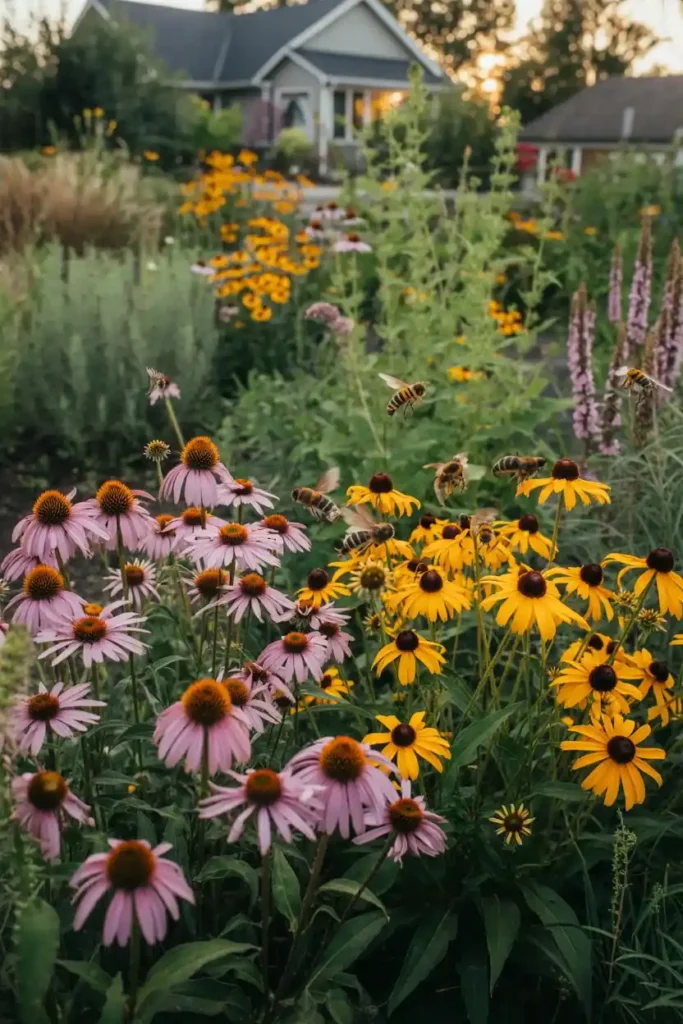
These plants evolved alongside the local pollinators for thousands of years. They know exactly what the local insects need. I notice that my native coneflowers and black eyed susans require almost no extra water once they are established.
I rarely have to baby them like I do with exotic roses. They are tough and resilient. I suggest looking up a native plant list for the specific region I live in to get started. It makes gardening so much simpler.
2. Plant in Large Drifts
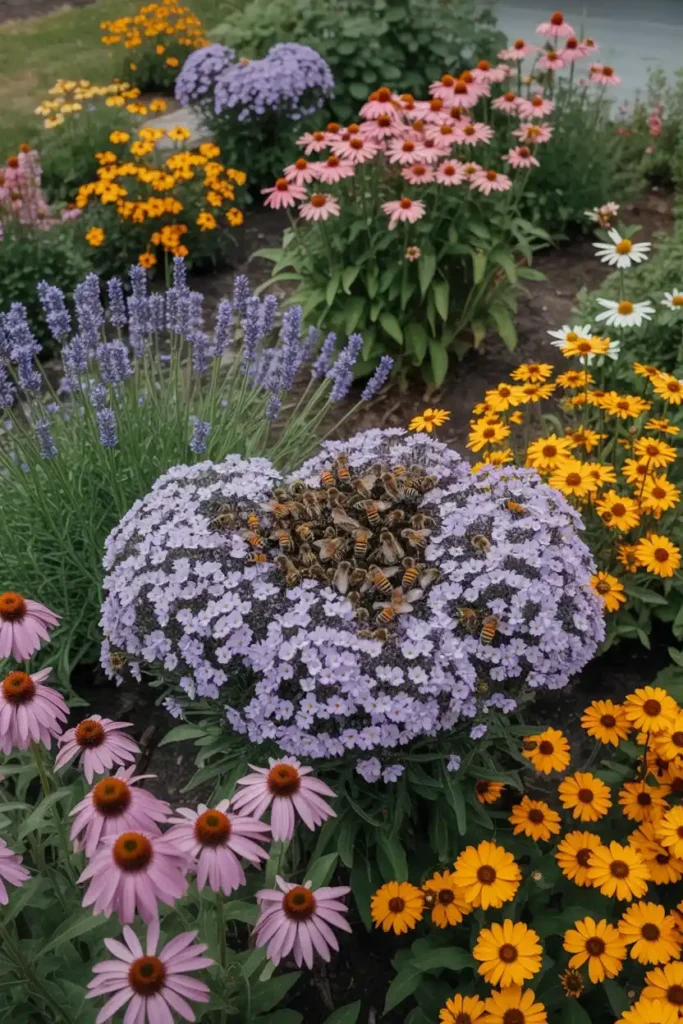
I used to scatter one flower here and another one there. I learned that this makes it hard for pollinators to find the food. Now I plant in drifts or clumps.
I group at least three or five of the same plant together. This creates a big target of color that bees can spot from far away. It is like putting up a giant neon sign that says free lunch here.
I think it looks better designed too. Big splashes of color make a stronger visual impact than a chaotic mix. I find that mass planting saves energy for the bees because they do not have to fly as far between flowers.
3. Ensure Continuous Blooms
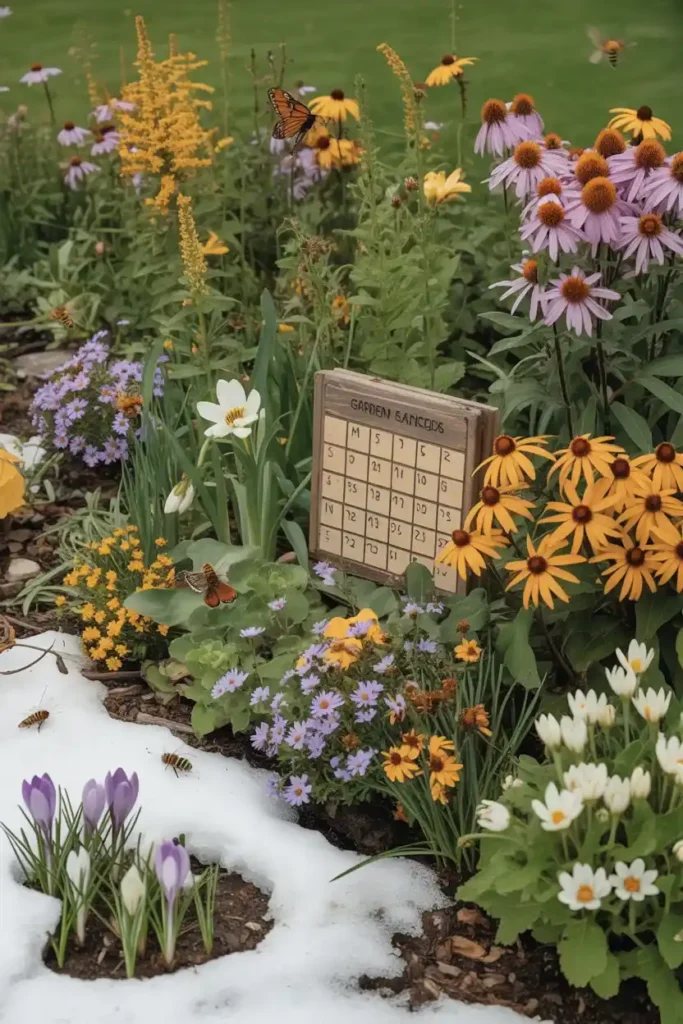
I made the mistake early on of having a garden that looked amazing in May but dead in August. I realized that pollinators need to eat all season long.
I now plan my garden to have something blooming from early spring until late fall. I plant bulbs like crocus for the first hungry queens in spring. I use asters and goldenrod for the monarchs migrating in autumn.
I create a calendar to track what is blooming when. I make sure there is never a gap in the buffet. Hunger does not take a vacation and neither should my garden.
4. Provide a Shallow Water Source
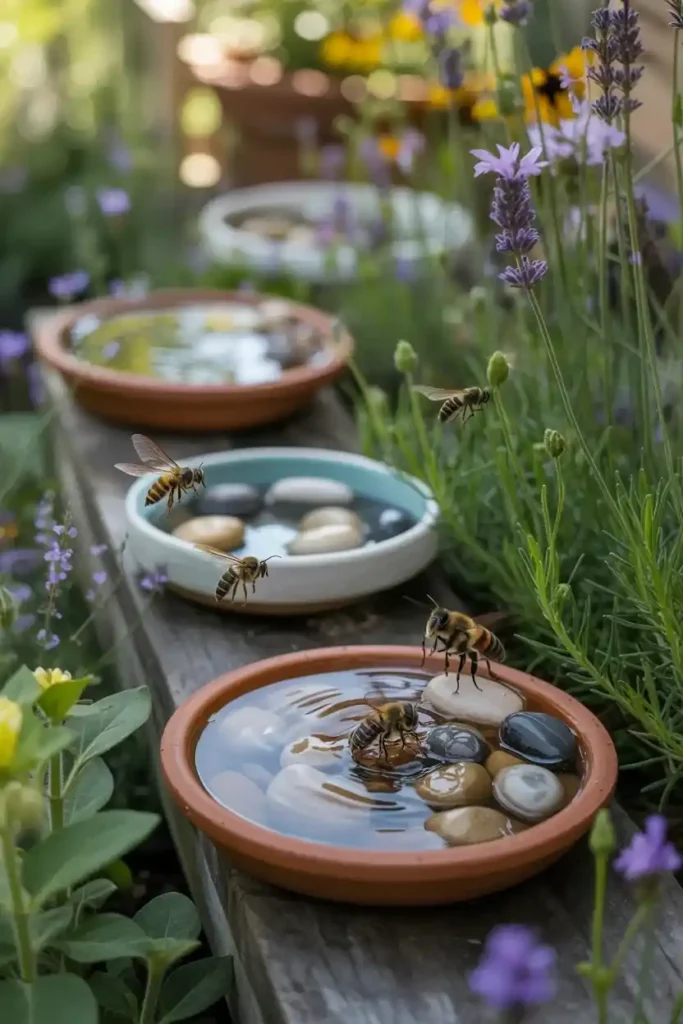
I learned that bees and butterflies get thirsty just like I do. They work hard in the hot sun. I added a few shallow water sources around my garden. I use simple shallow dishes filled with pebbles and water.
I add the pebbles so the insects have a place to land without drowning. I keep the water level low. I refill them often to keep the water fresh and stop mosquitoes from breeding.
I see wasps and bees stopping by for a drink constantly. It is a small addition that makes a huge difference in how welcome the garden feels to them.
5. Ditch the Pesticides
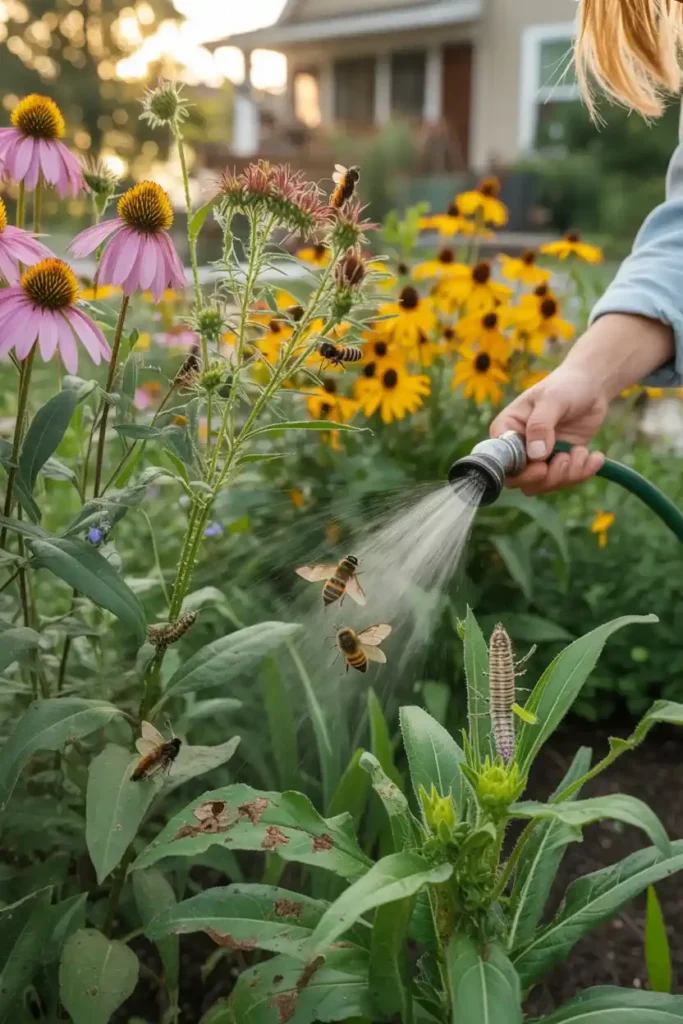
I absolutely refuse to use chemical pesticides in my pollinator garden. I know that spraying for bad bugs usually kills the good bugs too.
I accept that a few holes in leaves are a sign of a healthy ecosystem. I see caterpillars eating leaves and I know that means butterflies are coming. I use natural methods if I really have a pest problem.
I blast aphids off with a hose or I encourage ladybugs to come eat them. I decided that a perfect leaf is not worth killing the bees I am trying to save. I choose life over perfection every time.
6. Embrace the Mess with Leaf Litter
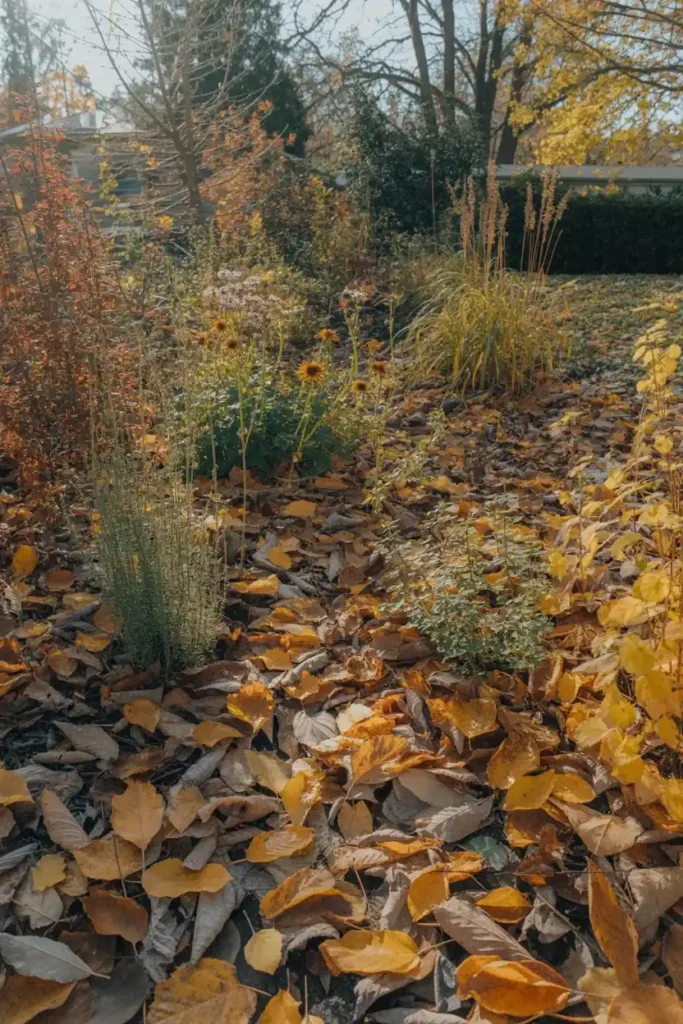
I used to rake every single leaf in the fall because I thought I had to be tidy. I learned that many moths and butterflies overwinter in that leaf litter. I was throwing away the next generation of pollinators.
Now I leave the leaves in my garden beds. I let them decompose naturally. This improves my soil and provides a winter blanket for insects. I realized that a sterile garden is a dead garden.
I find beauty in the natural cycle of decay and rebirth. I save myself hours of back breaking raking too. FYI this is the best lazy gardening hack I know.
7. Leave Some Bare Ground
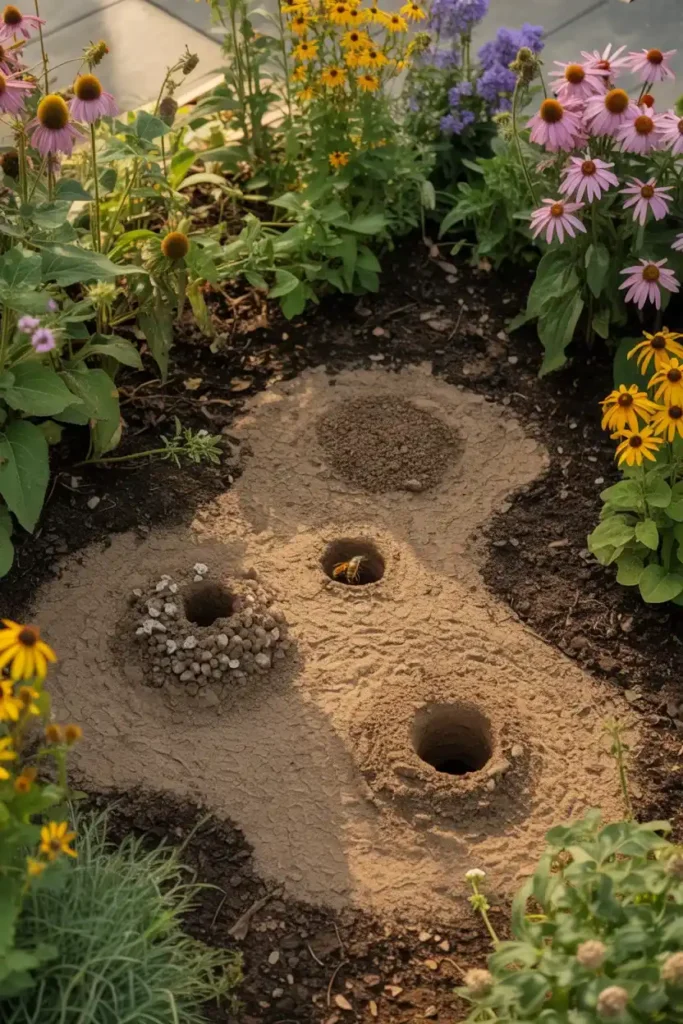
I was surprised to learn that seventy percent of native bees nest in the ground. I used to cover every inch of soil with thick wood mulch. I realized I was blocking their homes.
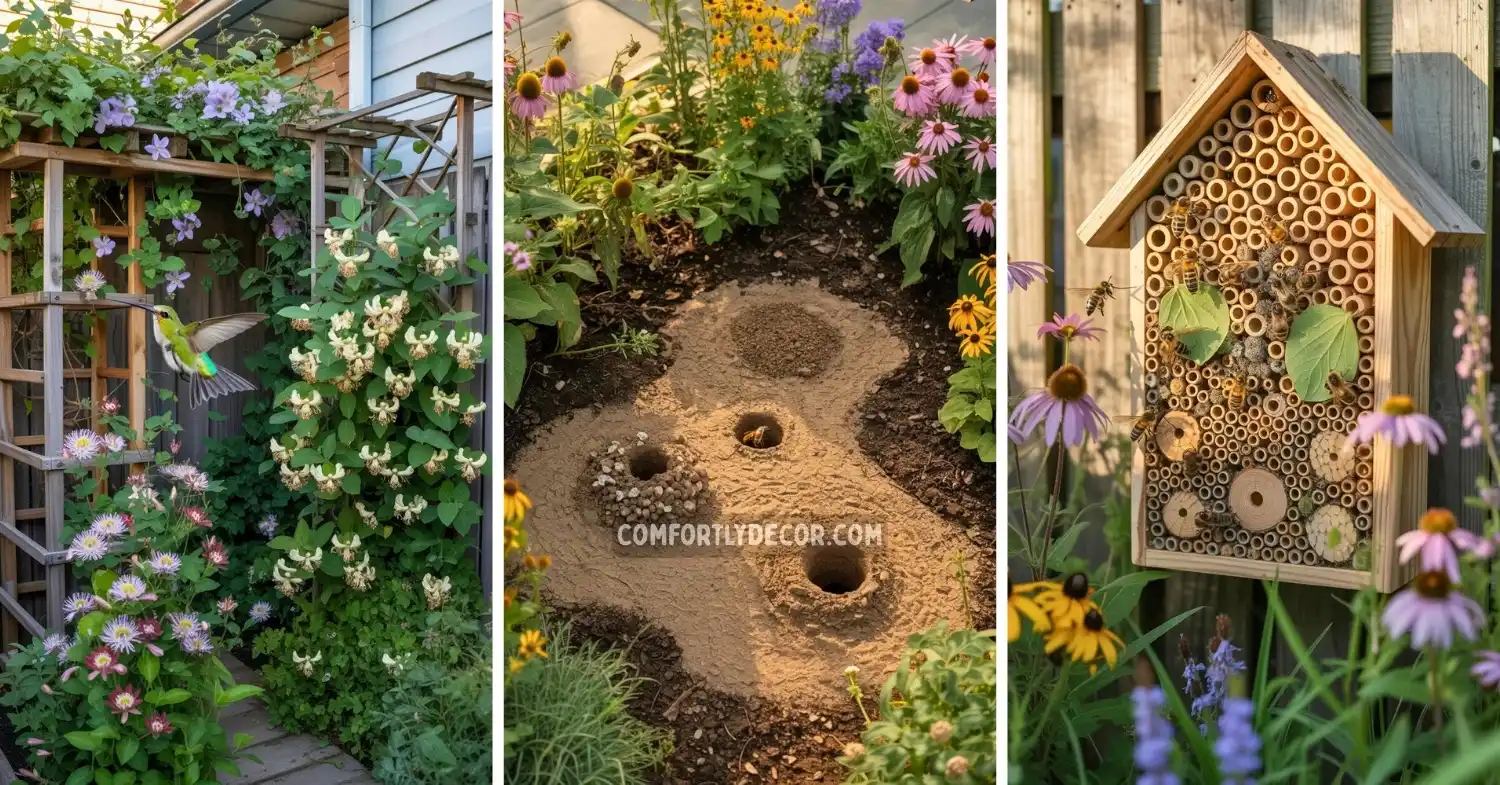
I now leave patches of bare soil in sunny spots. I do not till these areas. I just let the dirt sit there. I often see tiny holes appear where solitary bees have dug tunnels.
I avoid using landscape fabric because it acts like a barrier they cannot dig through. I think of it as leaving the front door unlocked for them.
8. Plant Larval Host Plants
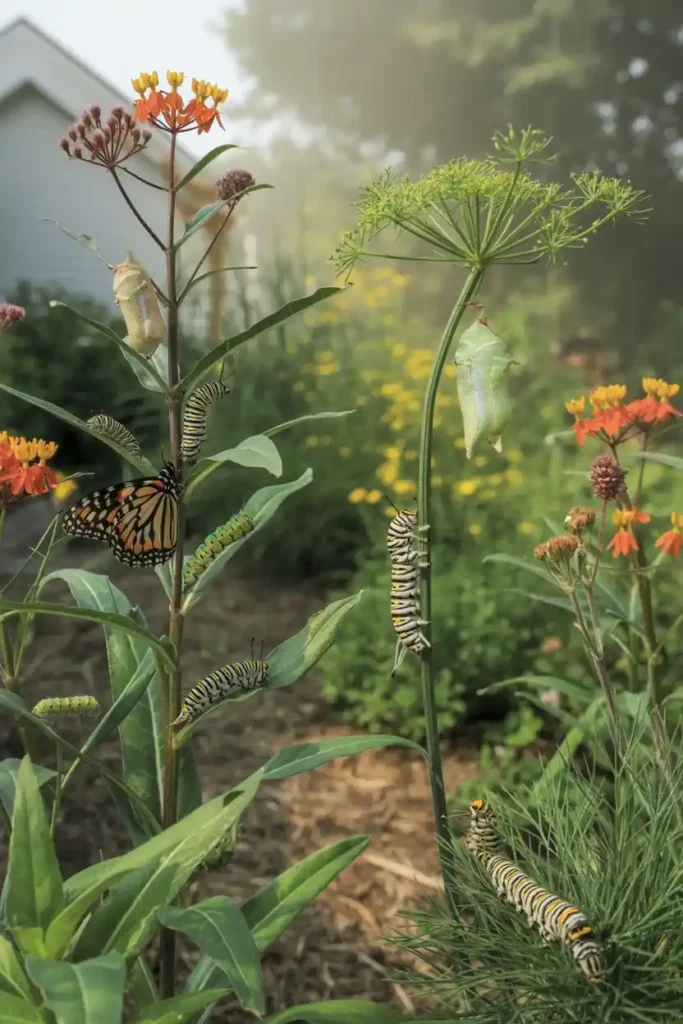
I learned that pollinators need more than just nectar. They need plants to lay their eggs on. I always include host plants for caterpillars.
I plant milkweed specifically for monarchs because I know their caterpillars only eat milkweed. I plant dill and parsley for swallowtail caterpillars. I enjoy watching the life cycle unfold right in front of me.
I see the eggs and then the caterpillars and finally the chrysalis. I consider my garden a nursery as much as a cafeteria. I accept that these plants will get eaten but that is the whole point.
9. Create a Night Garden
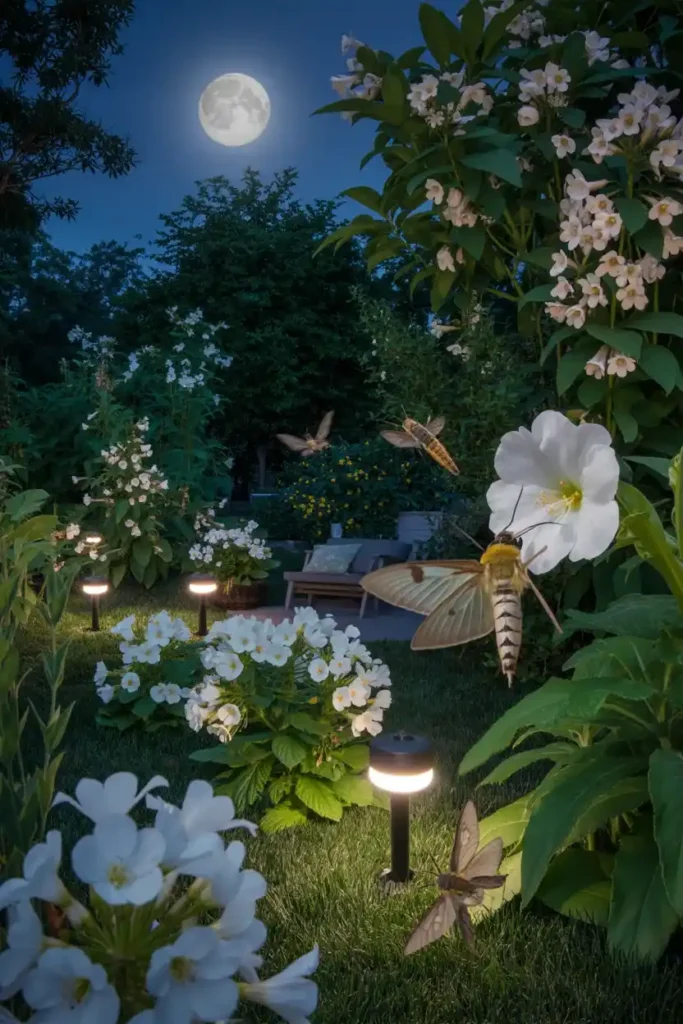
I try to remember the night shift workers too. Moths and bats are important pollinators that work after the sun goes down. I plant white or pale flowers that reflect moonlight.
I choose fragrant blooms like evening primrose and jasmine. These scents get stronger at night to attract nocturnal visitors. I love sitting outside in the evening and watching the hawk moths zip around. They look just like hummingbirds.
I think adding a night element makes the garden magical twenty four hours a day. I find it extends the time I can enjoy my space.
10. Build a Log Pile
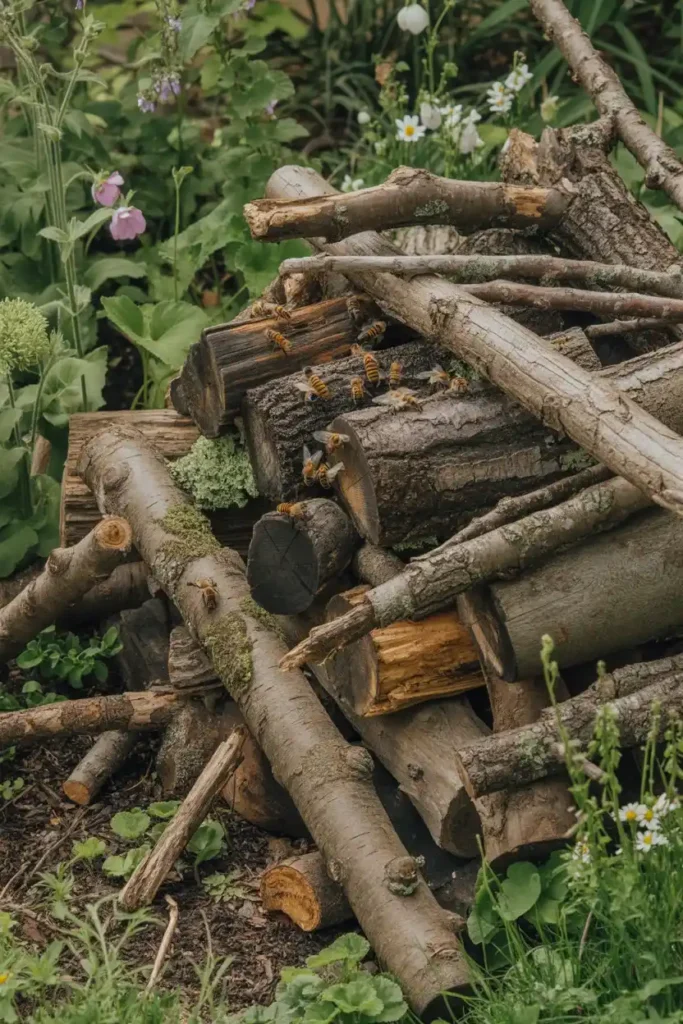
I used to clear away all dead wood. I know now that rotting wood is a luxury hotel for beetles and bees. I stack fallen branches and logs in a quiet corner of the yard. I let them rot down naturally.
I see so many creatures using these piles for shelter. I find it adds a nice rustic look to the garden too. I think of it as recycling nature back into nature.
I avoid treating this wood with any chemicals. I just let nature do the work. It is free habitat that requires zero effort from me.
11. Grow an Herb Spiral
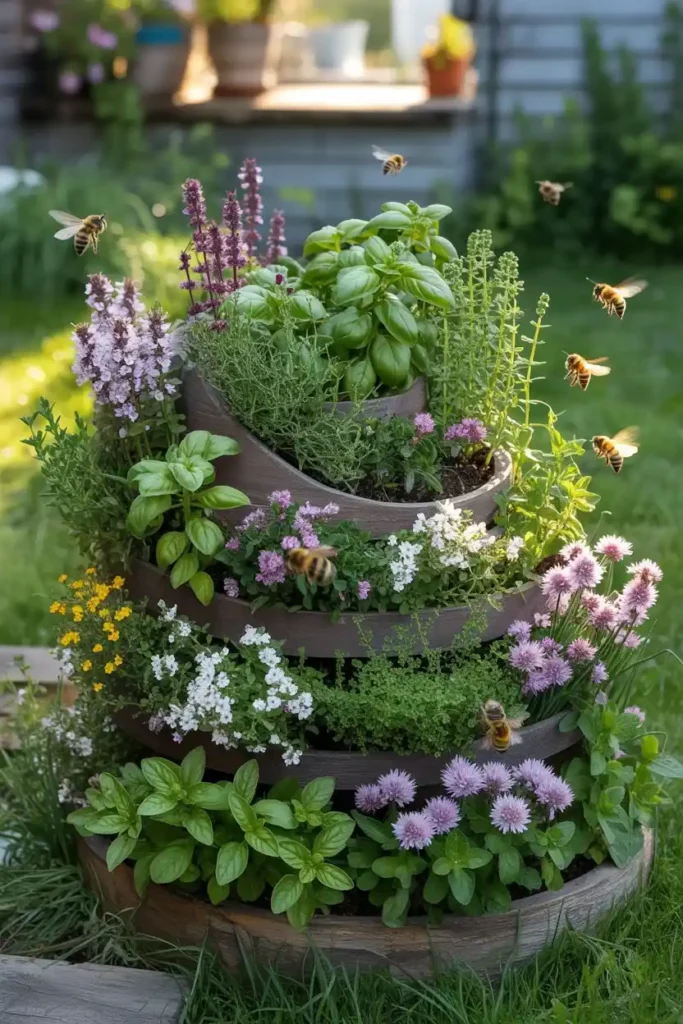
I love cooking with fresh herbs but I love letting them flower even more. I let my basil and oregano and mint go to bloom.
I notice that bees go absolutely crazy for herb flowers. They seem to love the tiny nutrient rich blossoms. I plant these herbs in a spiral or a dedicated bed. I can harvest some for my kitchen and leave the rest for the bees.
I find that chive flowers are particularly popular in early summer. I get tasty food and the bees get tasty food. It is a win win situation IMO.
12. Reduce the Lawn Size
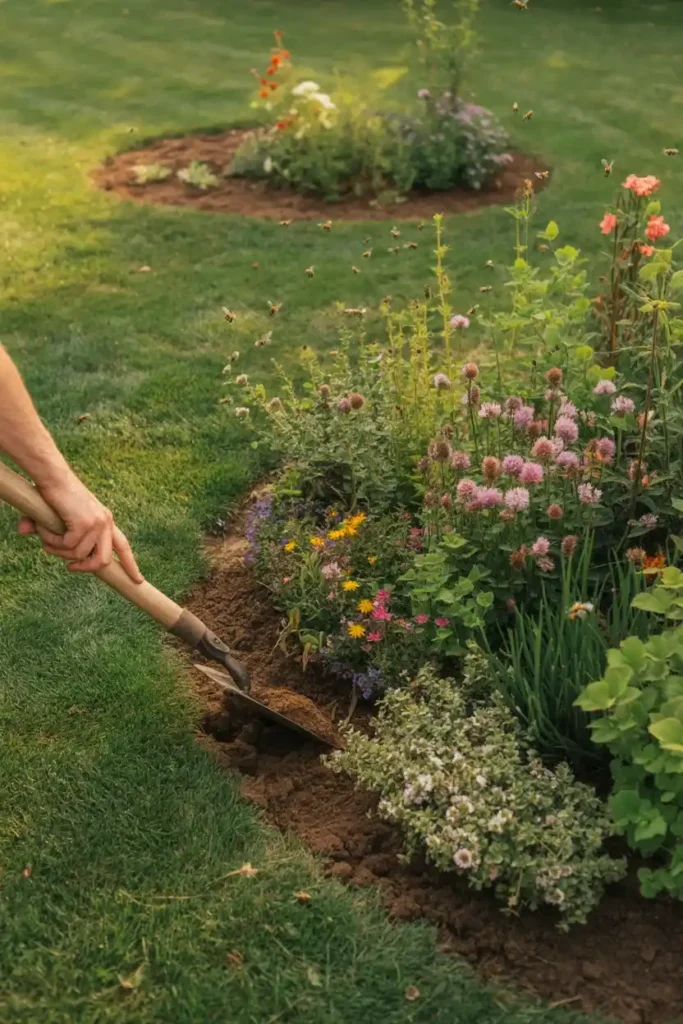
I look at my lawn and see a wasted opportunity. I am slowly shrinking the amount of turf grass I have. I dig up edges of the lawn to make the flower beds wider.
I replace patches of grass with ground cover like clover or creeping thyme. I find that clover adds nitrogen to the soil and provides flowers for bees.
I mow less often now. I save gas and time. I think expansive lawns are overrated anyway. I prefer the look of a lush and diverse garden over a flat green carpet.
13. Incorporate Vertical Gardening
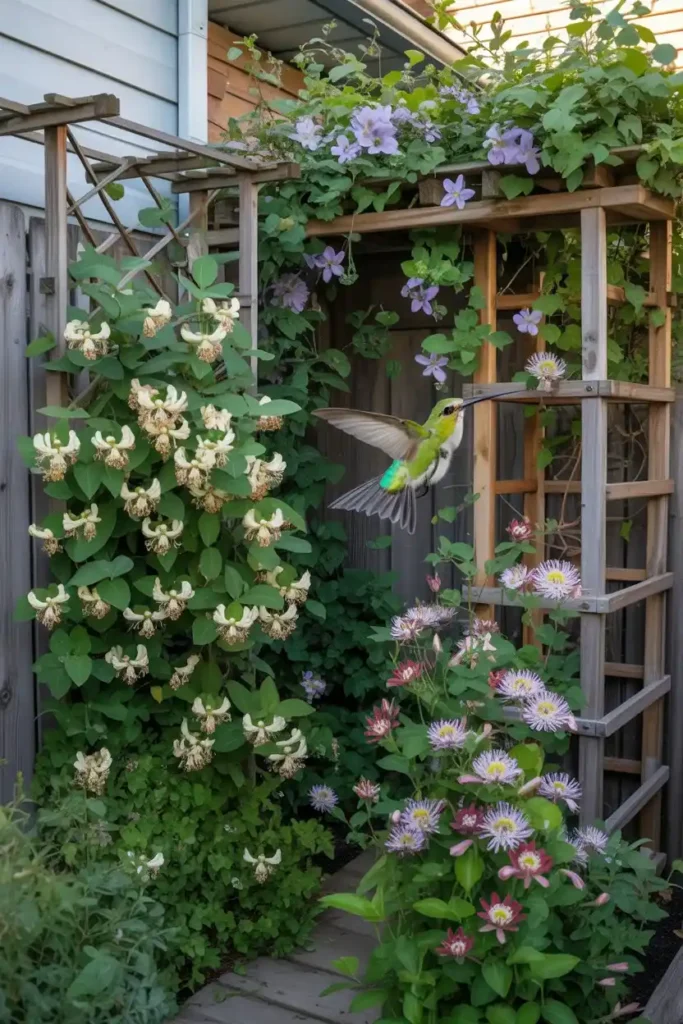
I do not have infinite space so I grow up. I use trellises and arbors to grow flowering vines. I plant native honeysuckle and clematis.
I find that vertical gardening adds so much surface area for blooms. It creates a wall of flowers that hummingbirds love. I use fences to support passion flower vines.
I think it makes the garden feel cozy and enclosed. I notice that vines often provide great hiding spots for birds and insects too. I maximize every square inch I have for pollinator habitat.
14. Add Flat Basking Stones
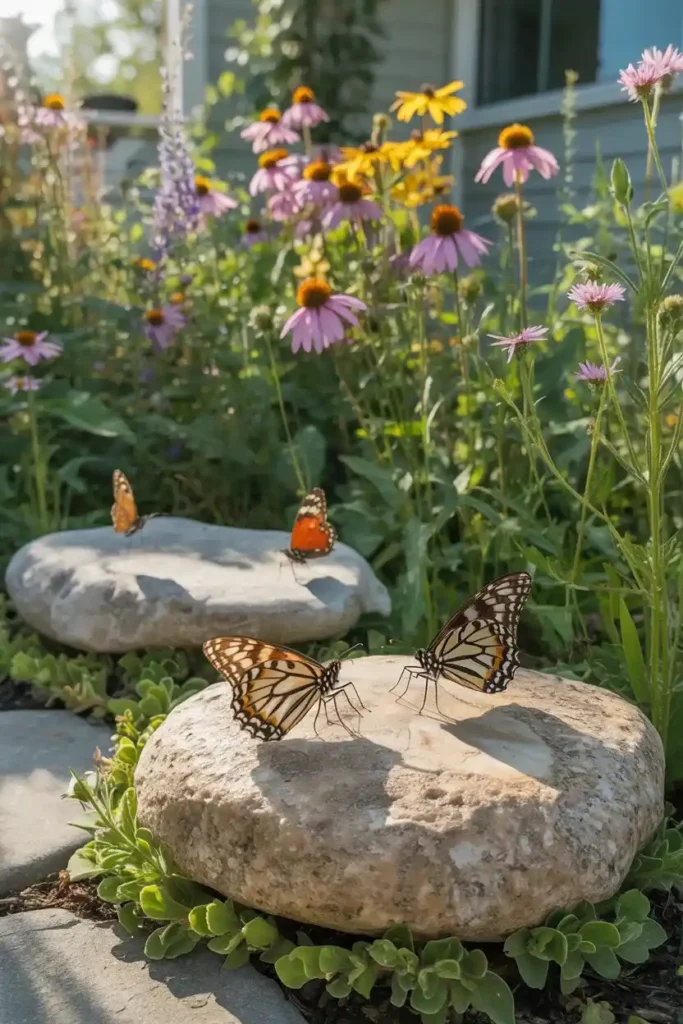
I noticed that butterflies are cold blooded and need to warm up in the sun. I place large flat rocks in the sunniest parts of my garden.
I see butterflies landing on them in the morning to spread their wings. The stones absorb heat and radiate it back out. I think of these as little spa stations for insects.
I try to keep vegetation low around these rocks so the sun hits them directly. I find it is a great spot to take photos of butterflies because they stay still while they are basking.
15. Avoid Complex Hybrids
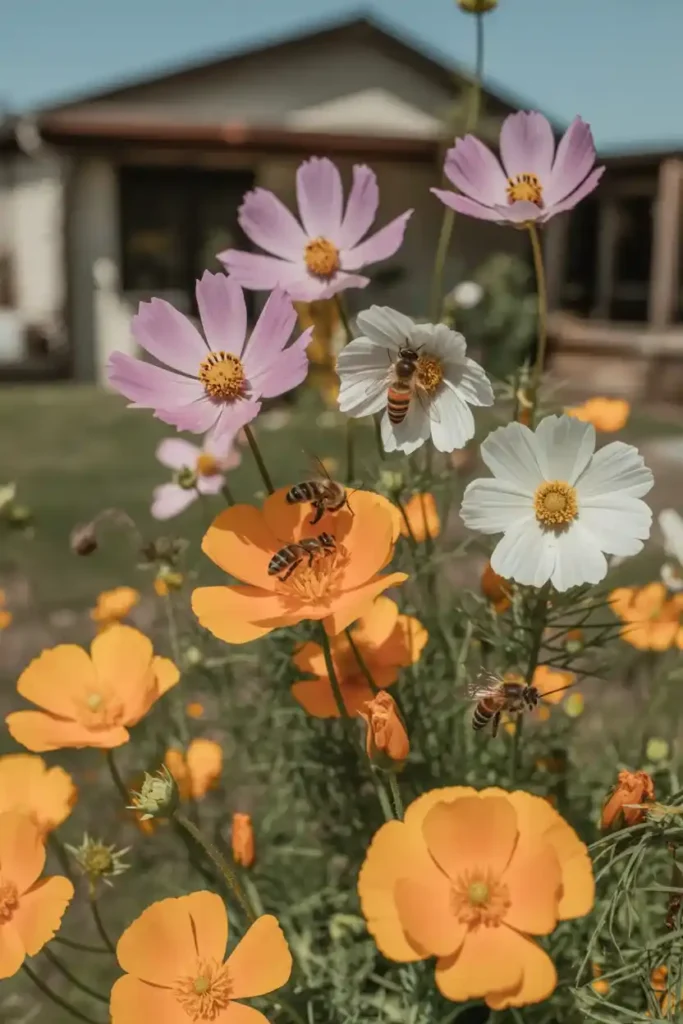
I learned that fancy double bloomed flowers often have no nectar. The breeding process that creates extra petals often removes the reproductive parts of the flower.
I stick to single bloomed varieties that look like the original wild plants. I want the bees to be able to reach the pollen easily. I avoid those pompous roses that are all tight petals.
I prefer open faced flowers like cosmos and poppies. I think simple is beautiful. I want my flowers to be functional food sources not just pretty decorations.
16. Install a Bee Hotel
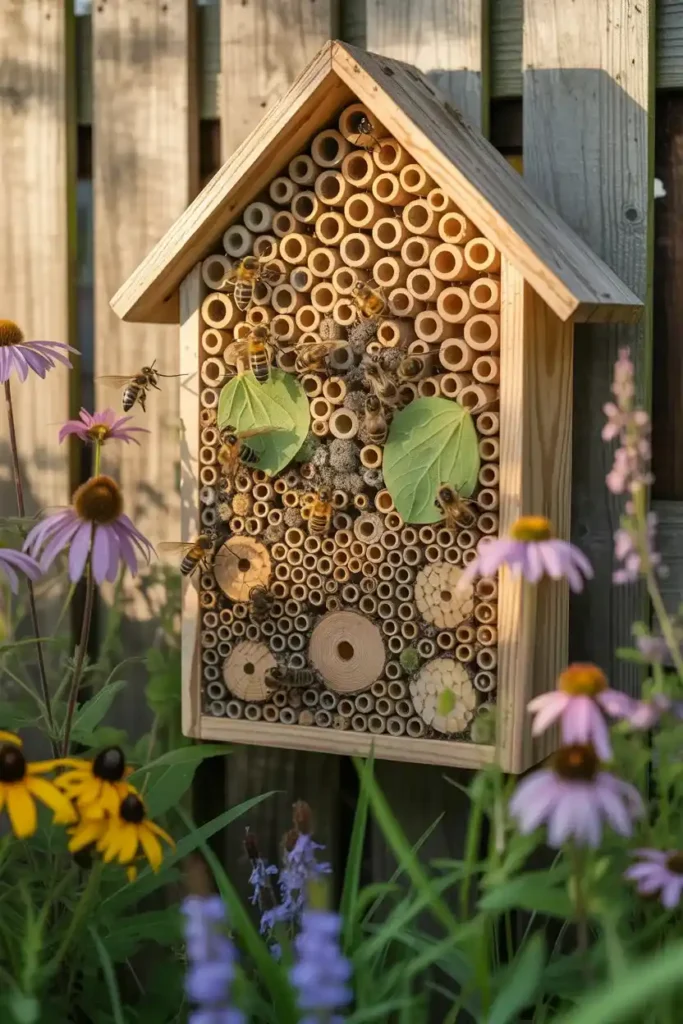
I bought a small bee hotel for the solitary cavity nesting bees. I placed it on a south facing fence. I learned that mason bees and leafcutter bees need these little holes to lay their eggs.
I make sure to clean it out every year or replace the tubes to prevent disease. I avoid the massive hotels that invite pests. I prefer smaller and scattered nesting sites.
I find it fascinating to watch the bees seal up the holes with mud or leaves. It lets me know that the next generation is safe inside.
17. Plant Trees and Shrubs
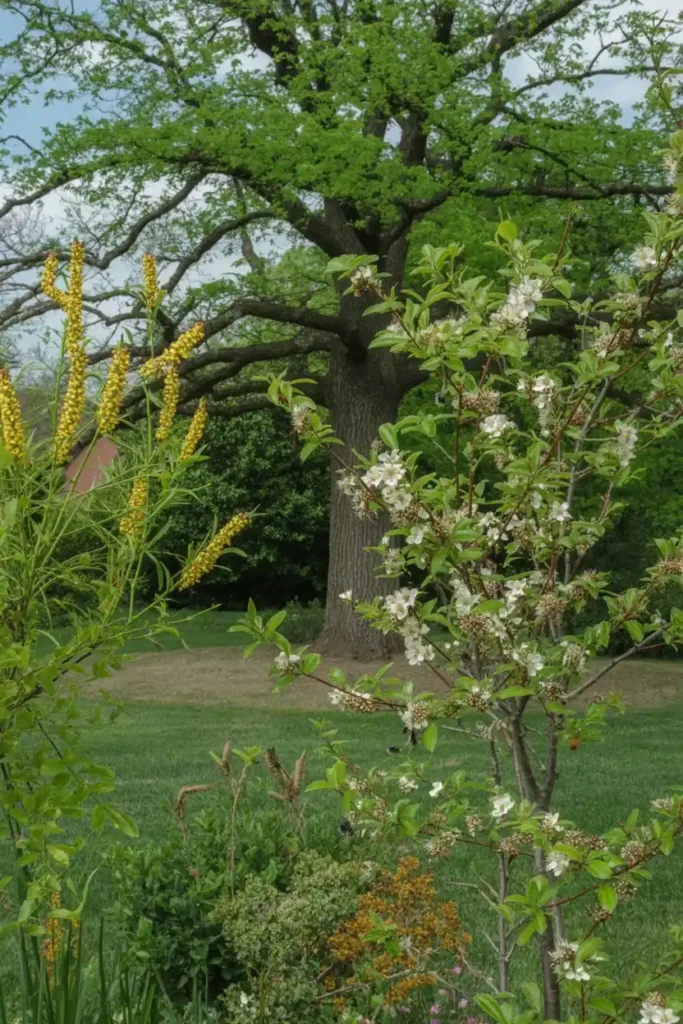
I used to think pollinator gardens were just about flowers. I learned that trees are meadows in the sky. I planted a serviceberry and a willow.
I know that early spring blooming trees provide massive amounts of pollen when little else is awake. I see my maple tree buzzing with life in March.
I consider trees the backbone of my garden. They provide shelter from the wind and rain too. I think everyone forgets that a single oak tree supports hundreds of species of caterpillars. I value the vertical layer they add.
18. Keep Dead Stems Standing
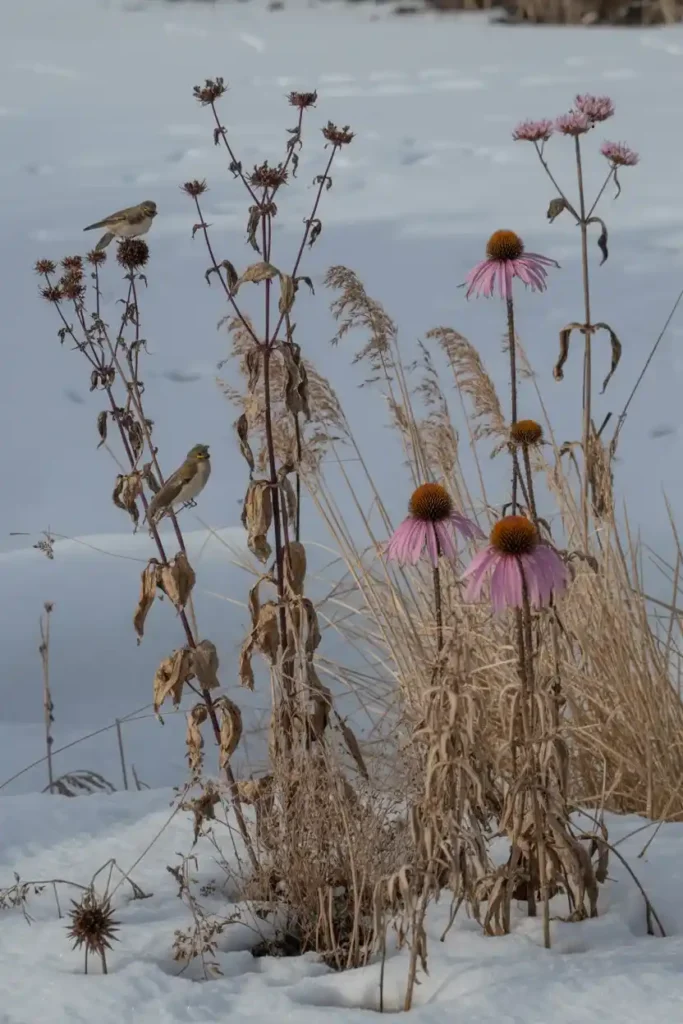
I resist the urge to cut everything down in winter. I leave the dried stalks of my perennials standing until late spring.
I learned that tiny bees nest inside the hollow stems of plants like bee balm and coneflower. I wait until temperatures are consistently warm before I do any cleanup.
I see birds eating the seeds from the dried flower heads all winter. I find the winter silhouette of grasses and pods beautiful against the snow. I know that cutting them down too early kills the residents inside.
19. Tolerate Some Weeds
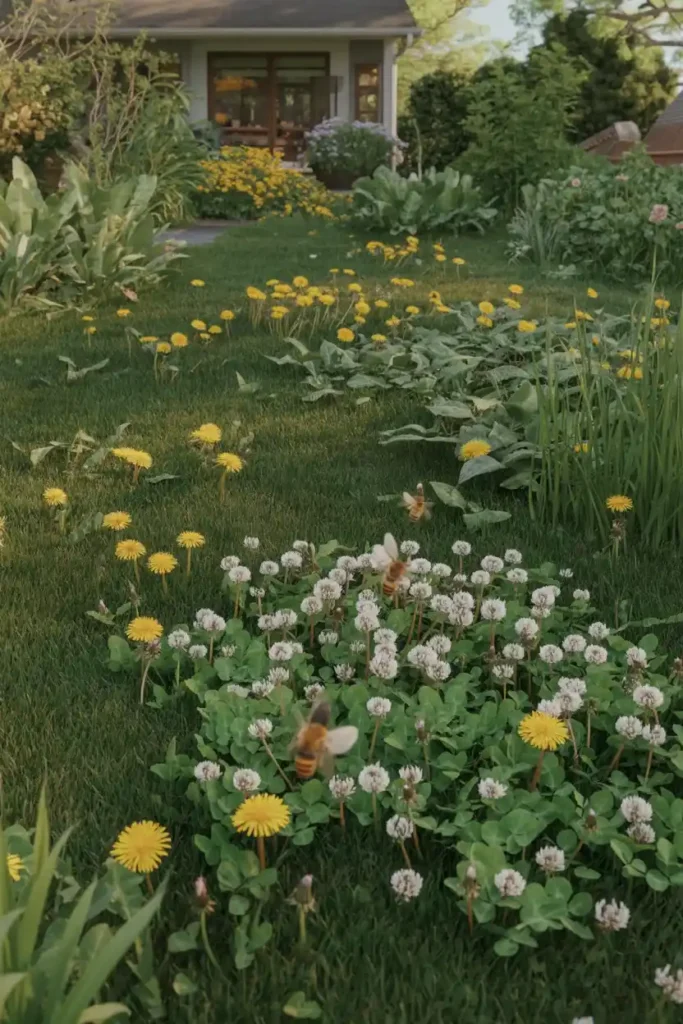
I made peace with dandelions and clover. I know they are often the first food available in spring. I do not spray them or dig them all out.
I let them bloom in the lawn. I think a pristine weed free lawn is unnatural. I see dandelions as little drops of sunshine that feed the bees.
I focus on removing invasive species that destroy the ecosystem but I let the harmless native weeds stay. I adopted a more relaxed attitude toward gardening. I stress less and the bees eat more.
20. Mix Edibles and Ornamentals
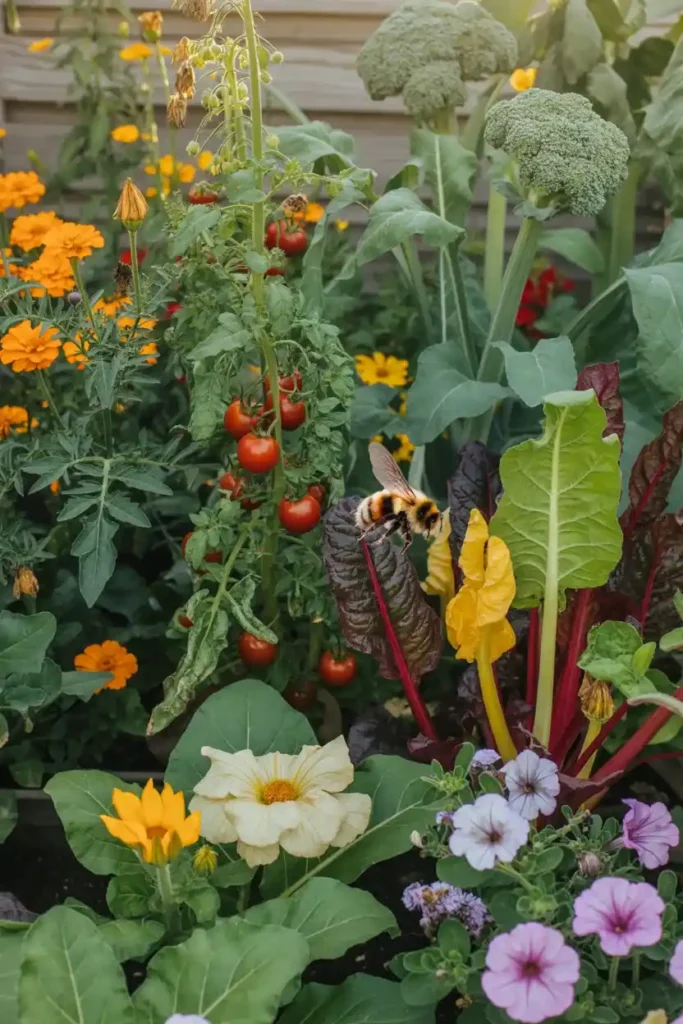
I do not separate my vegetable garden from my flower garden anymore. I mix them all together. I plant marigolds next to my tomatoes. I let my broccoli flower if I miss the harvest.
I find that attracting pollinators to my flowers helps my vegetables set more fruit. I see bumble bees visiting the squash blossoms and then moving to the zinnias.
I think it creates a healthier and more diverse ecosystem. I love the look of swiss chard growing next to petunias. I garden for both beauty and my belly.
A Guide to Building Your Haven
How I Put These Ideas into Practice
Success in gardening comes down to two key factors: preparation and patience. Here’s how I approach it step by step:
1. Assessing the Site
Before planting, I always take time to understand my garden’s conditions:
- Observe where the sun falls throughout the day.
- Check the soil type (sandy, clay-like, etc.).
- Match plants to the conditions—shade-loving plants in shade, sun-loving in sun.
- Work with nature, not against it.
2. Preparing the Soil
I prepare the soil gently to maintain its structure:
- Use cardboard and compost to suppress grass instead of tilling.
- Avoid disrupting soil structure unnecessarily.
- Dig planting holes just big enough for the root ball.
- Water deeply immediately after planting to help plants establish.
3. Maintaining the Garden
I take a light-handed approach to maintenance:
- Water only during droughts once plants are established.
- Weed by hand to protect ground-nesting creatures.
- Observe constantly—note which plants attract bees and plant more of them.
- Accept that some plants will fail, and experiment with new ones.
Gardening as an Experiment
For me, gardening is not about perfection—it’s an ongoing experiment. By working with nature and staying observant, I create a space that thrives naturally while learning and growing along the way.
FAQs
Final Thoughts on Garden Life
I hope these ideas inspire a change in how I view my outdoor space. I know that transforming my yard was one of the most rewarding things I ever did. I see life returning to my little patch of earth every day.
I feel a connection to the wild world that I never had before. I encourage everyone to plant just one native flower and watch what happens. I bet the results will amaze anyone who tries it.

I am Mindy Medford, a home décor, paint, and design specialist with over a decade of hands-on experience transforming ordinary spaces into cozy, personality-packed havens. Since 2013, I have been helping homeowners discover the art of beautiful yet practical design. I share my love for color, texture, and layout—making stylish interiors & exteriors feel achievable for everyone. Whether it’s picking the perfect paint shade or reimagining a small space, I’m here to guide and inspire.