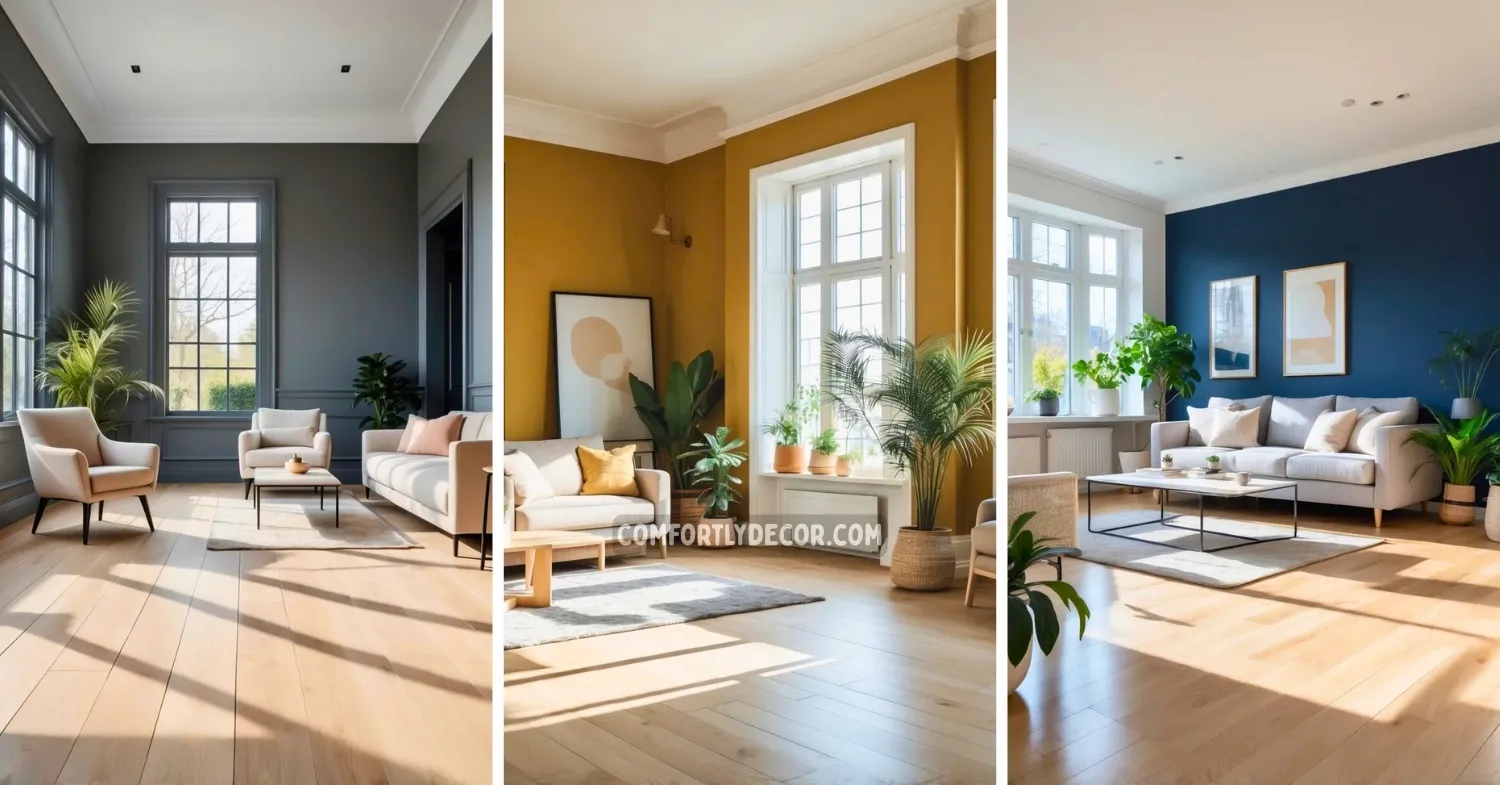
15 Paint Colors For Light Wood Floors That Elevate Any Space
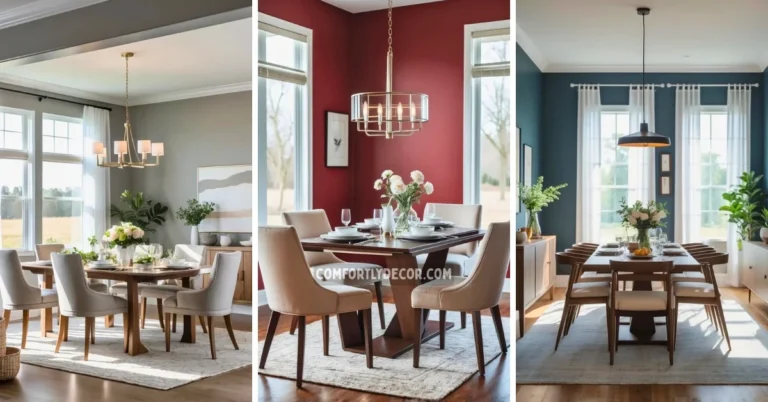
Choosing the right paint colors to complement light wood floors can shape the overall feel of any room. Light wood adds warmth and a natural aesthetic, so pairing it with appropriate wall colors is key to creating a balanced and inviting space. The right paint colors enhance the beauty of light wood floors while setting the desired mood for the room.
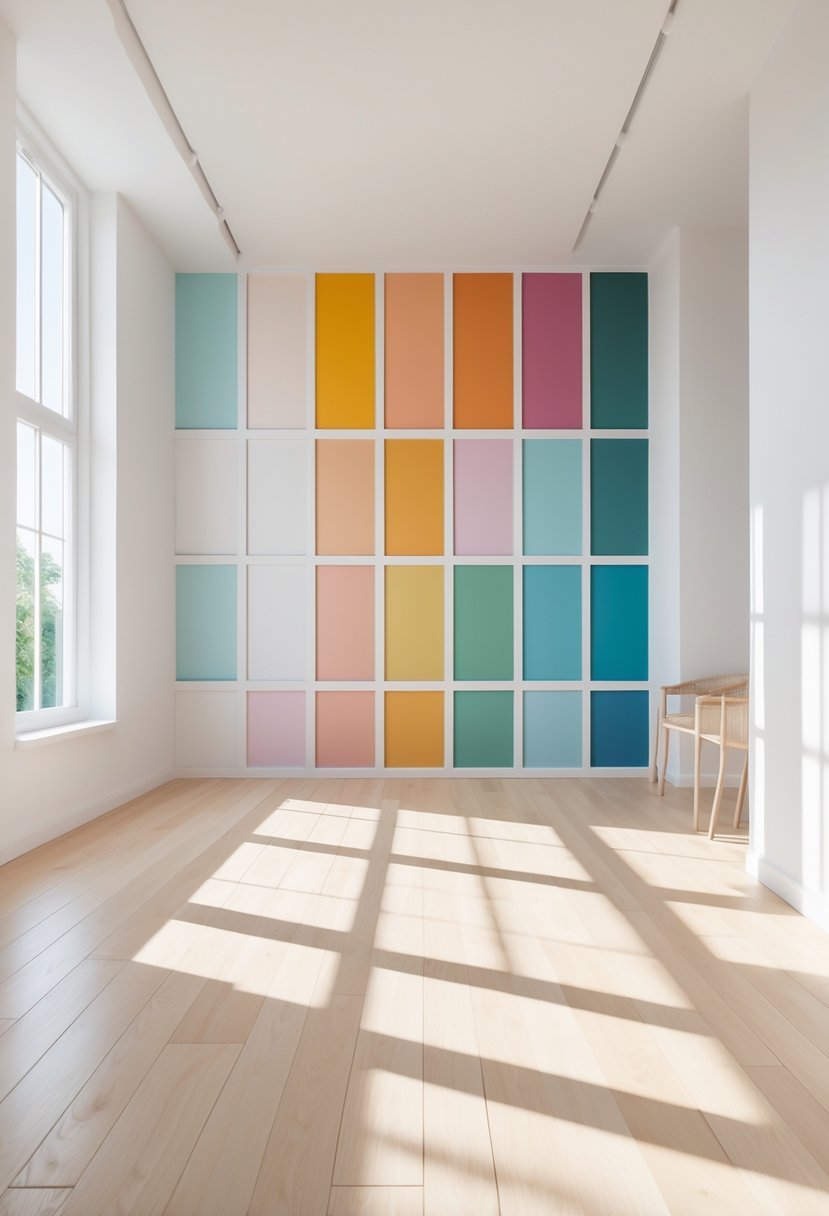
I have learned that selecting colors involves considering undertones and the atmosphere you want to achieve. Whether you prefer calming neutrals or subtle pops of color, having a clear idea of the best options makes the design process smoother and more effective.
15 Paint Colors for Light Wood Floors
1. Warm White
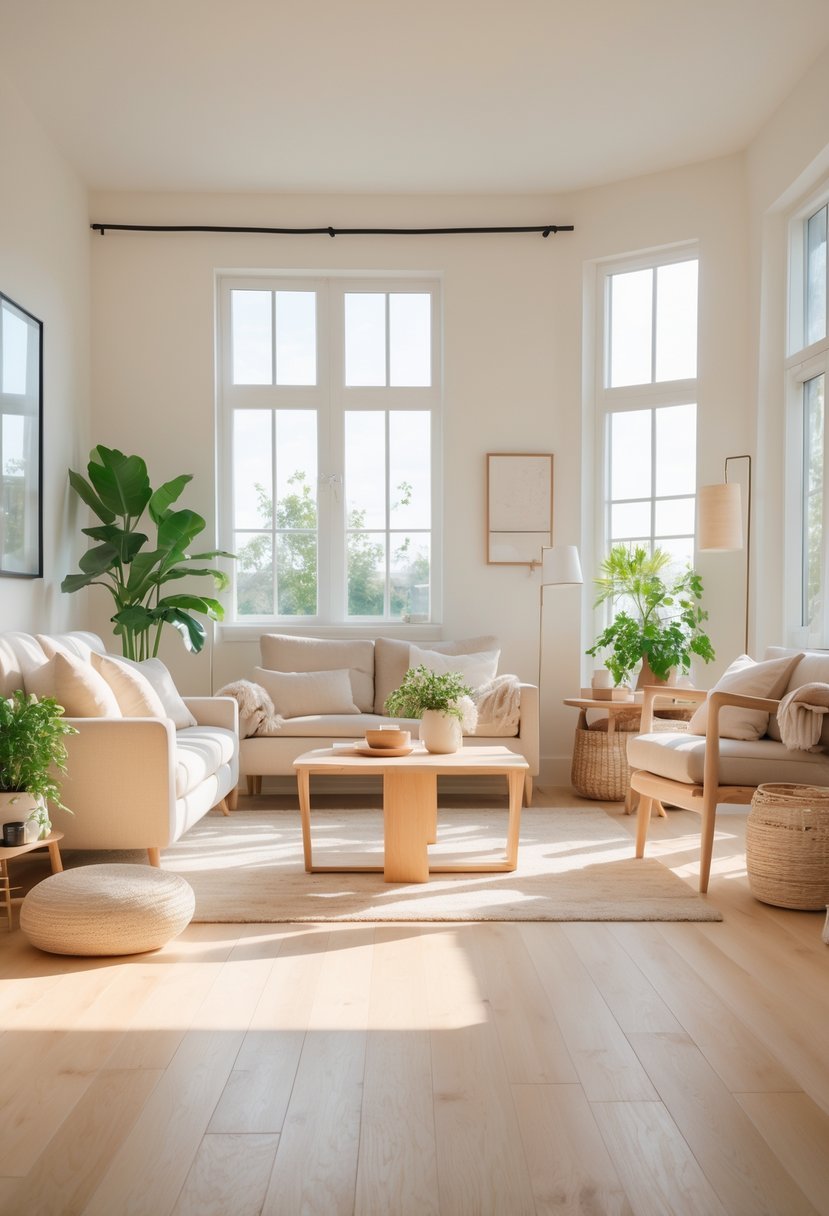
I find warm white to be an excellent choice for light wood floors. It adds softness and brightness without feeling stark or cold.
Warm white paints often have subtle undertones that bring a gentle glow to the room. This balance creates an inviting atmosphere while keeping the space versatile.
Choosing the right warm white can enhance the natural warmth of light wood floors, helping the room feel cozy yet fresh. It’s a color I often recommend for maintaining a clean, timeless look.
2. Light Gray
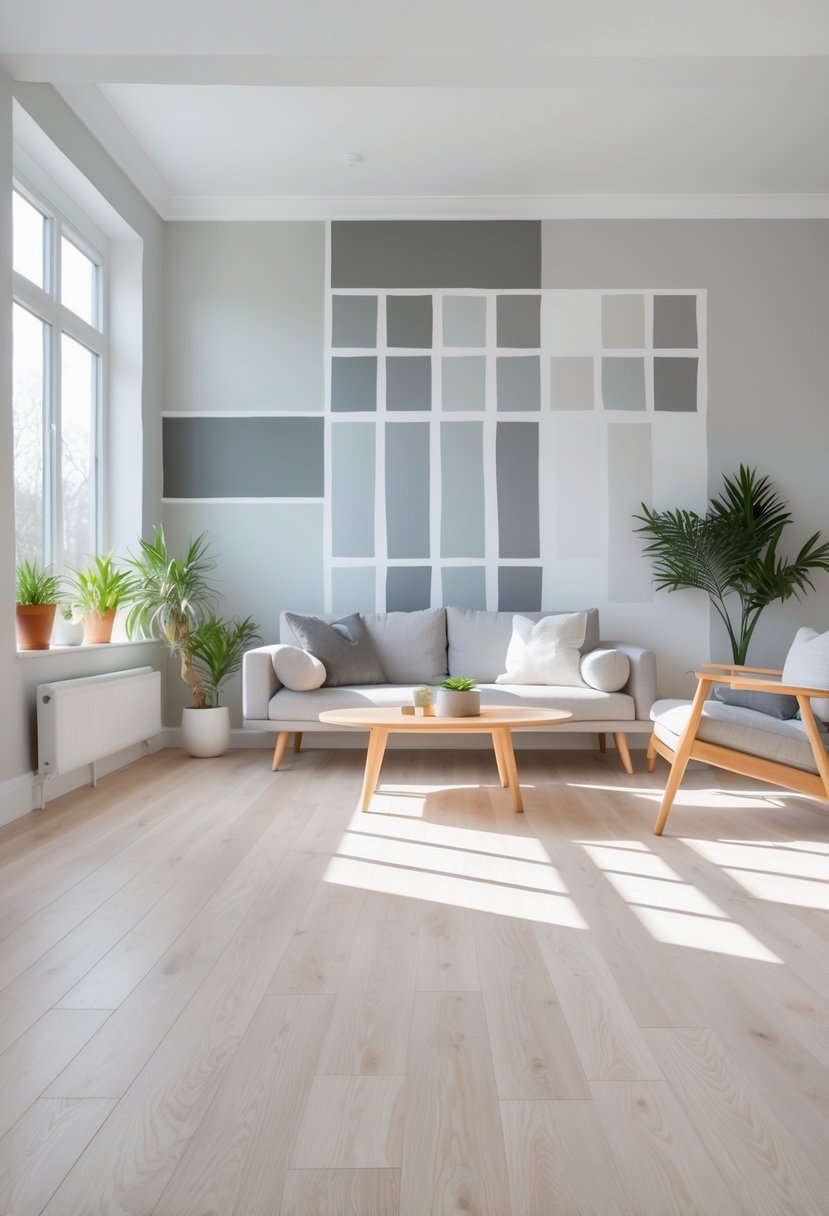
I find light gray to be an excellent choice for walls paired with light wood floors. It offers a neutral yet modern backdrop that balances warmth without overpowering the natural tones of the wood.
Light gray also adapts well to varying light throughout the day, maintaining a calm and consistent look. It pairs nicely with both minimalist and more vibrant decor styles, making it a versatile option in many spaces.
3. Soft Sage
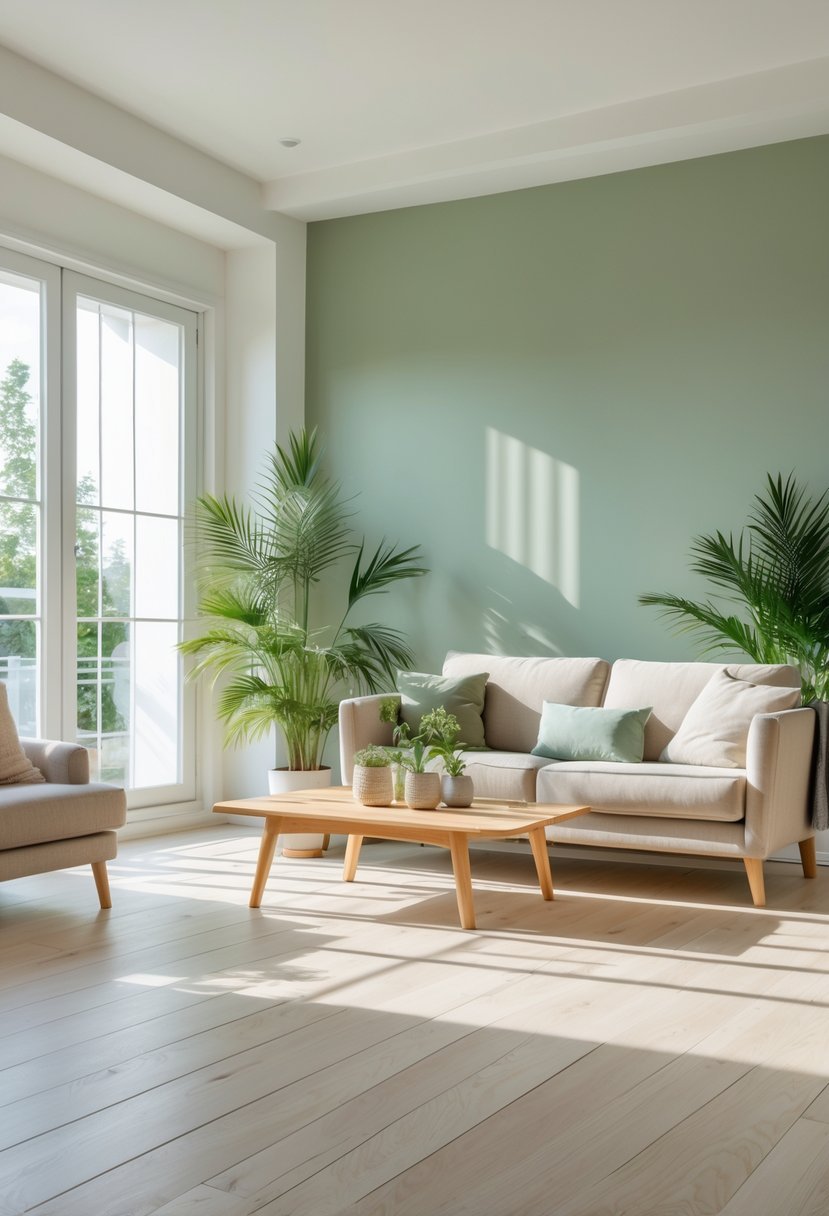
I find Soft Sage to be a great choice for pairing with light wood floors. This muted green with gray undertones adds a calm, grounded feel without overwhelming the space.
Soft Sage works well in minimalist or Scandinavian-style rooms. It complements natural textures like linen and jute, enhancing the organic vibe of light wood.
In my experience, this color pairs nicely with warm neutrals and crisp whites, creating a balanced and inviting atmosphere. It’s subtle but brings a refreshing twist to the palette.
4. Mint Green
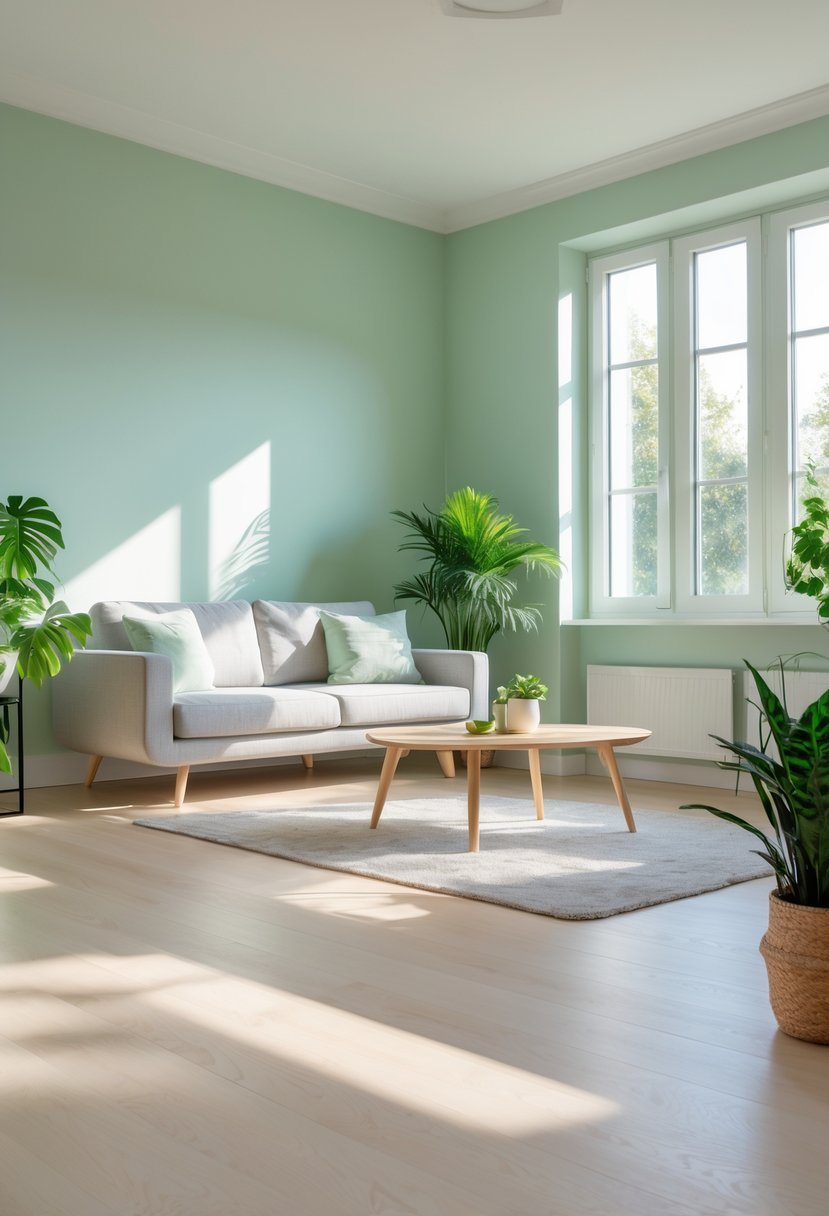
I find mint green to be an excellent choice for light wood floors. It creates a fresh, calming atmosphere without overwhelming the space.
Mint green pairs well with natural wood finishes, adding a subtle warmth and a touch of nature to the room. It suits styles from farmhouse to coastal, enhancing the airy feel.
Using mint green on walls or cabinetry brings a gentle color that complements light wood’s natural tones. This combination feels balanced and inviting in many settings.
5. Pale Blue
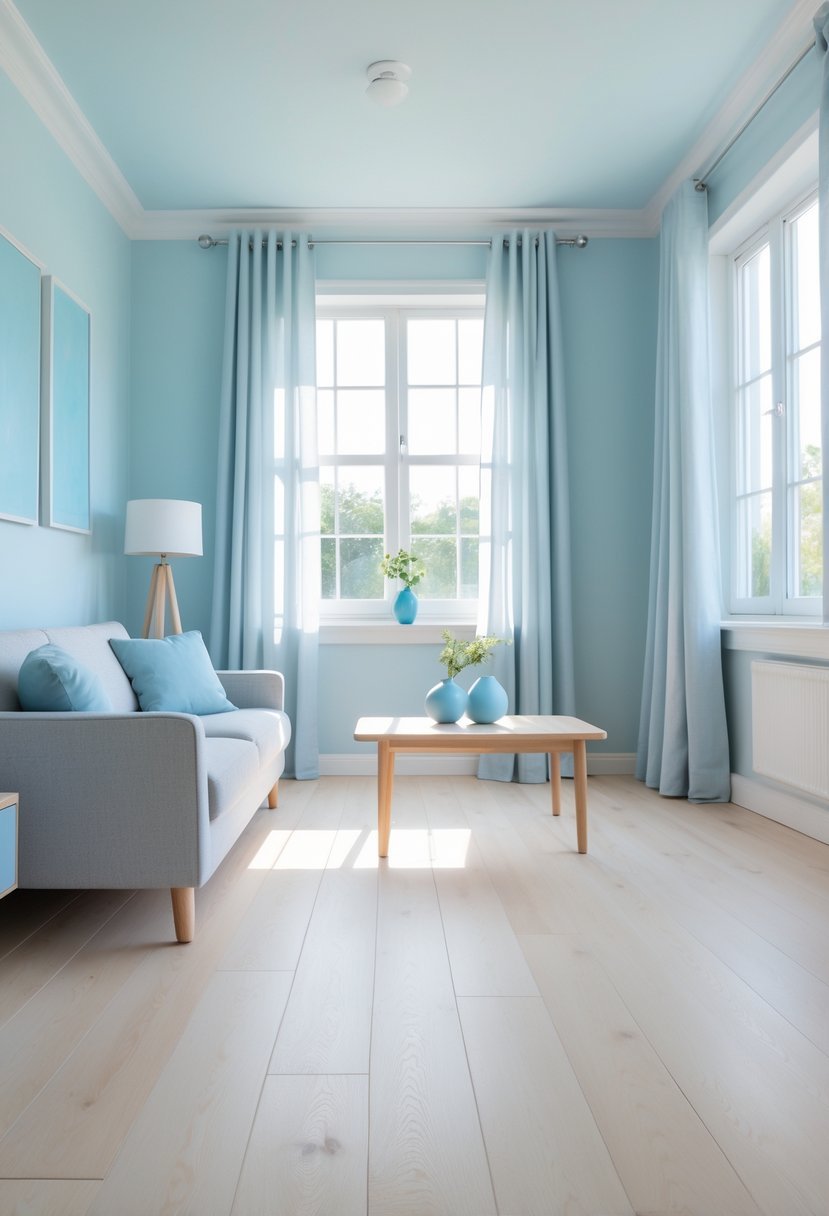
I find pale blue to be an excellent choice for light wood floors. It adds a calm, serene atmosphere without overpowering the natural warmth of the wood.
This color works well in many spaces, especially bedrooms or living rooms. It pairs nicely with coastal or contemporary styles, creating a fresh yet sophisticated look.
Pale blue’s cool tones complement the subtle grain of light wood. It helps maintain a balanced and inviting environment, which I appreciate in any design.
6. Urbane Bronze
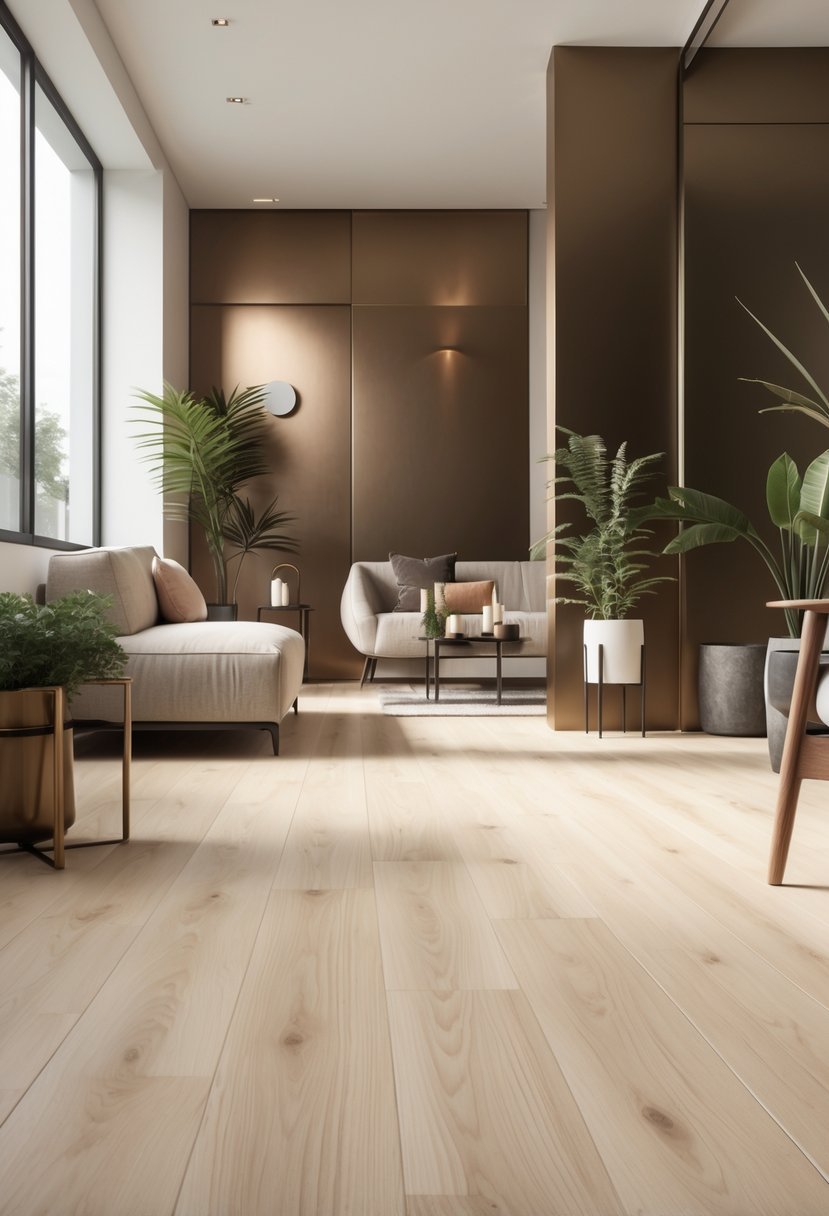
I find Urbane Bronze to be a versatile choice for light wood floors. Its deep, earthy gray-brown tone creates a sophisticated contrast without overwhelming the space.
This color’s subtle undertones add depth, making it ideal for rooms with ample natural light. It pairs well with natural materials, enhancing a calm and balanced atmosphere.
Using Urbane Bronze on walls or cabinets can anchor a room while allowing the warmth of light wood floors to shine through.
7. Charcoal Gray
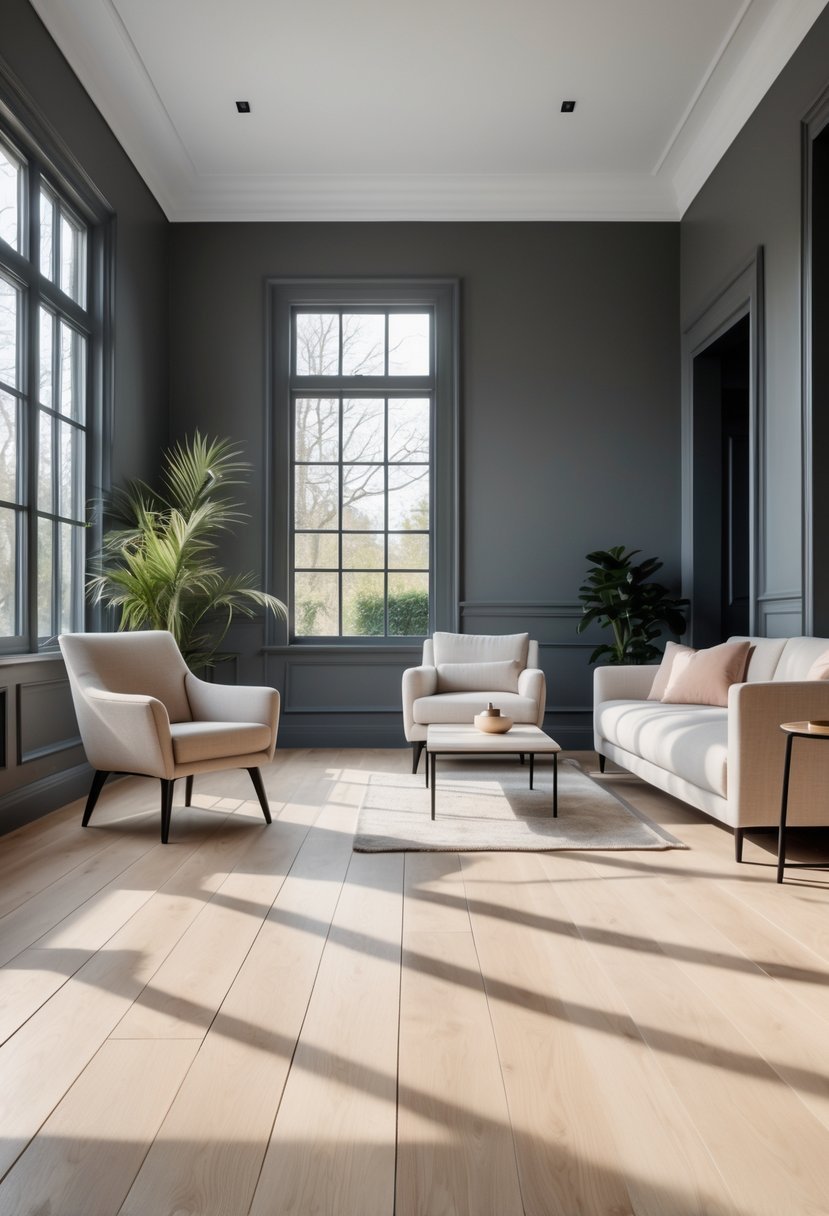
I find charcoal gray to be a strong choice for walls with light wood floors. Its deep tone provides a sophisticated contrast that highlights the warmth of the wood.
Using charcoal gray creates a modern and grounded atmosphere without overwhelming the space. It pairs well with white trim or softer neutral accents to keep the room balanced.
If you want a look that feels elegant but not too dark, charcoal gray offers that middle ground between bold and subtle.
8. Navy Blue
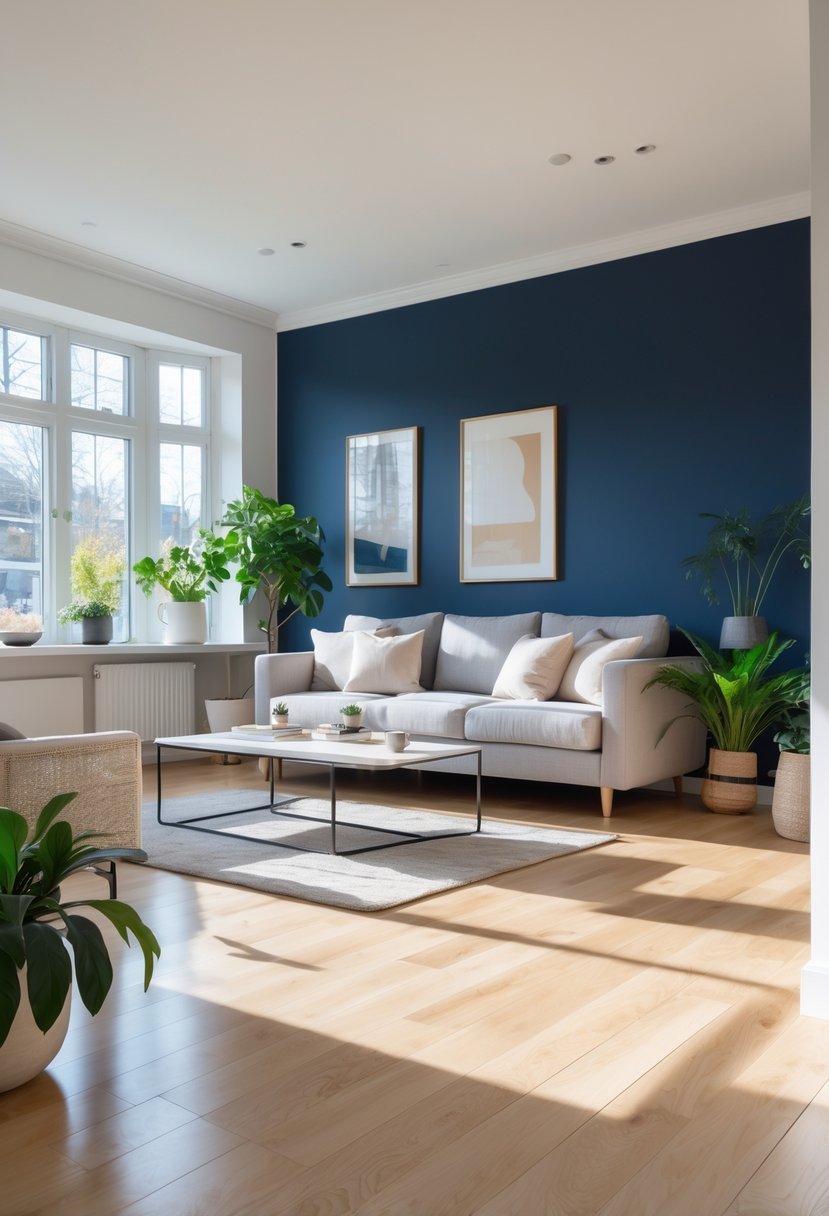
I find navy blue pairs exceptionally well with light wood floors. The deep, rich tone creates a striking contrast without overpowering the natural warmth of the wood.
Navy blue works great on walls or accent pieces. It adds depth and sophistication while allowing the light wood to remain a focal point.
I also like how navy blue complements a range of other colors, from whites to golds, enhancing the overall balance of the room. This makes it a versatile choice for different styles and moods.
9. Beige
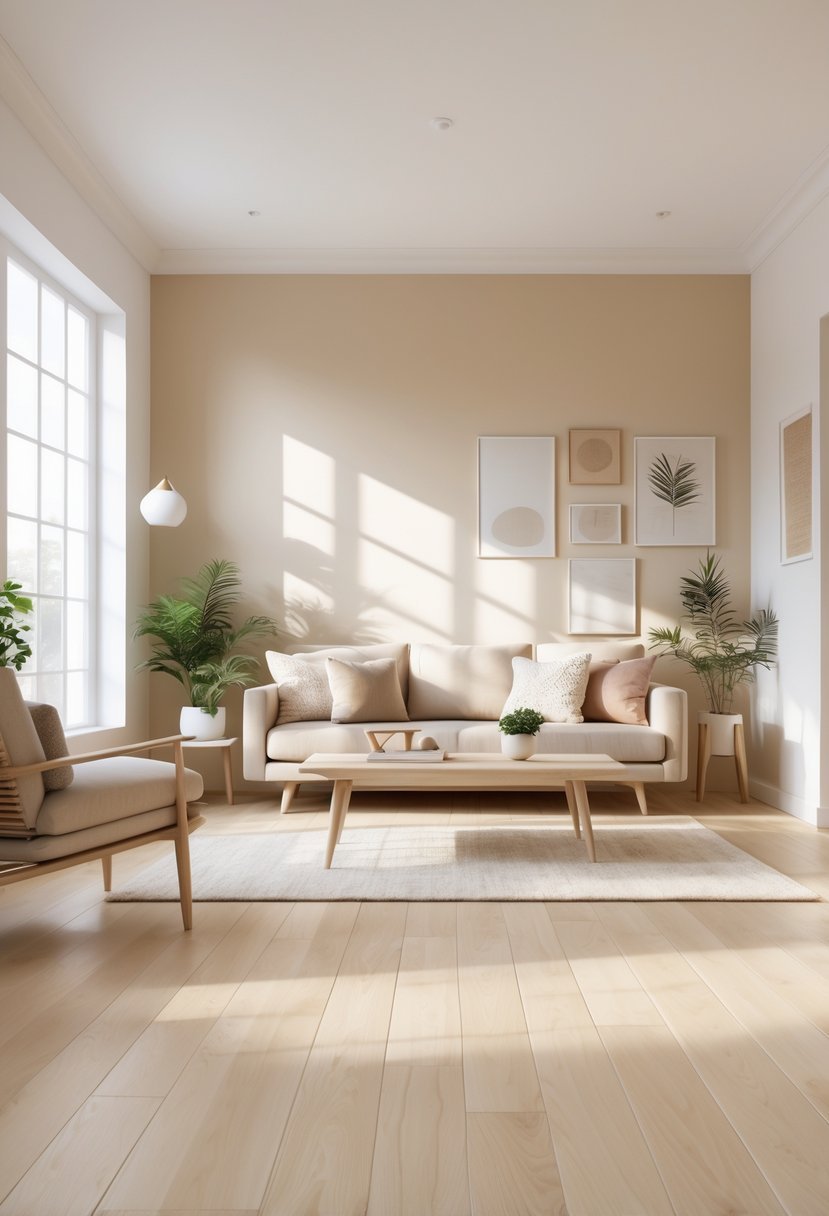
I find beige to be one of the most versatile paint colors for light wood floors. Its warm undertones, often with hints of gold or yellow, complement the natural tones in the wood without overpowering them.
Beige creates a soft, inviting atmosphere that works well in many rooms. It offers a neutral backdrop where both traditional and modern decor can shine.
Choosing a warm beige can add a cozy feel, while lighter, airy beiges keep the space feeling open and bright. Either way, beige harmonizes well with the subtle beauty of light wood flooring.
10. Cream
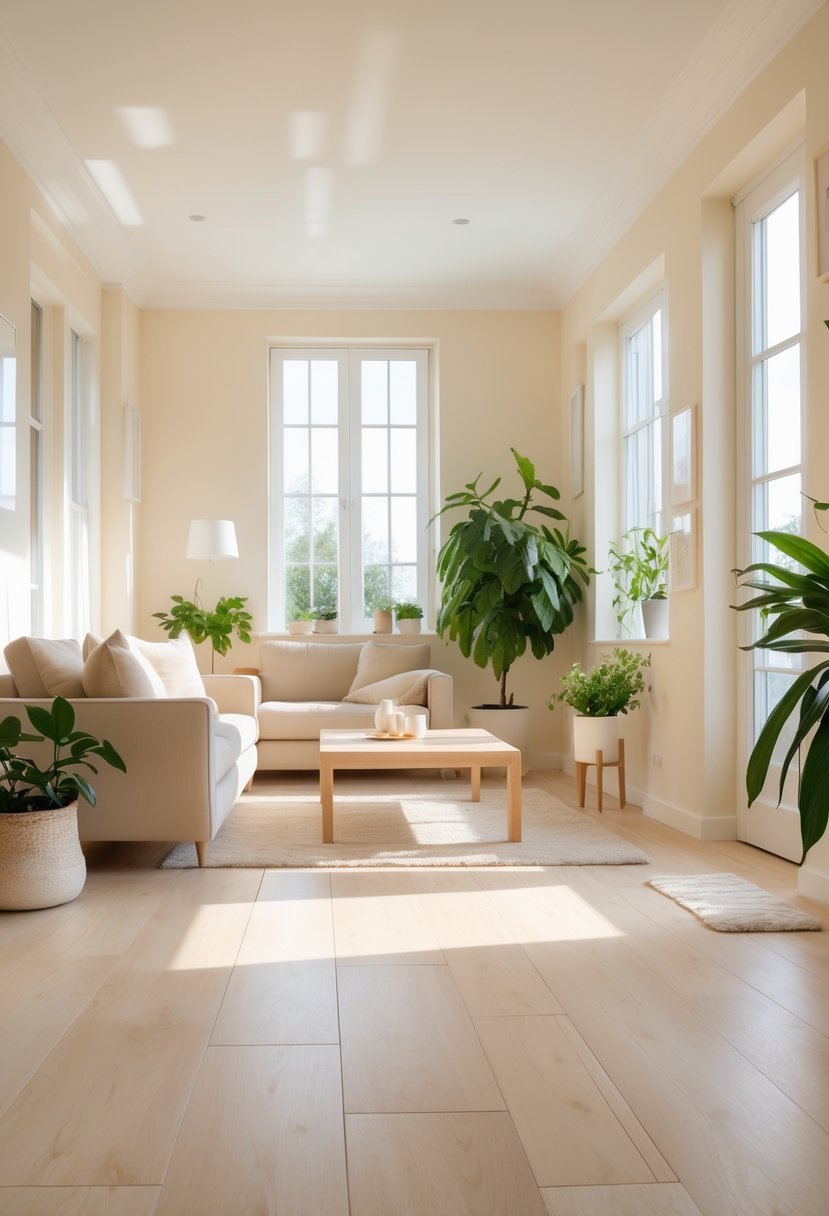
I find cream to be a versatile choice that works well with light wood floors. It complements the natural warmth of the wood without overpowering the space.
Cream walls create a soft, inviting atmosphere and provide a neutral backdrop for various furnishings. This color also helps maintain brightness, especially in rooms with moderate natural light. It’s a reliable option if you want a clean, timeless look that stays adaptable over time.
11. Dusty Rose
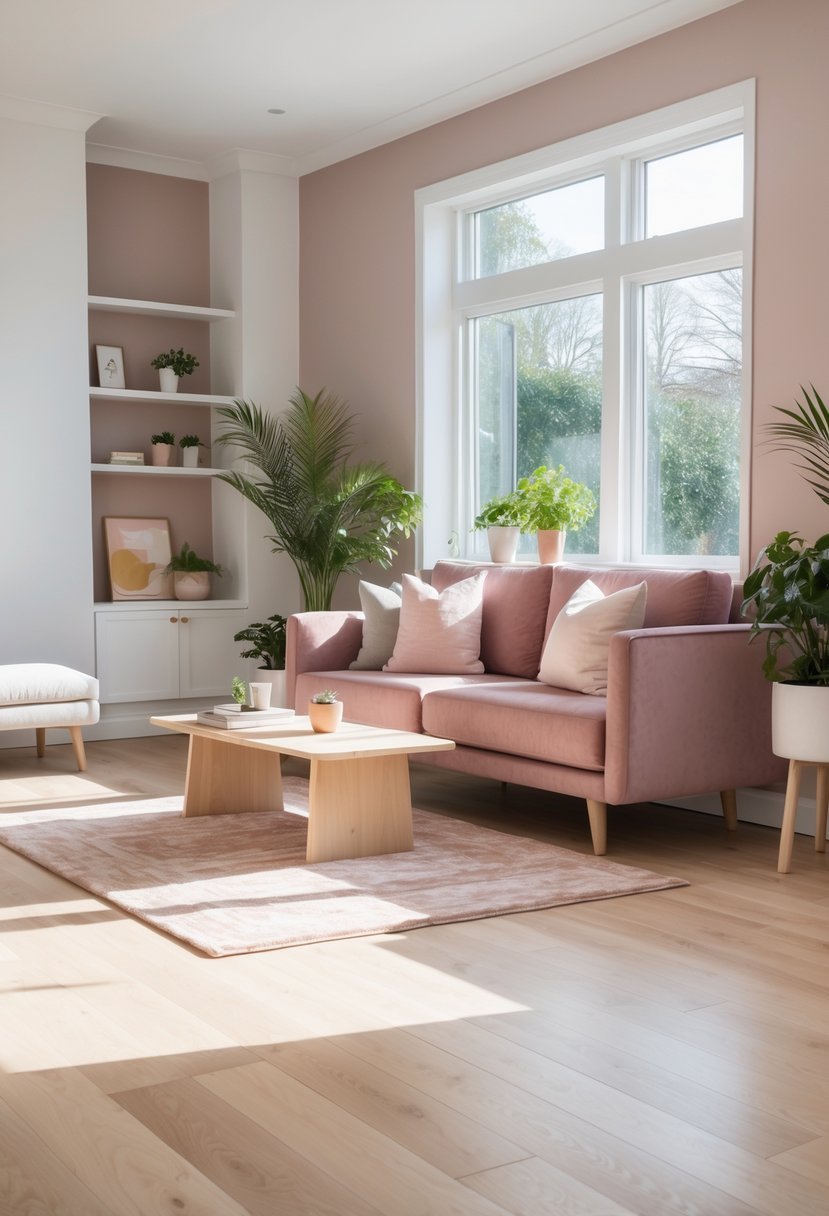
I often recommend dusty rose as a paint color for light wood floors because it offers a soft, muted pink that complements the natural warmth of the wood. Its subtle elegance creates a calm and inviting atmosphere without overwhelming the space.
This color works well in bedrooms and living areas where a gentle, romantic vibe is desired. Dusty rose adds sophistication while balancing warmth and softness, making it a versatile choice for various interior styles.
12. Mustard Yellow
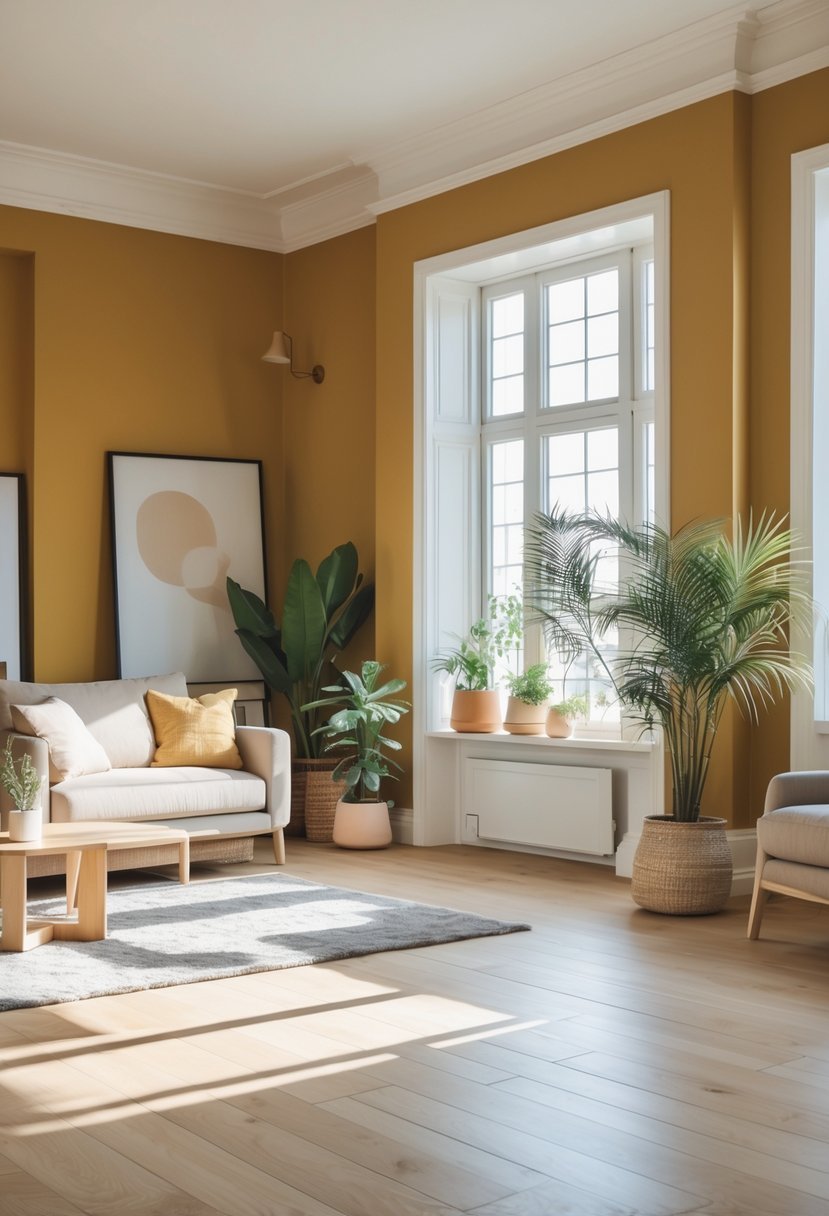
I find mustard yellow adds a rich, warm tone that pairs well with light wood floors. It brings depth without overpowering the natural wood’s softness.
Using mustard yellow on accents like cushions or rugs enhances the space’s warmth while keeping the overall feel inviting.
This color works best when balanced with neutral walls or soft creams. It creates contrast while maintaining harmony with the light wood tones.
13. Light Taupe
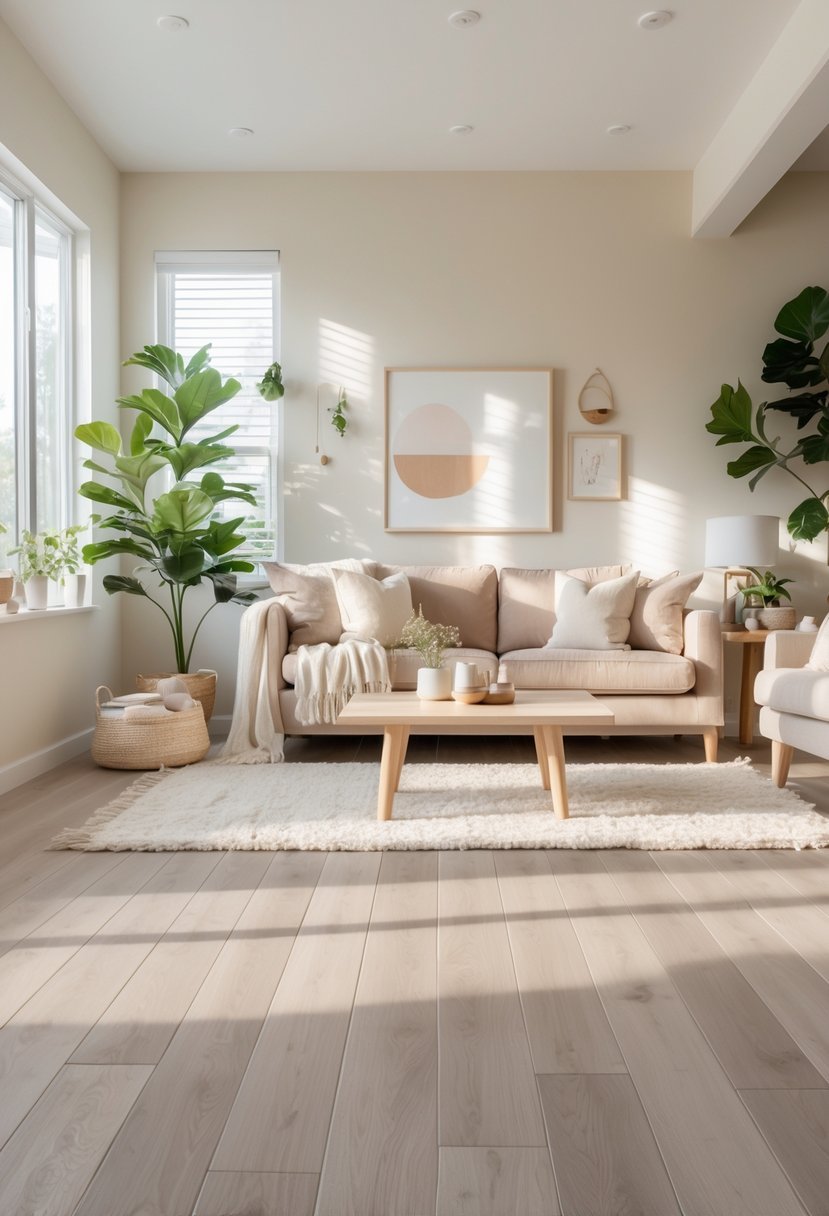
I find light taupe to be an excellent choice for walls paired with light wood floors. Its warm, neutral tone adds subtle depth without overpowering the natural beauty of the flooring.
Light taupe creates a cozy and inviting atmosphere while maintaining a modern feel. It blends well with various furniture styles and colors, making it versatile for many design preferences.
This color also works well in spaces with natural light, adjusting gently as the day progresses. It’s a reliable option when you want a muted, warm backdrop.
14. Sage Green
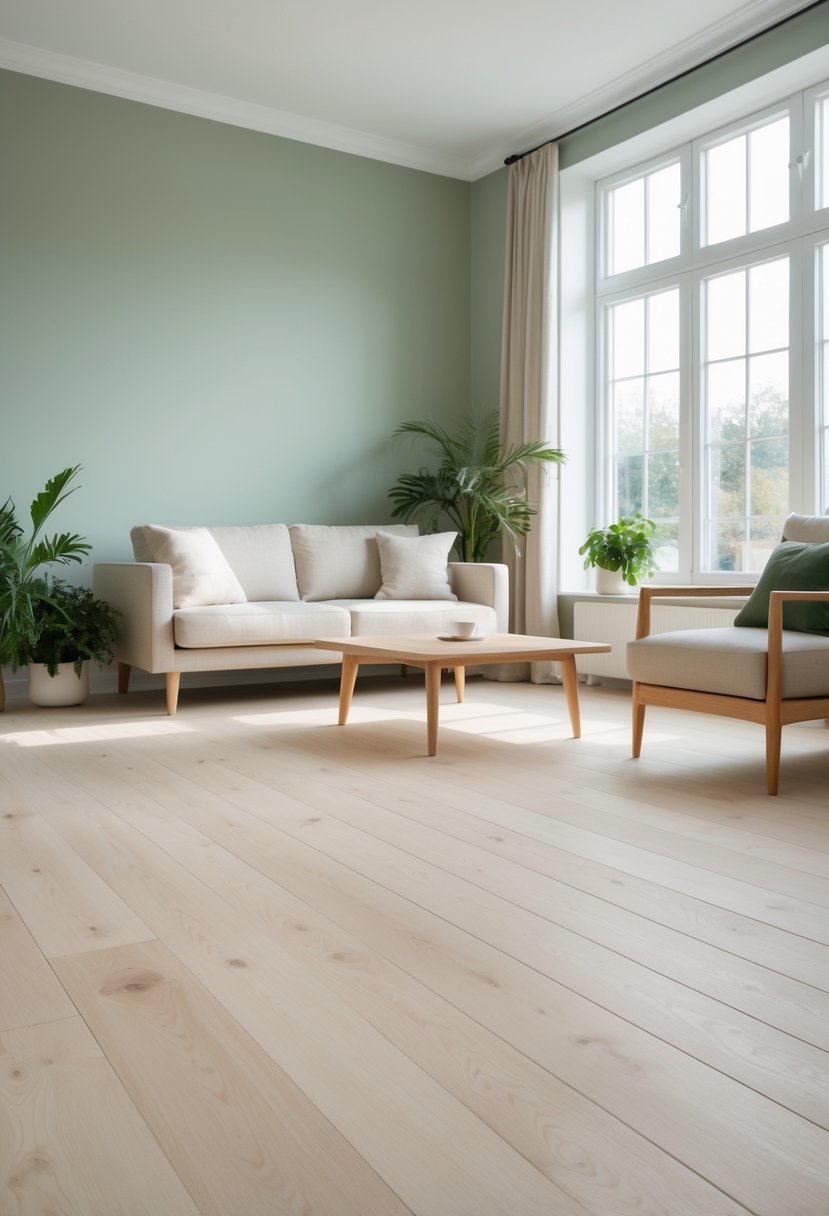
I find sage green to be an excellent choice for light wood floors. Its muted, soft tone adds a natural and calming feel without overpowering the room.
Sage green works well with warm neutrals and natural wood, creating a balanced and inviting space. It’s versatile enough to fit in living rooms, bedrooms, or kitchens.
Incorporating sage green can bring a subtle touch of color while maintaining a neutral palette that complements the light wood’s warmth.
15. Powder Blue
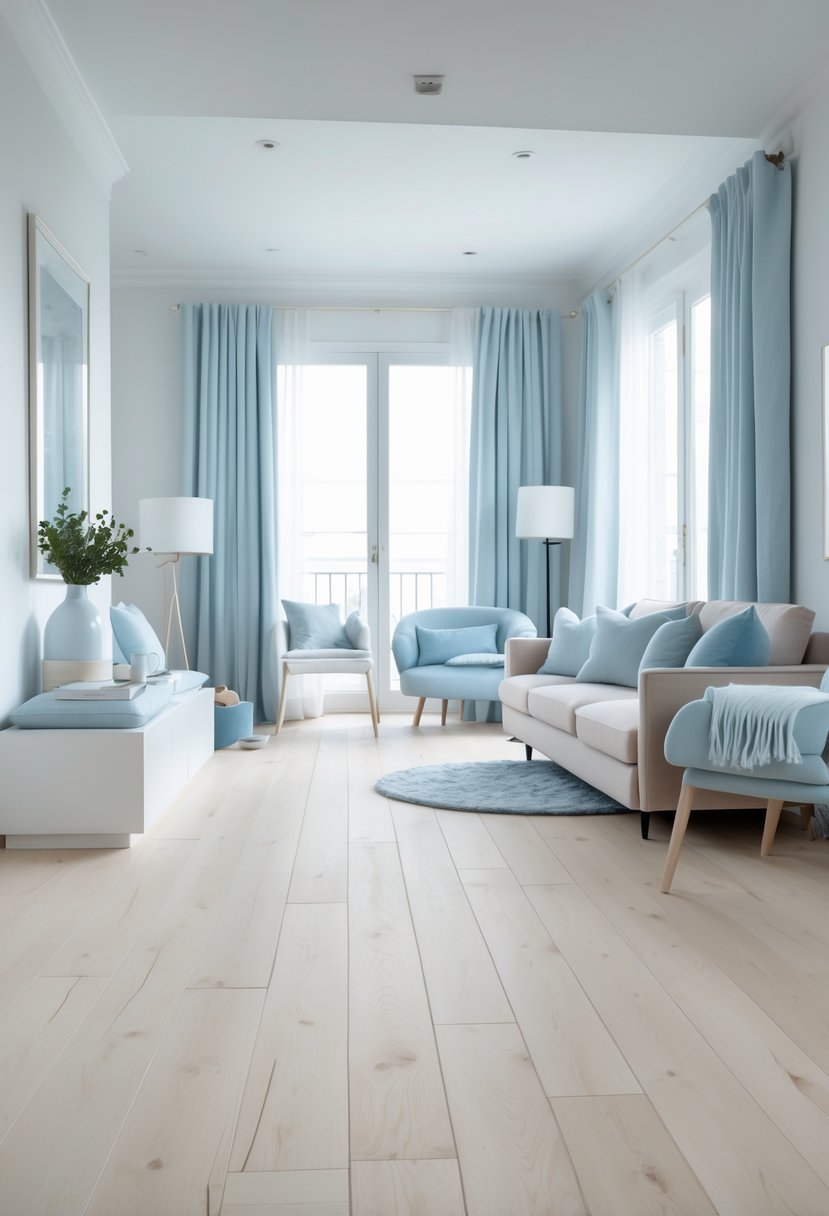
I find powder blue to be an excellent choice for rooms with light wood floors. It offers a soft, calming vibe that complements the natural warmth of the wood without overpowering it.
This shade works especially well in spaces with plenty of natural light. Bright or cool light brings out powder blue’s subtle blue-green undertones, creating a balanced and inviting atmosphere.
How I Choose Paint Colors for Light Wood Floors
Step One: Identify the Wood Undertone
When I work with light wood floors I always begin by identifying undertones. Some light woods lean warm while others feel more neutral. This step helps me avoid colors that clash or feel flat.
- Warm woods pair well with beige cream and soft greens
- Neutral woods work with gray blue and taupe
- Balanced undertones allow more flexibility
Step Two: Decide the Mood for the Room
I choose paint colors based on how I want the space to feel since light wood floors already add warmth.
- Neutrals create calm and timeless rooms
- Soft colors add personality without distraction
- Deep shades create contrast in well lit spaces
Step Three: Balance Light and Color
Lighting changes how paint appears next to light wood floors so I always test samples first.
- Natural light enhances cool tones
- Artificial lighting warms neutrals
- Light ceilings keep rooms open
Step Four: Use Contrast Carefully
I avoid overpowering light wood by controlling contrast levels.
- Dark walls work best with simple decor
- Mid tone walls maintain softness
- Accent colors add depth without heaviness
Step Five: Keep the Design Flexible
I focus on paint colors that allow future decor changes without repainting.
- Neutral bases support long term style
- Color comes through furniture and accents
- Simple palettes stay current
FAQs
Creating Balanced and Inviting Interiors
I believe paint colors for light wood floors work best when they enhance warmth rather than compete with it. By considering undertones lighting and balance I can create rooms that feel welcoming timeless and adaptable. Light wood floors provide a beautiful foundation when paired with thoughtful color choices.

I am Mindy Medford, a home décor, paint, and design specialist with over a decade of hands-on experience transforming ordinary spaces into cozy, personality-packed havens. Since 2013, I have been helping homeowners discover the art of beautiful yet practical design. I share my love for color, texture, and layout—making stylish interiors & exteriors feel achievable for everyone. Whether it’s picking the perfect paint shade or reimagining a small space, I’m here to guide and inspire.