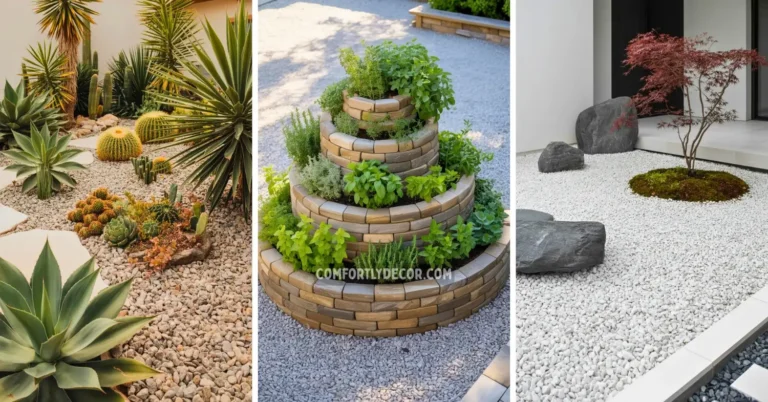
Small Vegetable Garden Ideas That Work for Every Space
I remember staring at my tiny concrete balcony and feeling completely defeated. I wanted fresh tomatoes and crisp lettuce, but I thought I needed a sprawling backyard to make that happen. But, I was wrong. I realized that constraints actually breed creativity. I do not need an acre of land to grow a serious amount of food. Just need a solid plan and some clever techniques.
I find that gardening in small spaces is often more rewarding because I can control every single variable. Get fewer weeds, fewer pests, and I save so much time on maintenance. If I can grow a jungle in my little apartment, I know I can help anyone do the same.
15 Small Vegetable Garden Ideas
1. Vertical Trellis System
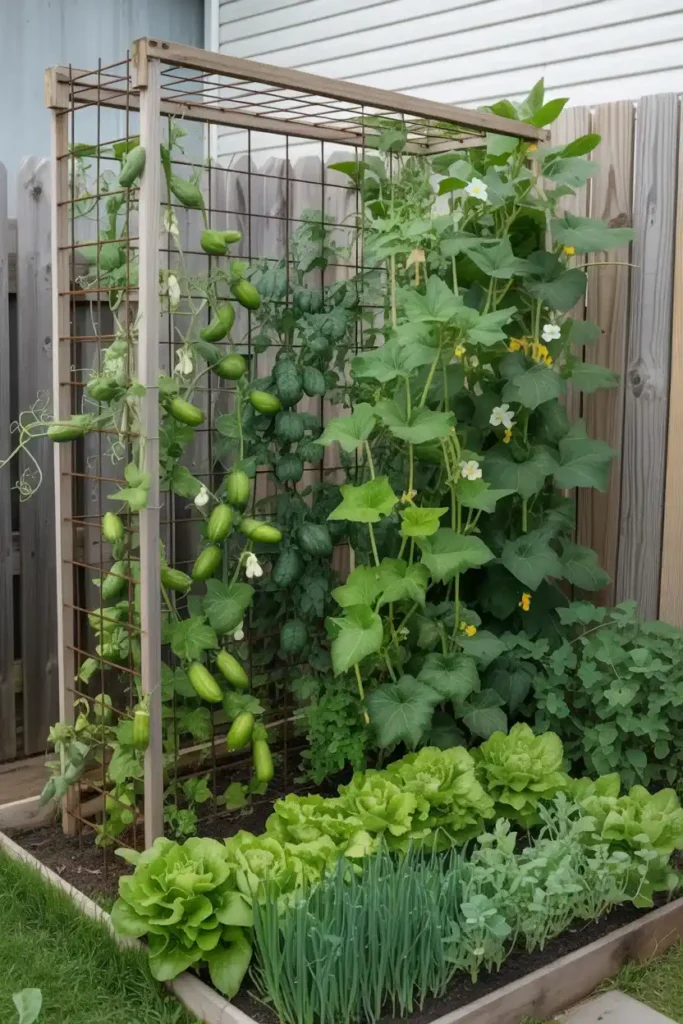
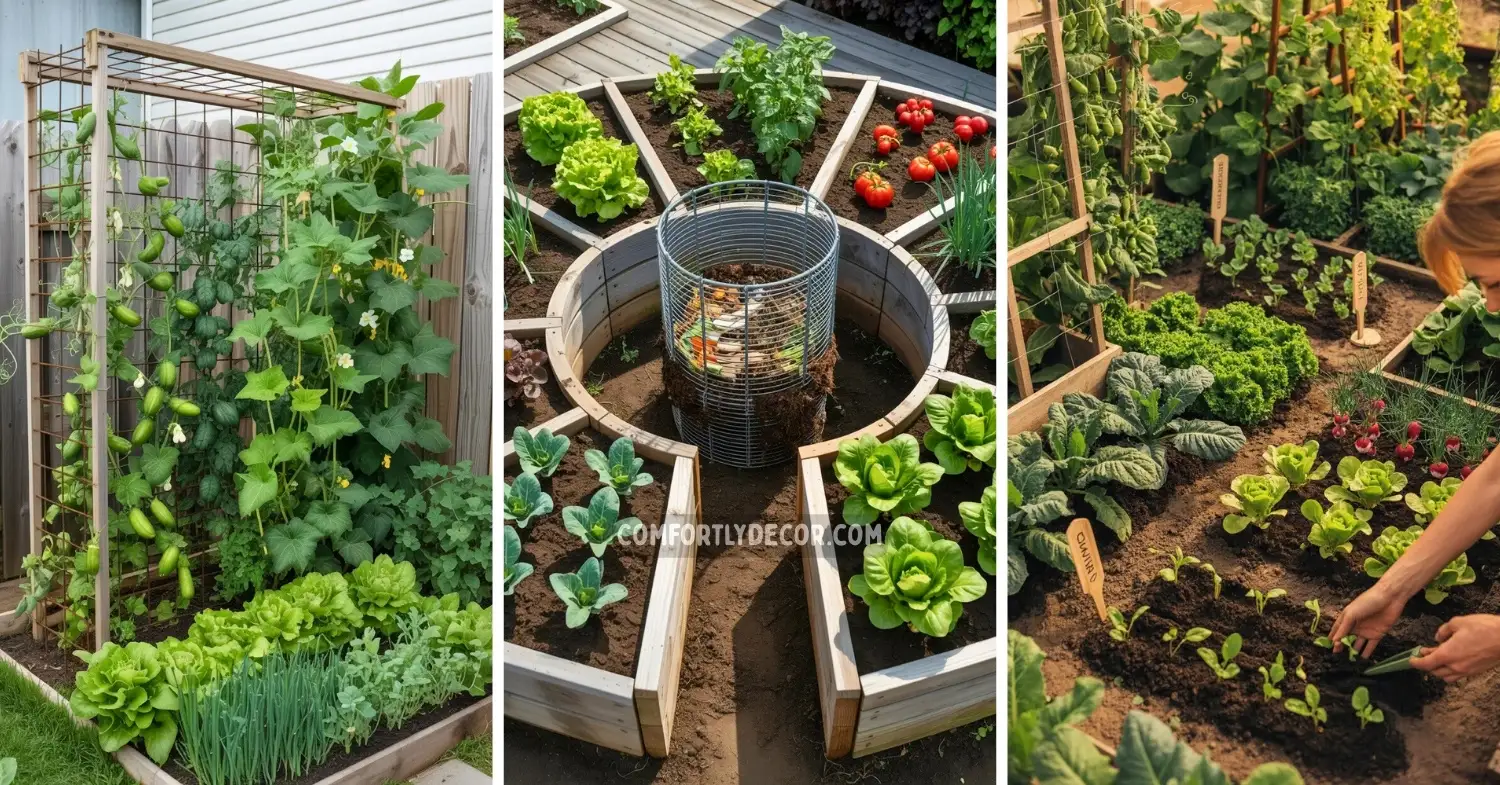
I absolutely love growing upwards rather than outwards. I find that a simple trellis system transforms a tight corner into a productive green wall.
I use cattle panels or sturdy twine to support climbing plants like peas, cucumbers, and pole beans. This method saves precious ground space for other crops. I notice that my plants get better air circulation and sunlight exposure when they are off the ground.
Plus, harvesting is a breeze because I do not have to bend down constantly. I usually place these on the north side of the garden so they do not shade smaller plants.
2. Window Box Herbs
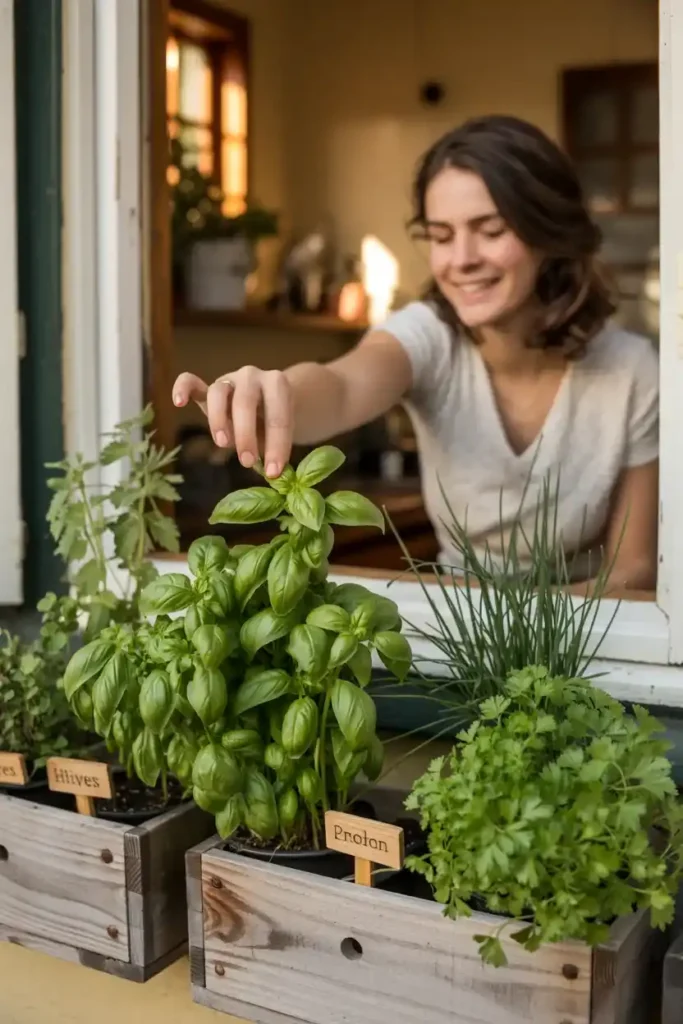
I never underestimate the power of a window box. I attach these planters directly to my window sills or balcony railings to utilize dead space. I find them perfect for shallow rooted plants like basil, chives, and parsley.
I make sure to choose boxes with drainage holes to prevent root rot. I love being able to open my kitchen window and snip fresh herbs while I am cooking dinner.
It is the ultimate farm to table experience right inside my home. I recommend mixing flowers like marigolds with the herbs to deter pests and add a pop of color to the view.
3. Hanging Baskets for Strawberries
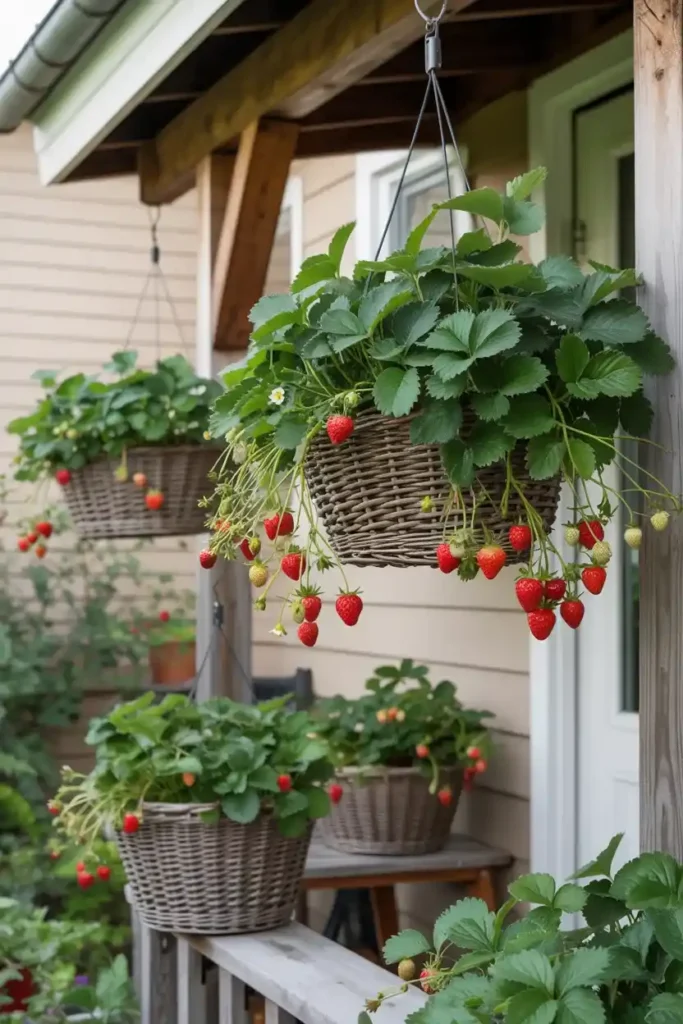
I use hanging baskets to keep my strawberries safe from slugs and ground pests. I hang them from porch eaves or shepherd hooks around the patio.
I find that strawberries trail beautifully over the edges, which keeps the fruit clean and dry. I use a high quality potting mix that retains moisture because hanging baskets tend to dry out faster in the wind.
I water them frequently, especially during hot summer days. This setup looks gorgeous and provides a sweet treat whenever I walk by. I think it is one of the most efficient ways to grow fruit in a limited area.
4. Square Foot Gardening Grid
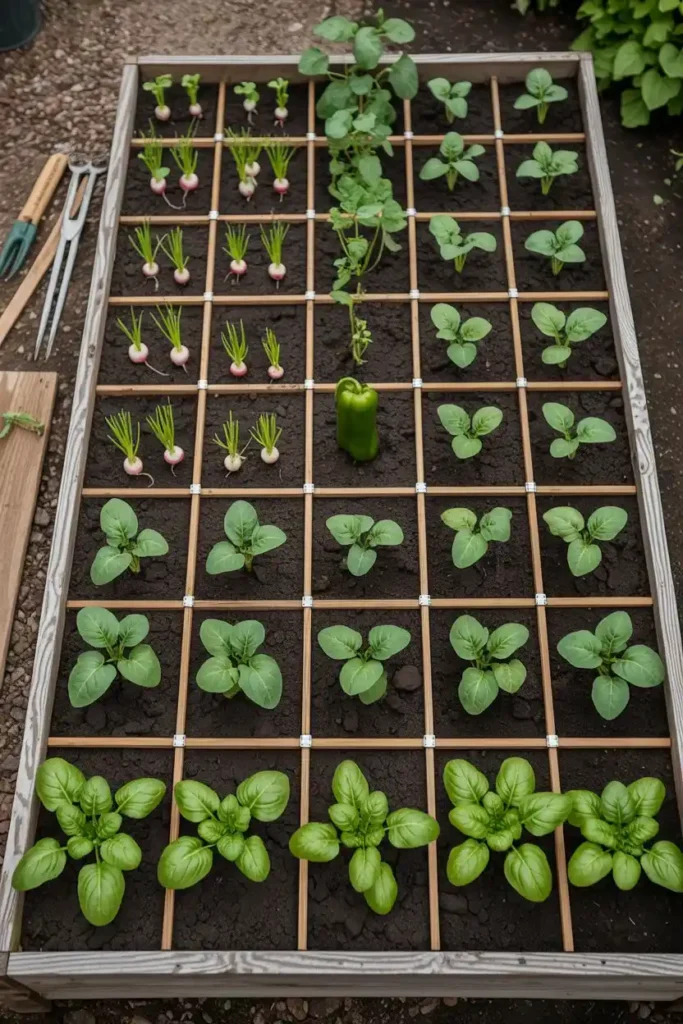
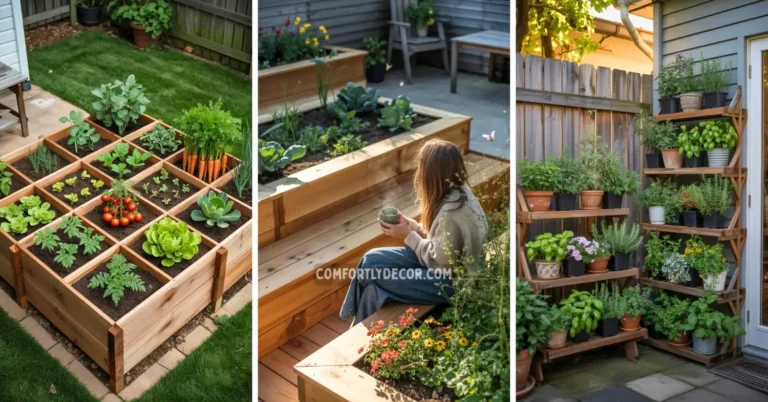
I rely heavily on the square foot gardening method to maximize my yield. I divide my raised beds into a grid of one foot squares using string or wood strips.
I plant a specific number of vegetables in each square based on their size. For example, I plant sixteen radishes or carrots in one square, nine spinach plants in another, or one single pepper plant in its own square.
I find this method prevents overcrowding and makes weed control incredibly simple. I never waste seeds because I plant exactly what fits. It keeps my garden organized and incredibly productive.
5. Tiered Ladder Planter
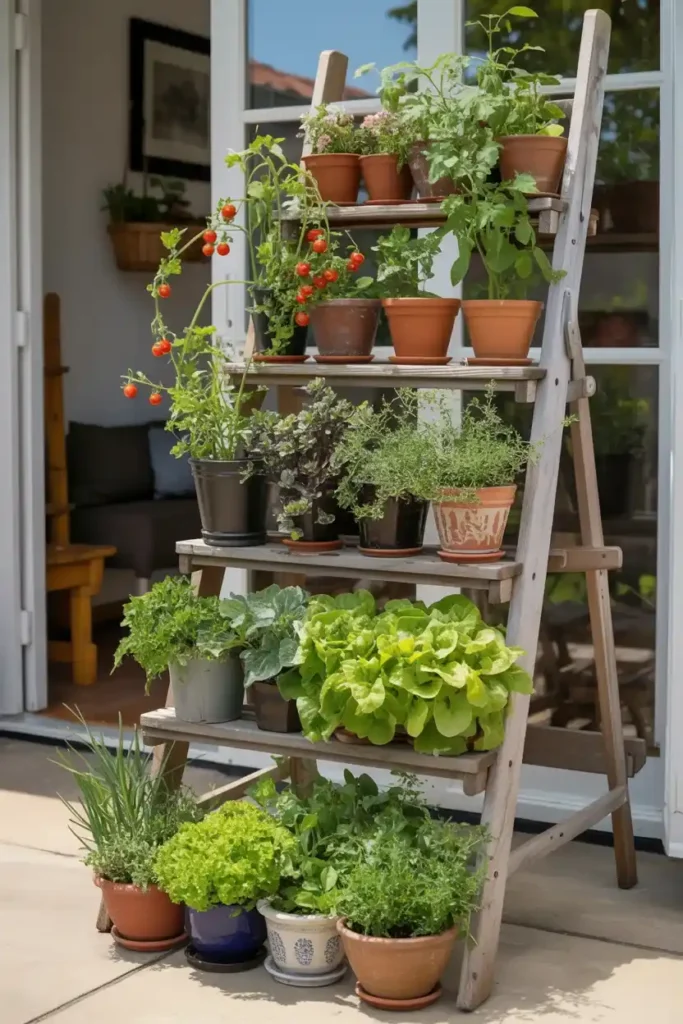
I built a tiered ladder planter to take advantage of vertical space on my patio. I lean an old wooden ladder against a wall and place pots on each rung.
I find this arrangement creates a stunning waterfall effect of greenery. I place sun loving plants on the top rungs and shade tolerant greens on the lower ones. This setup allows me to grow a wide variety of crops in a footprint that is only two feet wide.
I love how easy it is to reach every pot for watering and harvesting. It is a fantastic solution for renters who cannot dig up the ground.
6. Gutter Garden on a Fence
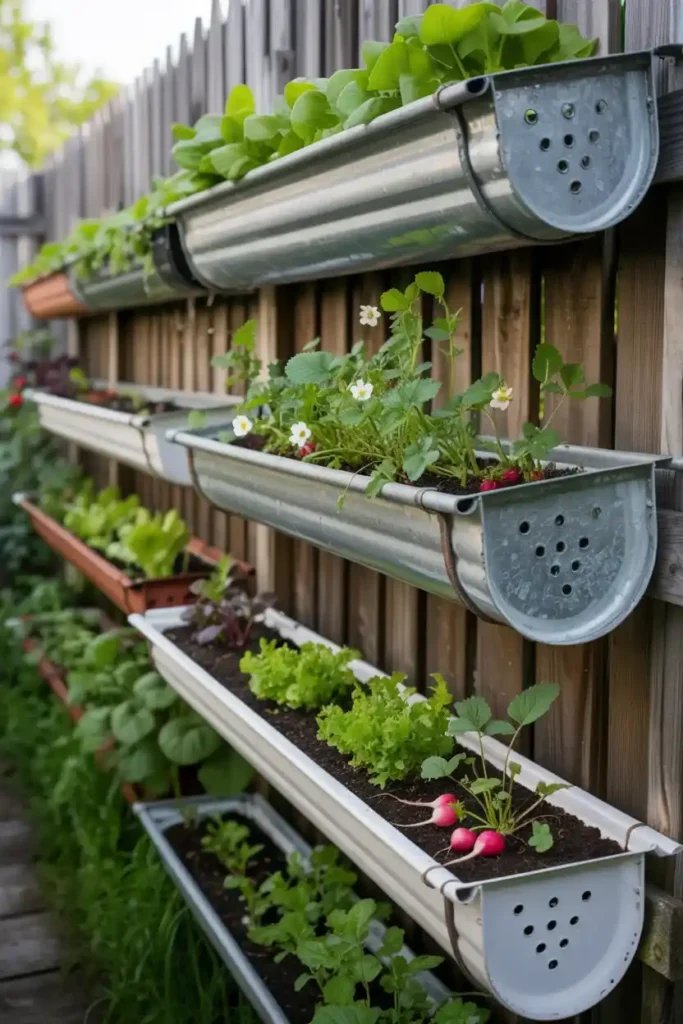
I repurposed old rain gutters to create a unique garden along my fence line. I mounted several rows of gutters horizontally to the fence boards. I drilled small holes in the bottom of each gutter for drainage.
I find these shallow troughs are perfect for growing salad greens, radishes, and strawberries. I fill them with a lightweight potting mix to keep the weight down. I love how this turns a boring wooden fence into a living wall of food.
It keeps the plants away from rabbits and creates a beautiful visual barrier. I think it is a genius way to use vertical space.
7. Potatoes in Grow Bags
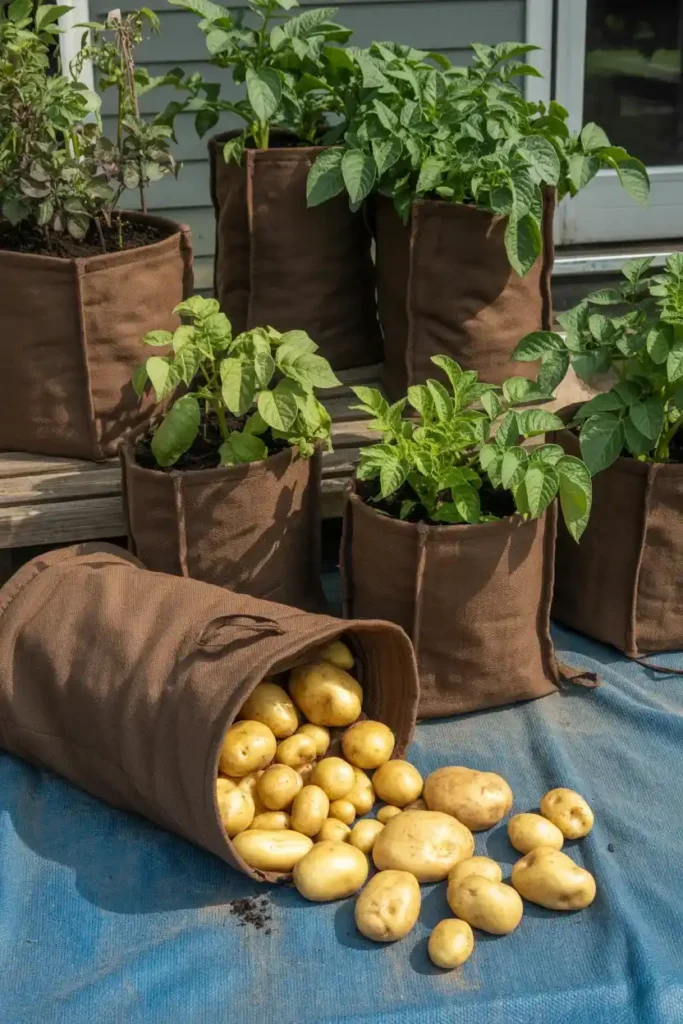
I grow potatoes in fabric grow bags instead of struggling with hard ground soil. I start by filling the bottom of the bag with a few inches of soil and seed potatoes.
As the plants grow, I keep adding more soil until the bag is full. I find that the fabric allows the roots to breathe and prevents them from circling. When it is time to harvest, I simply dump the bag out onto a tarp.
I get pristine potatoes without forcing a shovel into the ground. I can move the bags around to chase the sun, which is a huge bonus in a small yard.
8. Succession Planting Strategy
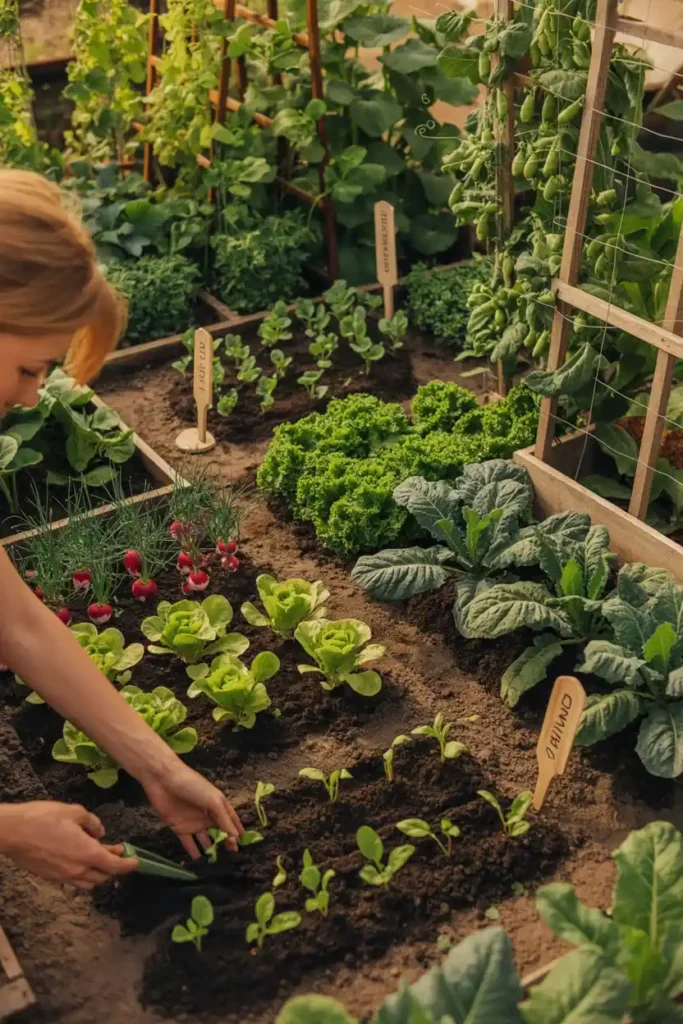
I never leave a spot empty in my garden for long. I use succession planting to keep the harvest going all season.
As soon as I harvest a fast crop like radishes or lettuce, I immediately plant something else in that spot. I find that this constant rotation keeps the soil active and doubles my yield. I might follow spring peas with summer beans and then plant kale for the fall.
I plan my schedule carefully so I always have seeds ready to go. I think this strategy is crucial for getting the most out of a tiny plot. It feels like I am cheating the seasons.
9. Edible Landscaping Borders
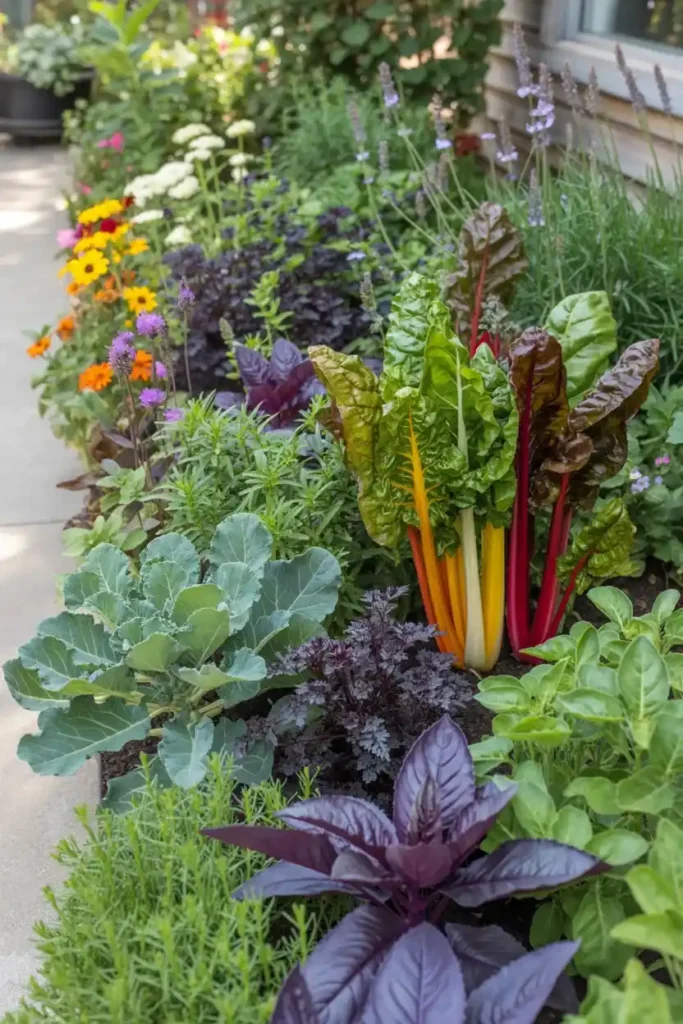
I stopped separating my flowers and vegetables years ago. I plant edible crops right in my front yard landscape borders. I find that rainbow chard, kale, and purple basil look just as beautiful as ornamental plants.
I mix them in with my perennials to save space. I love that my neighbors usually have no idea that my beautiful garden is actually my grocery store.
I make sure to avoid using chemical fertilizers since I will be eating the plants. I think this approach makes the garden look lush and full while providing food. It is the best of both worlds IMO.
10. Dwarf Fruit Trees in Pots
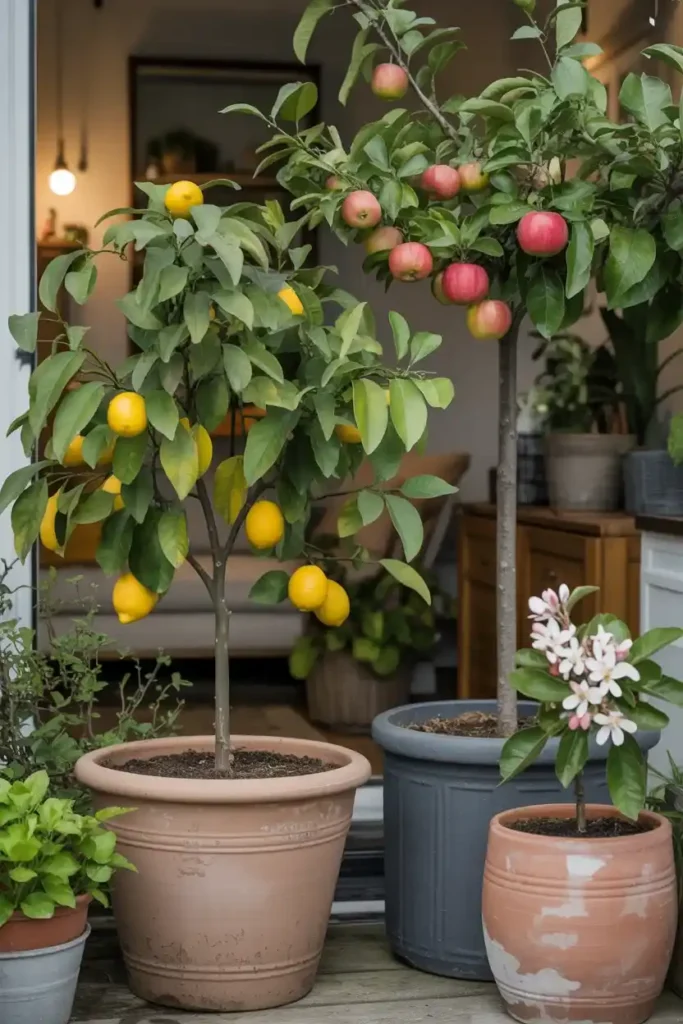
I always wanted an orchard, so I started growing dwarf fruit trees in large containers. I choose varieties that are grafted specifically for small spaces. I have a Meyer lemon tree and a columnar apple tree that live happily on my patio.
I use heavy pots to prevent them from tipping over in the wind. I find that I get full sized fruit from these pint sized trees. I bring the citrus tree indoors during the winter to protect it from frost.
I love the smell of the blossoms in the spring. It proves I do not need an orchard to grow fresh fruit.
11. Repurposed Pallet Garden
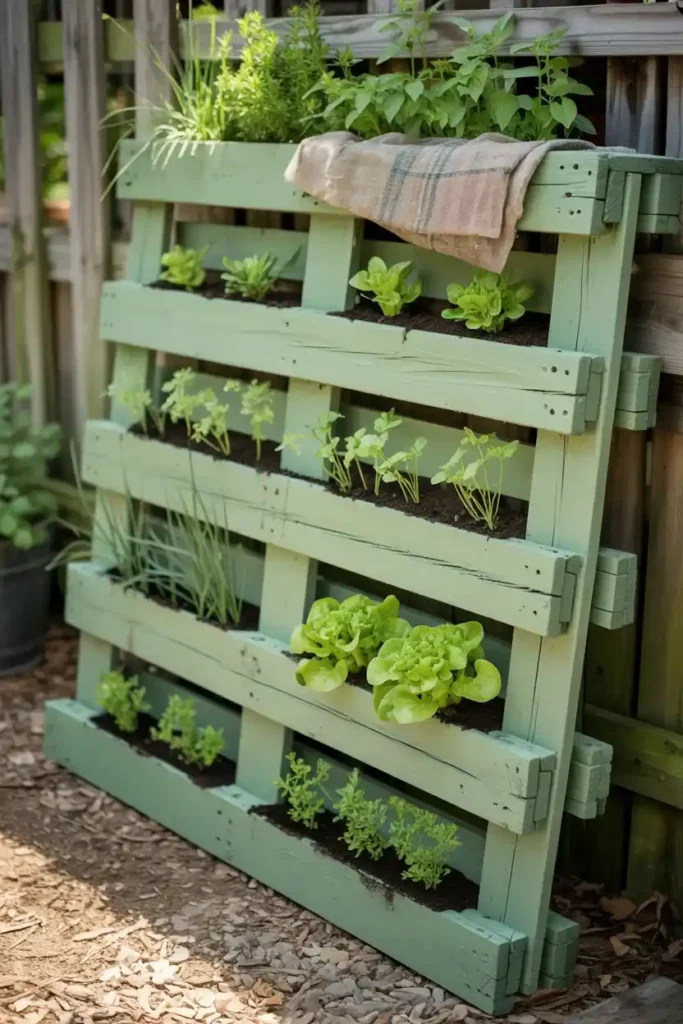
I use old shipping pallets to create instant raised beds. I staple landscape fabric to the back of the pallet and fill the openings with soil. I lean the pallet against a wall or lay it flat on the ground.
I find the slats create perfect little rows for planting herbs and lettuces. I make sure to look for pallets that are heat treated rather than chemically treated for safety.
I love that this project costs almost nothing. I often paint the wood to match my outdoor decor. It is a rustic and eco friendly way to garden.
12. Keyhole Garden Bed
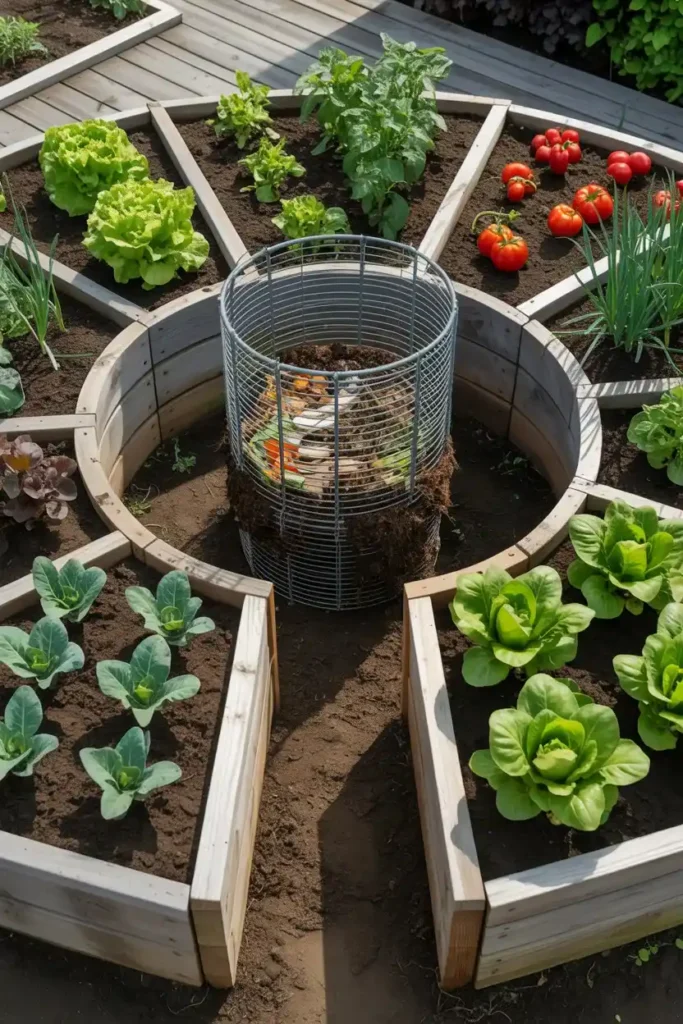
I built a keyhole garden to maximize growing space and minimize water usage. This is a circular raised bed with a compost basket in the very center and a notch cut out for access. I throw my kitchen scraps directly into the center basket.
I find that the nutrients leach out into the surrounding soil to feed the plants. I water the center basket, which distributes moisture evenly to the roots.
I love that I do not have to walk on the soil to reach the plants. It creates a highly fertile and self sustaining system.
13. Spiral Herb Garden
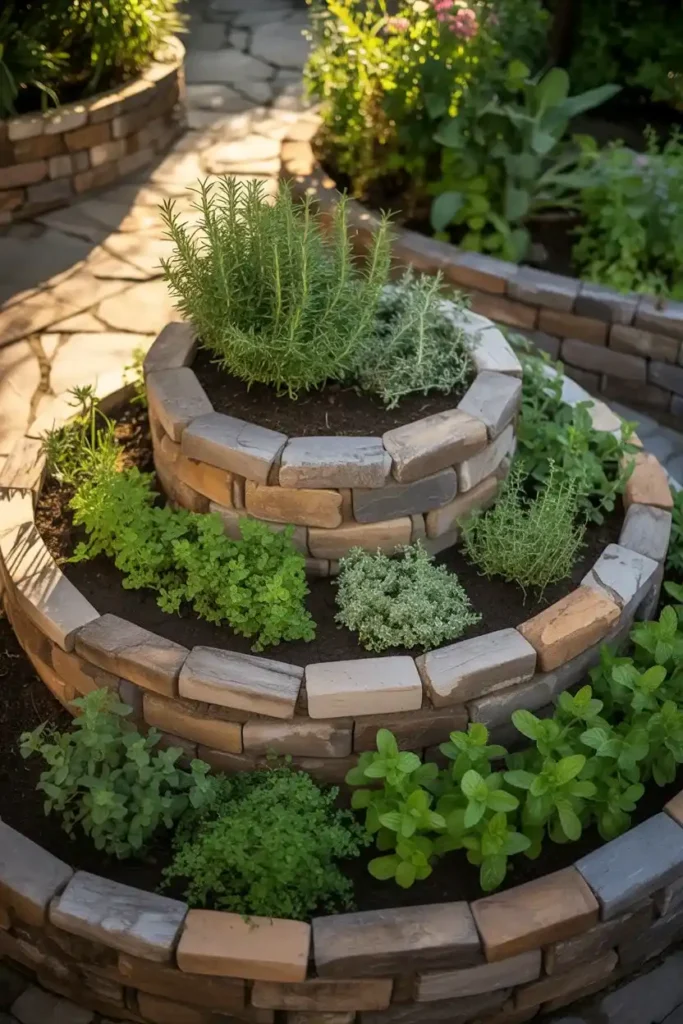
I constructed a spiral herb garden to create different microclimates in a small footprint. I use stones or bricks to build a spiral ramp of soil.
I plant Mediterranean herbs like rosemary and thyme at the top where drainage is best. I plant moisture loving herbs like mint and parsley at the bottom. I find that the thermal mass of the stones keeps the plants warm at night.
I love how much variety I can fit into a space the size of a tractor tire. It serves as a beautiful focal point in the garden.
14. Railing Planters for Balconies
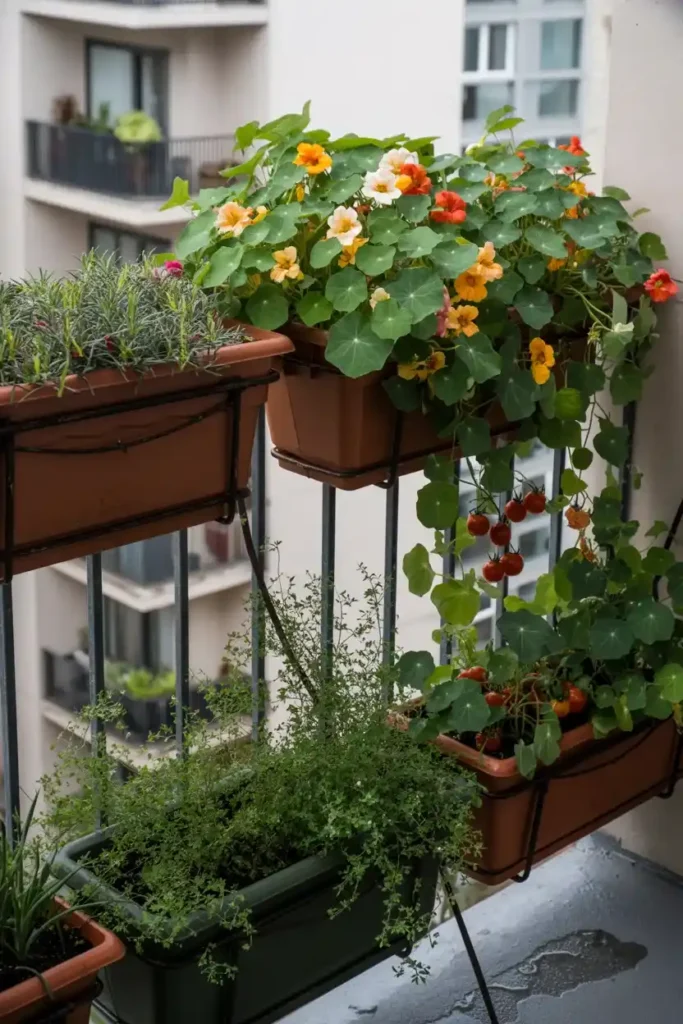
I utilize every inch of railing on my deck with saddle planters. These containers sit securely over the top of the railing without needing any screws.
I find them perfect for trailing plants like nasturtiums or bush varieties of tomatoes. I ensure they have drainage holes so the roots do not drown during heavy rain.
I love creating a privacy screen of greenery that blocks the view of the street. It makes my balcony feel like a secluded oasis. I think it is an essential trick for apartment dwellers who have zero ground space.
15. Interplanting Shade Lovers
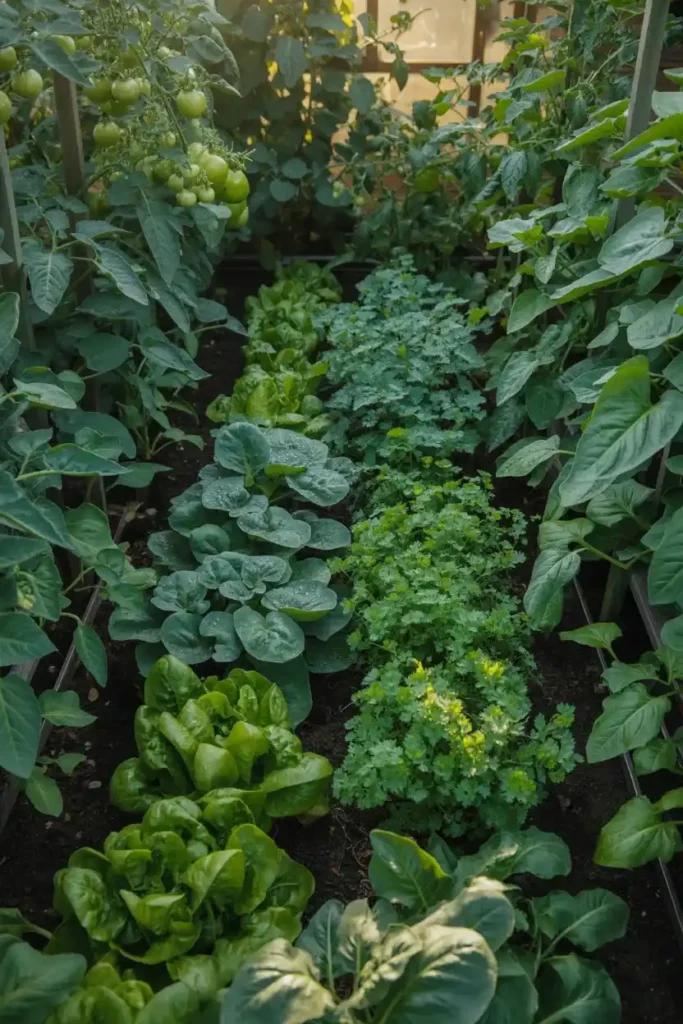
I use the shade created by my taller plants to grow cool weather crops. I plant lettuce, spinach, and cilantro underneath my tomatoes and peppers.
I find that the shade keeps these delicate greens from bolting in the summer heat. I get two crops from the same square footage.
I love how the ground cover acts as a living mulch to retain soil moisture. It creates a dense and lush look that suppresses weeds effectively. I think understanding plant partners is the key to small space success. It is nature working in harmony.
A Mini Guide to Maximizing Your Tiny Plot
I have learned that success in a small vegetable garden comes down to precision. I cannot afford to waste space or resources. I focus on three main pillars to keep my plants thriving in tight quarters. I find that when I get the soil, light, and water right, the plants basically grow themselves.
Choosing the Right Soil and Depth
I never use dirt from the ground for my containers. I find it compacts too much and suffocates the roots. I always use a high quality potting mix that is light and fluffy.
I pay close attention to the depth of my containers. I know that salad greens only need about four to six inches of soil. I provide at least eight to twelve inches for roots of larger plants like peppers.
I use five gallons of soil volume as a minimum for tomatoes to keep them happy. I ensure every single pot has drainage holes because soggy roots spell disaster.
Chasing the Sunlight
I track the sun across my space before I plant a single seed. I know that most fruiting vegetables like tomatoes and cucumbers crave at least six to eight hours of direct sunlight.
I place these crops in the brightest spots I have. I utilize the shadier corners for leafy greens and herbs that can tolerate as little as three or four hours of sun.
I sometimes use reflective mulch or white painted walls to bounce extra light onto my plants. I find this trick makes a huge difference in narrow alleyways or balconies.
Watering with Wisdom
I water my containers more frequently than ground soil because they dry out faster. I check the moisture daily by sticking my finger an inch into the soil.
I find that consistency is key to preventing problems like blossom end rot. I water deeply until I see water coming out of the bottom drainage holes. I prefer to water in the early morning to give the plants plenty of moisture for the day ahead.
I use saucers to catch excess water on hot days, but I empty them if the rain keeps things too wet.
FAQs
Embrace Small-Scale Gardening
I used to look at gardening magazines and feel jealous of the sprawling estates. I do not feel that way anymore. I have found that my small vegetable garden brings me just as much joy and fresh food. I love stepping out onto my balcony and grabbing ingredients for dinner.
I control the quality of my food and I connect with nature every single day. I hope these ideas inspire a new project at your place. I know that once you harvest that first tomato, you will be hooked just like I am.

I am Mindy Medford, a home décor, paint, and design specialist with over a decade of hands-on experience transforming ordinary spaces into cozy, personality-packed havens. Since 2013, I have been helping homeowners discover the art of beautiful yet practical design. I share my love for color, texture, and layout—making stylish interiors & exteriors feel achievable for everyone. Whether it’s picking the perfect paint shade or reimagining a small space, I’m here to guide and inspire.