20 Small Cottage Garden Ideas That Prove Size Does Not Matter
I used to think you needed a sprawling estate in the English countryside to have a proper cottage garden. You know the type I mean. The ones where you can get lost in a maze of hollyhocks and roses while wearing a dramatic sun hat. But then I moved into a place with a backyard the size of a postage stamp.
I realized something important. You do not need acres of land to create that romantic and unruly look. In fact, small spaces often make the best cottage gardens because every single plant gets its moment to shine.
20 Small Cottage Garden Ideas
1. Pack Plants Together for a Lush Look
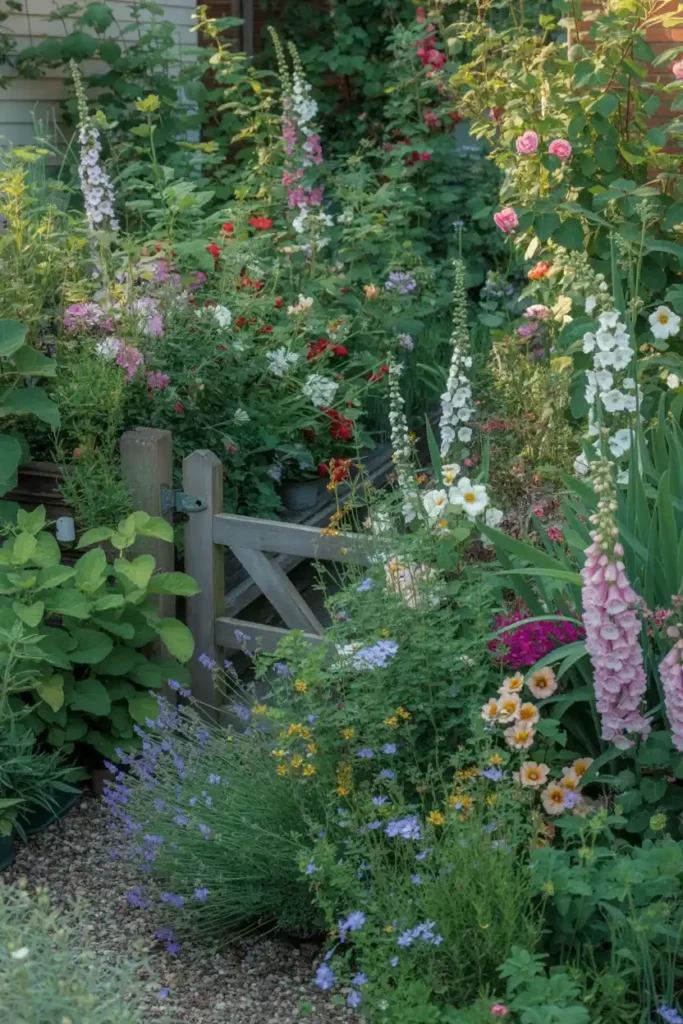
One of the best tricks I learned is to ignore the spacing rules on plant tags. Well, maybe not ignore them completely, but definitely bend them.
Cottage gardens are supposed to look full and overflowing. When you plant closely, you leave no room for soil to show through. This creates that abundance we all crave.
It also acts as a living mulch which helps retain moisture. Just keep an eye on airflow to prevent mildew issues.
2. Soften Hard Edges with Spillover Plants
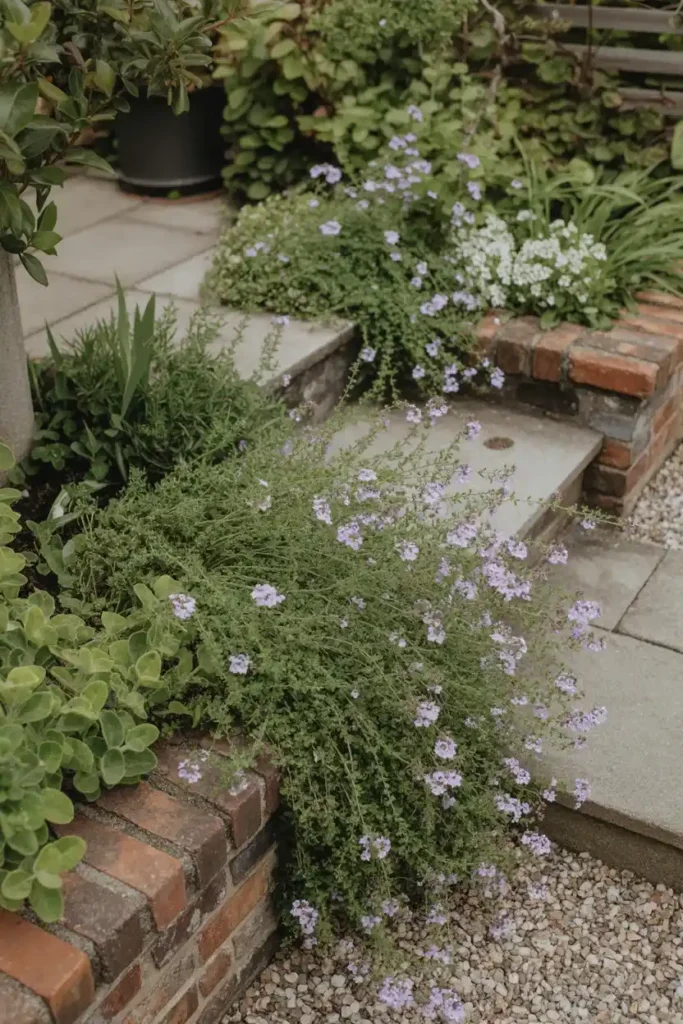
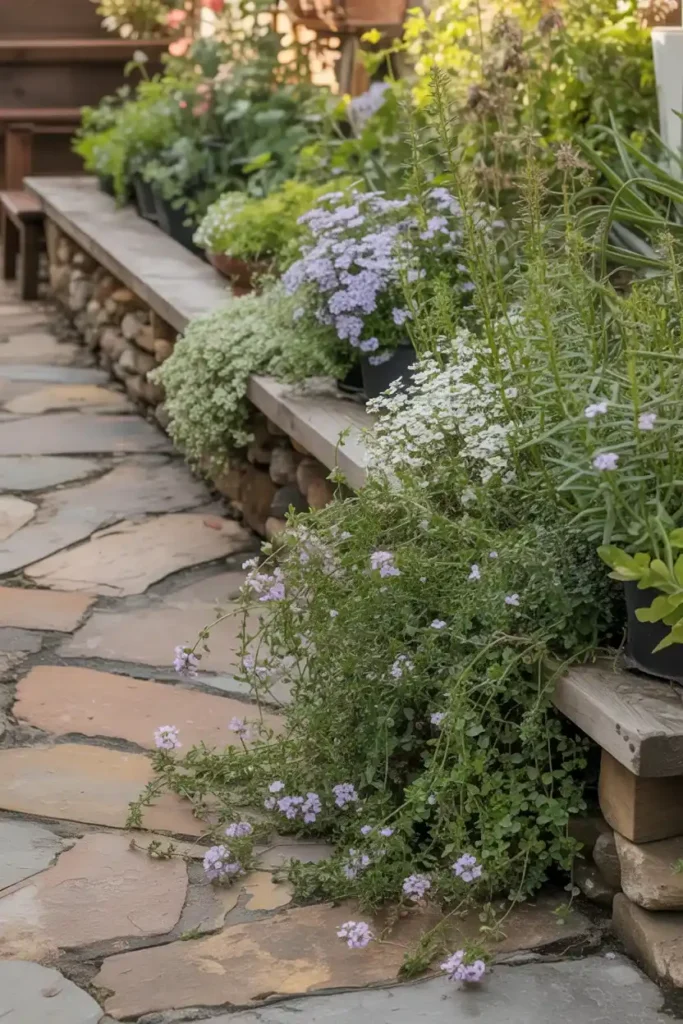
Nothing ruins the vibe faster than harsh concrete lines or rigid garden beds. I always plant creeping varieties right at the edge of my borders.
Plants like creeping thyme or alyssum work wonders here. They spill over onto pathways and soften the look instantly.
It makes the garden feel like it has been there for decades. Plus, it blurs the boundaries of your small space. This makes the area feel slightly larger than it actually is.
3. Use Vertical Space with Obelisks
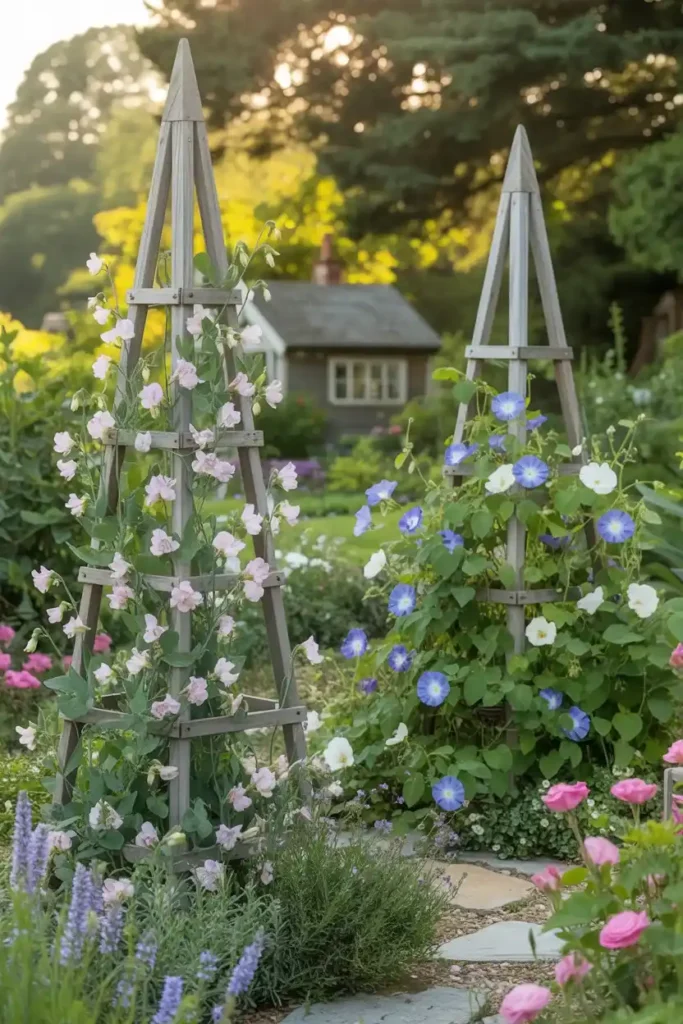
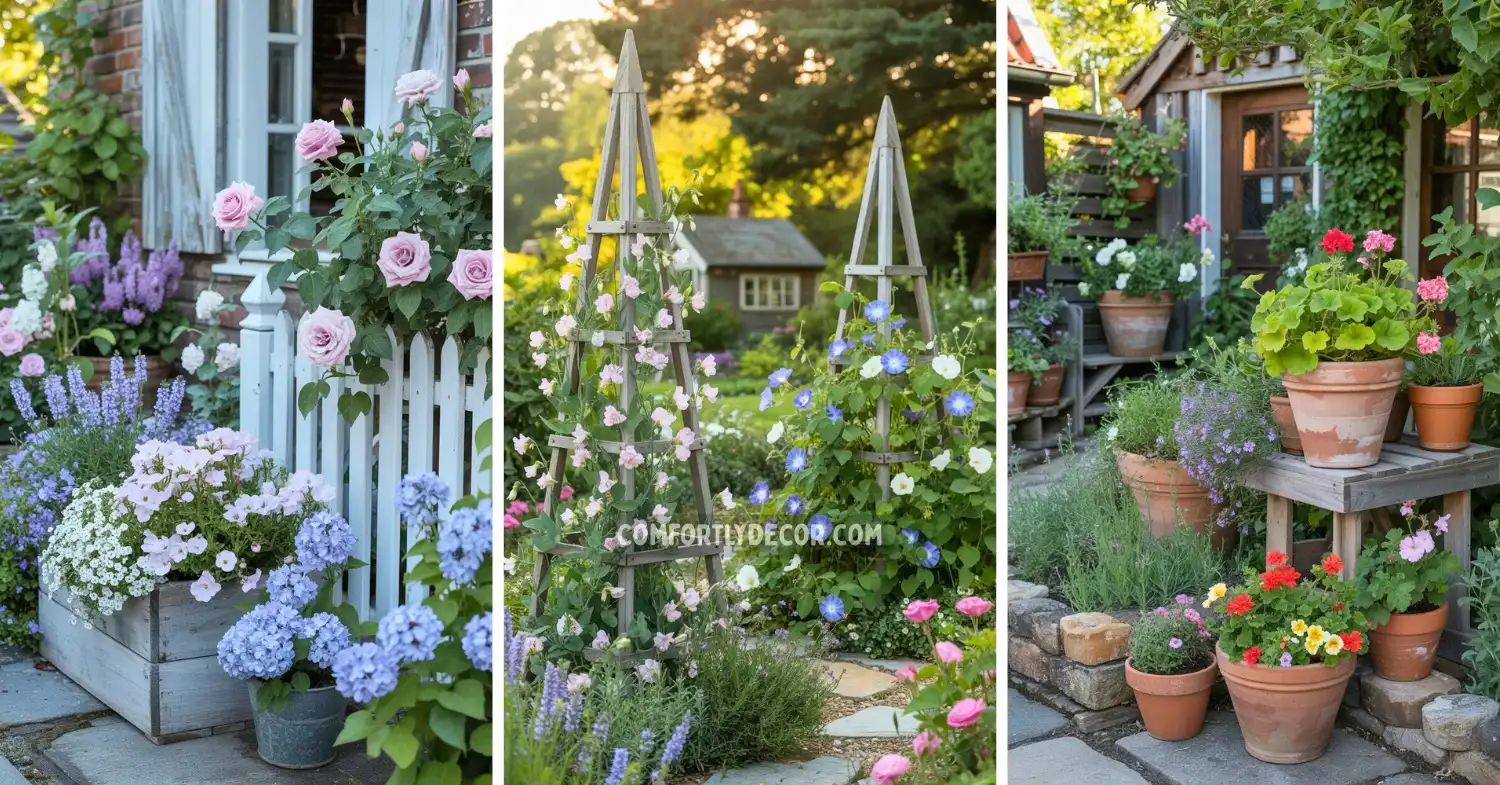
When you cannot grow out, you must grow up. I added two wooden obelisks to my garden last year and they completely changed the dynamic. They draw the eye upward and add much needed height.
You can grow sweet peas or morning glories on them for quick color. It adds architectural interest even in winter when the vines die back.
Vertical elements stop the garden from looking flat and one dimensional.
4. Install A Picket Fence
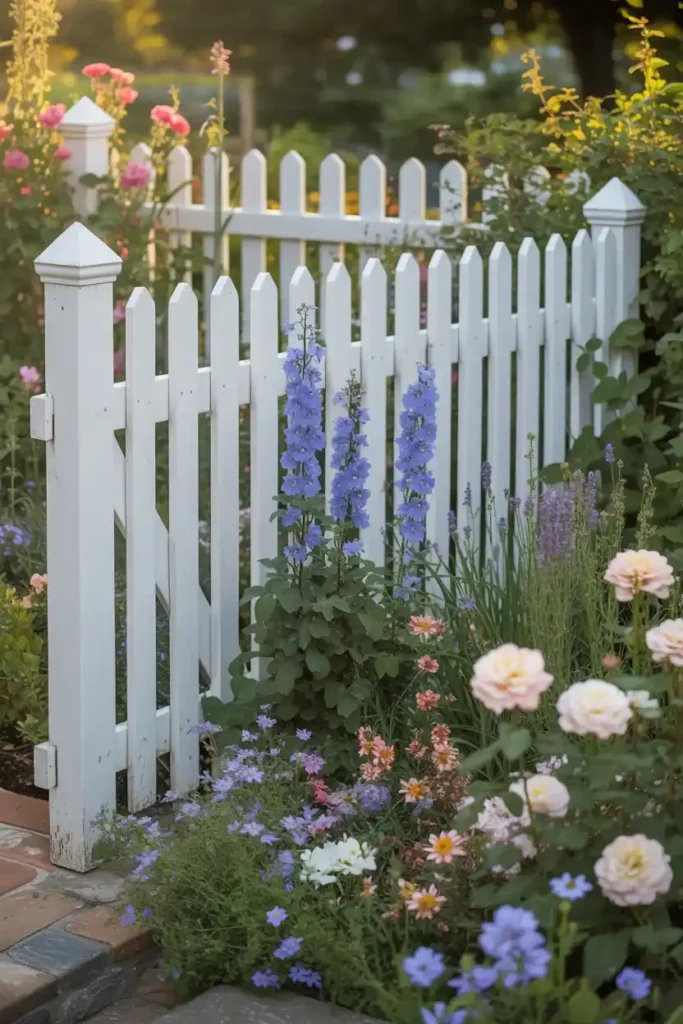
Is it even a cottage garden without a picket fence? I think not. Even a small section of fencing can define a space beautifully. You do not need to fence the entire perimeter.
A short run of white picket fence can act as a backdrop for tall perennials. It gives your delphiniums something to lean against when the wind picks up.
It also provides that classic structure that contrasts so well with messy planting.
5. Plant Old Fashioned Roses
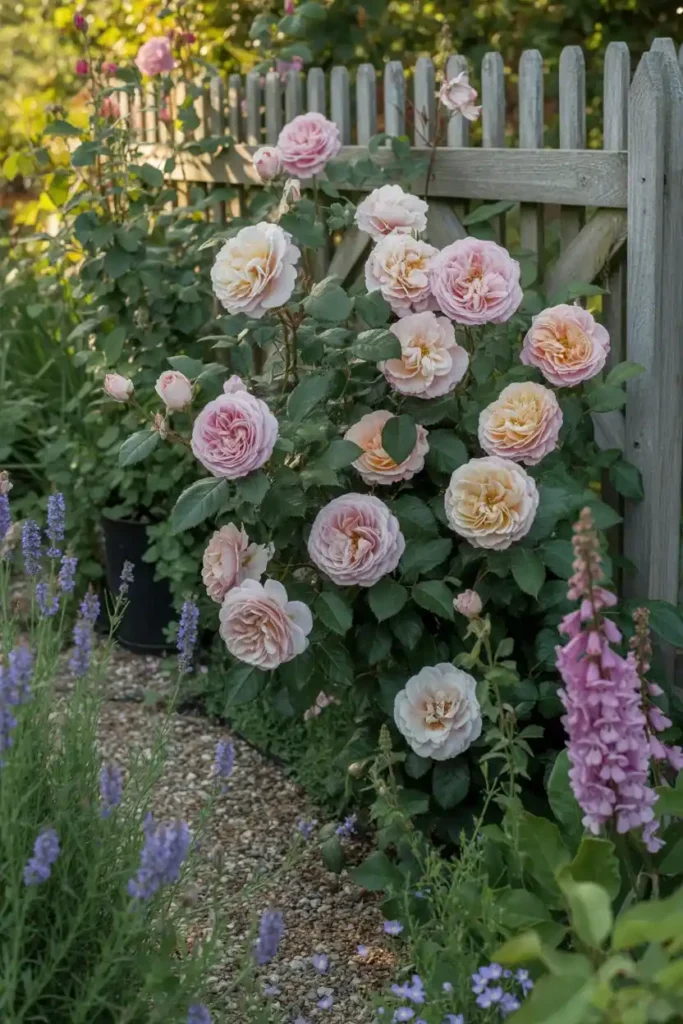
You simply must have roses. But forget about those fussy hybrid teas that look like soldiers in a row.
I prefer shrub roses or climbers that offer fragrance and a high petal count. David Austin varieties are my absolute favorite for this style. They look vintage but have modern disease resistance.
Even one well placed rose bush can anchor a small garden. Just be sure to deadhead them to keep the blooms coming.
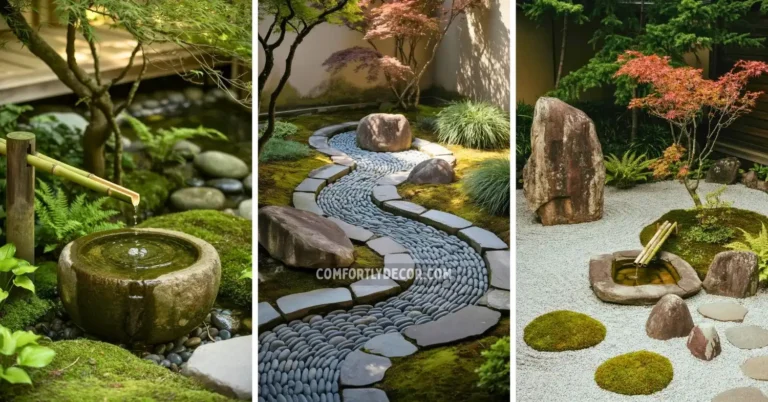
6. Create a Narrow Winding Path
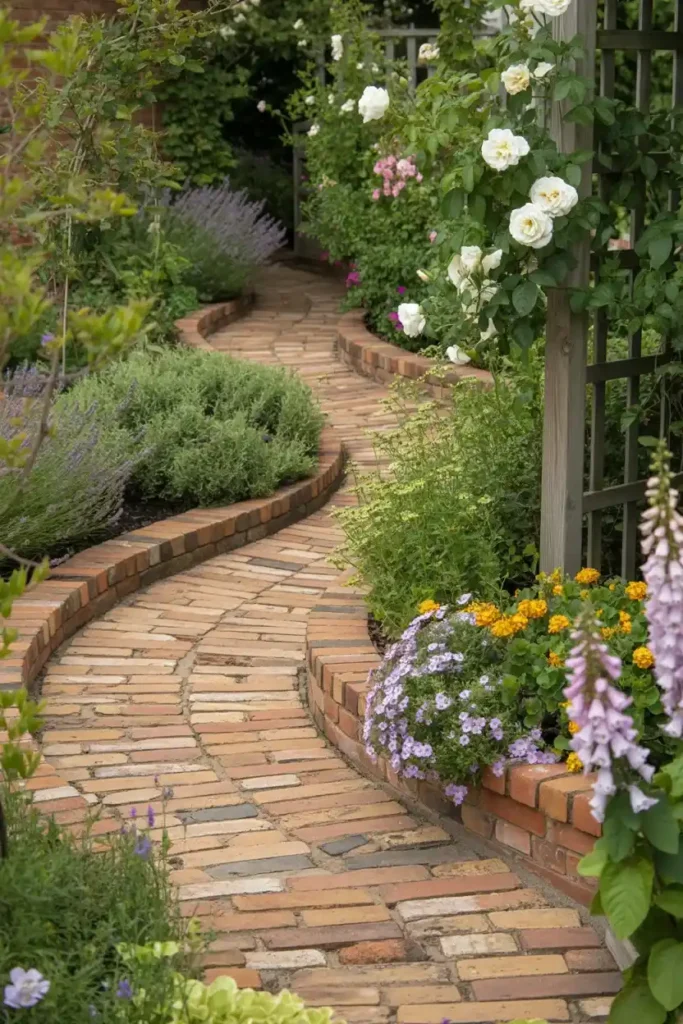
Straight paths are far too formal for this look. I laid out a curved path using reclaimed bricks and it made a huge difference. The curve forces you to slow down and look at the plants.
In a small garden, a winding path creates an illusion of distance. You cannot see the end from the beginning which adds mystery. It makes a ten foot walk feel like a journey.
7. Mix Edibles with Ornamentals
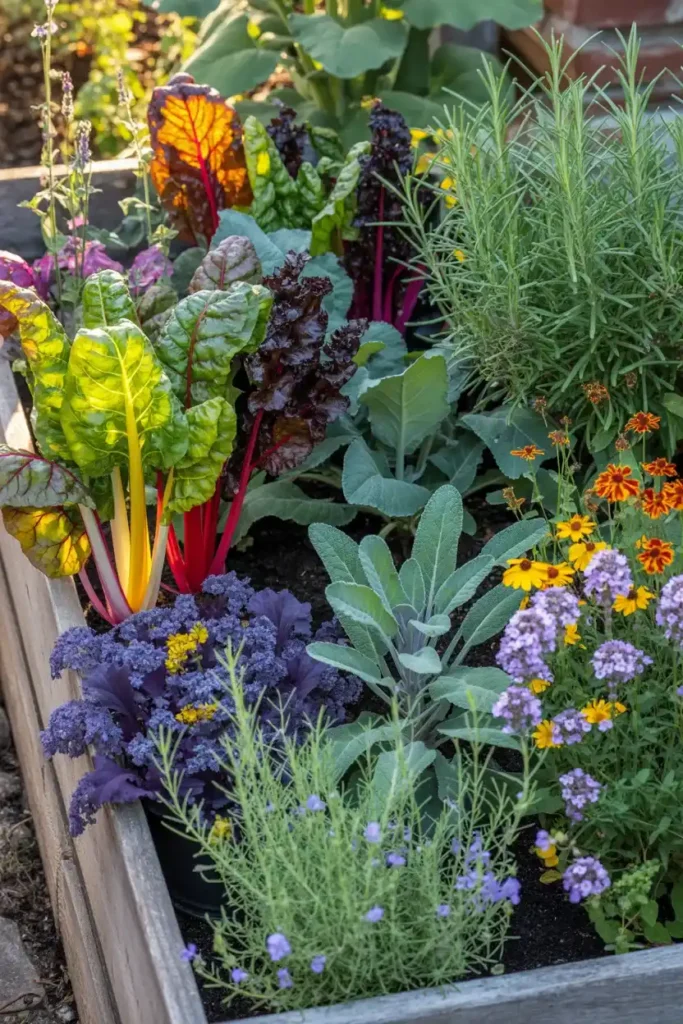
Who says vegetables have to stay in their own designated bed? I throw kale and swiss chard right in with my flowers. The textures are fantastic and they look beautiful.
Rainbow chard stems add a pop of neon color that rivals any bloom. Herbs like sage and rosemary fit perfectly into a cottage scheme too.
It utilizes every inch of soil which is crucial in small gardens.
8. Add a Bird Bath as a Focal Point
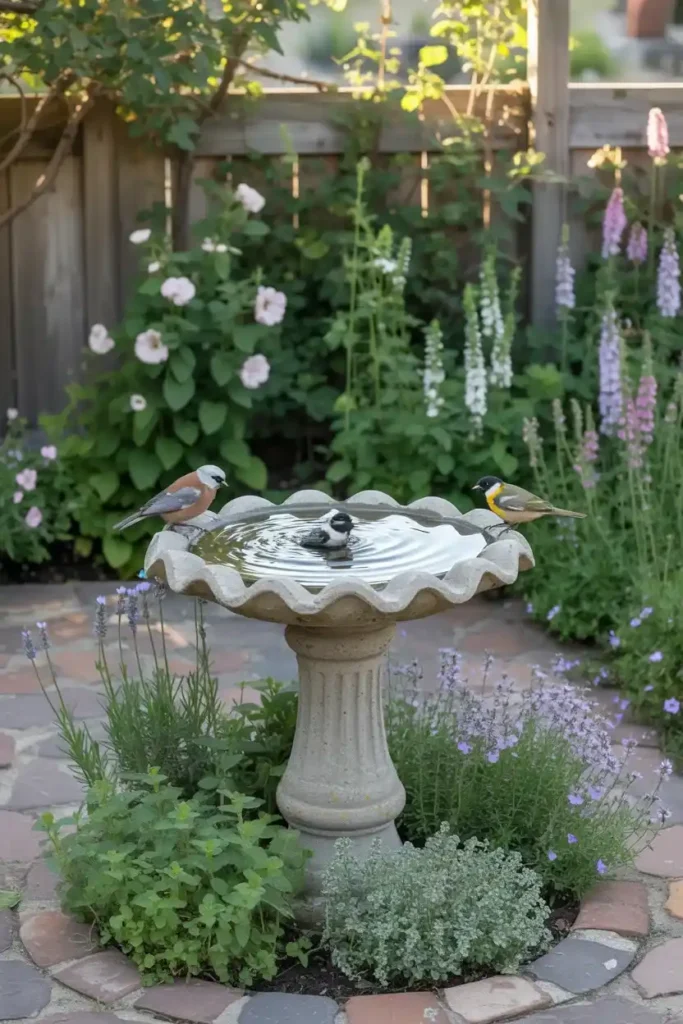
Every garden needs a centerpiece to rest the eye. I found an old concrete bird bath at a flea market and placed it in the center of a bed.
It attracts wildlife which adds movement and life to the space. The sound of splashing water creates a serene atmosphere.
Surround it with lower growing plants so it stands out. It breaks up the planting and gives the garden a sense of purpose.
9. Embrace Self Seeding Plants
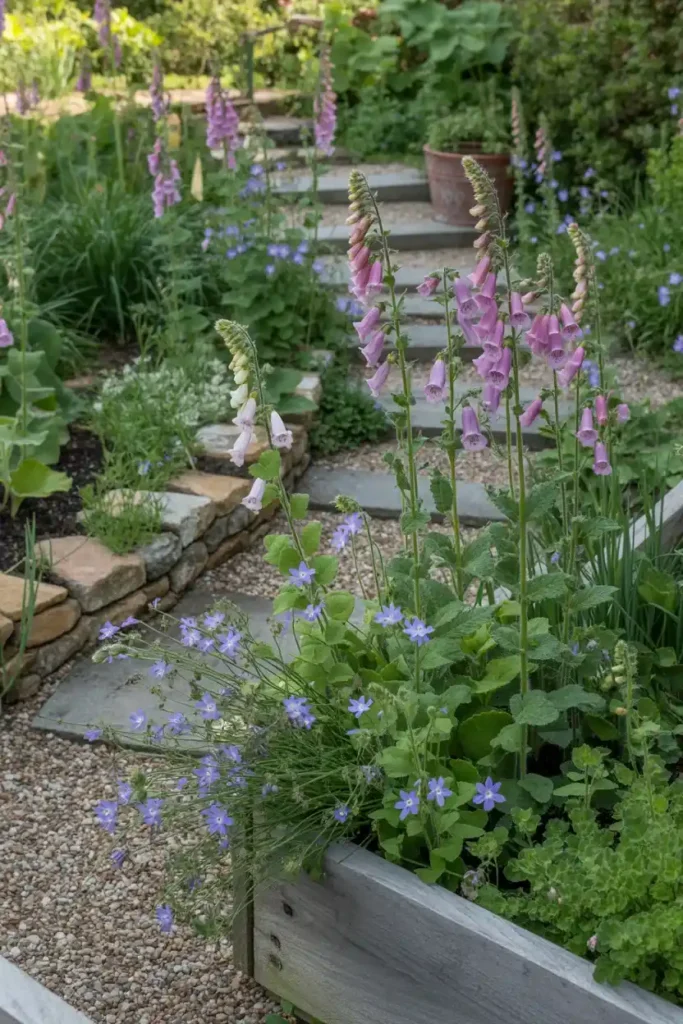
I let plants wander where they please. Plants like foxgloves and columbines drop seeds and pop up in the most unexpected places. This serendipity is the heart of the cottage garden style.
If a seedling lands in a pathway, I usually let it stay. It looks natural and effortless. You can always pull them up if they get too aggressive. But usually, nature designs better than we do.
10. Use Containers to Add Layers
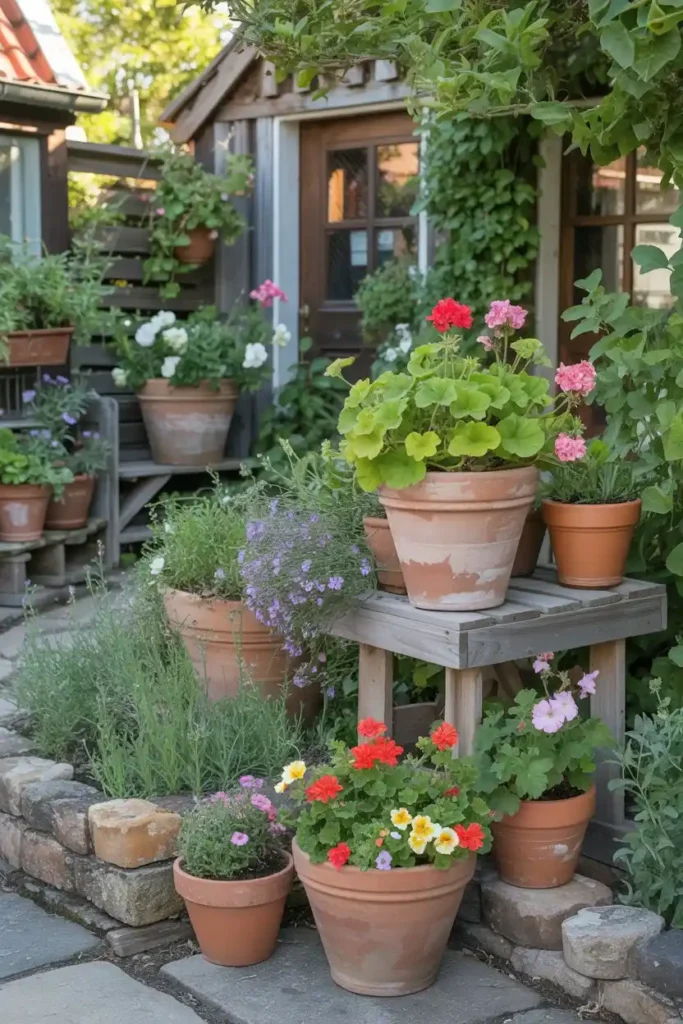
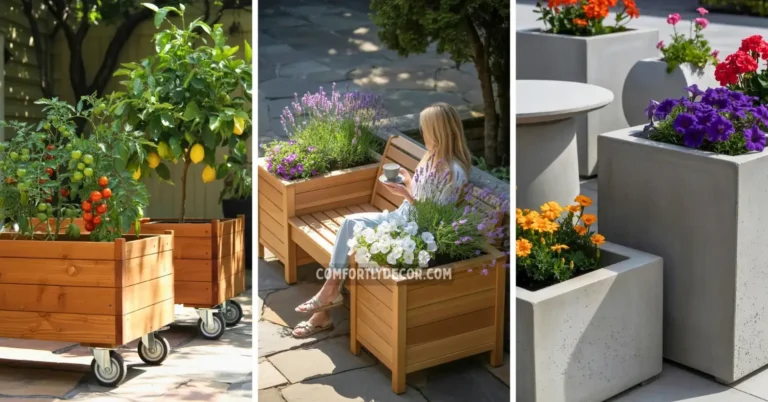
Pots are not just for patios. I tuck terracotta pots right into my garden beds to add height and interest. It allows me to grow plants that might not love my native soil.
You can move them around to fill gaps when blooms fade. A cluster of pots near the back door creates a lovely vignette. It creates depth and makes the garden feel fuller.
11. Plant Hollyhocks for Drama
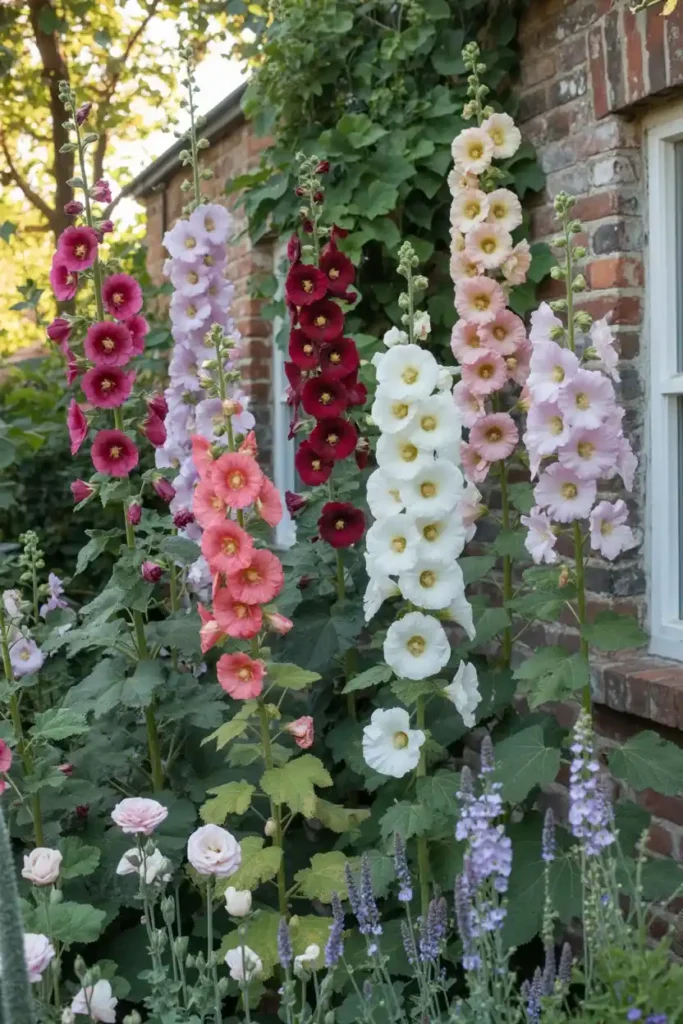
If you want instant cottage charm, plant hollyhocks. These tall towers of blooms scream English countryside.
I plant them at the back of the border or against a wall. They come in amazing colors from almost black to pale pink. They are biennials so you have to be patient.
But once they bloom, they are absolute showstoppers. Just watch out for rust on the leaves.
12. Incorporate Rustic Furniture
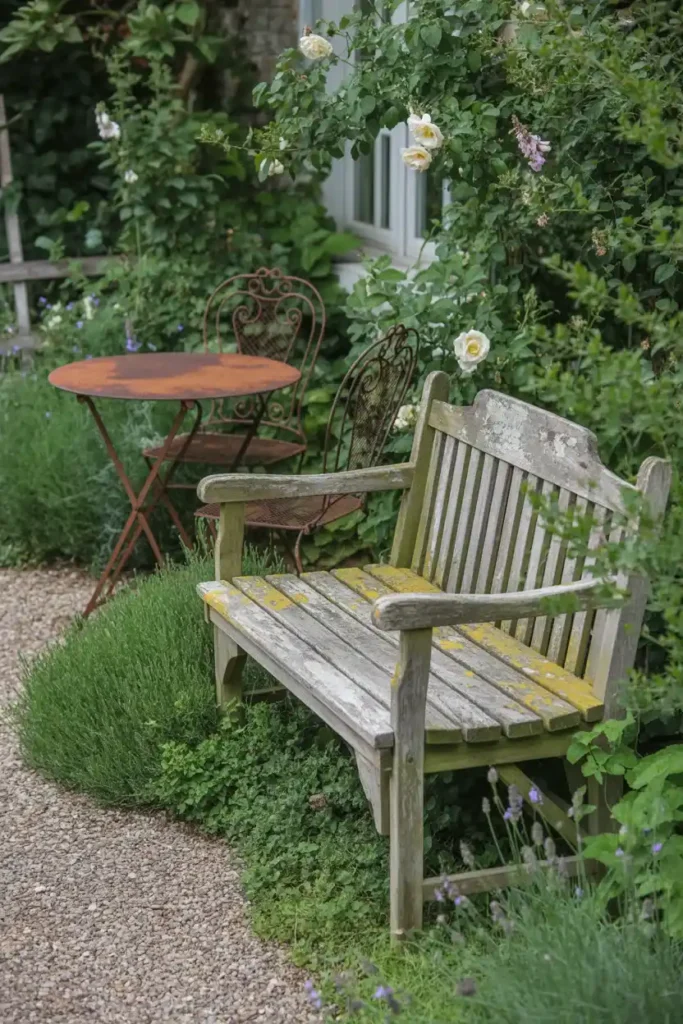
A shiny new metal bench looks out of place here. I look for weathered wood or rusted metal furniture.
A small bistro set tucked into a corner looks inviting even if you never sit there. It suggests that the garden is a living space.
I let moss grow on my garden bench for extra character. It reinforces that relaxed and lived in feeling we are aiming for.
13. Choose a Pastel Color Palette
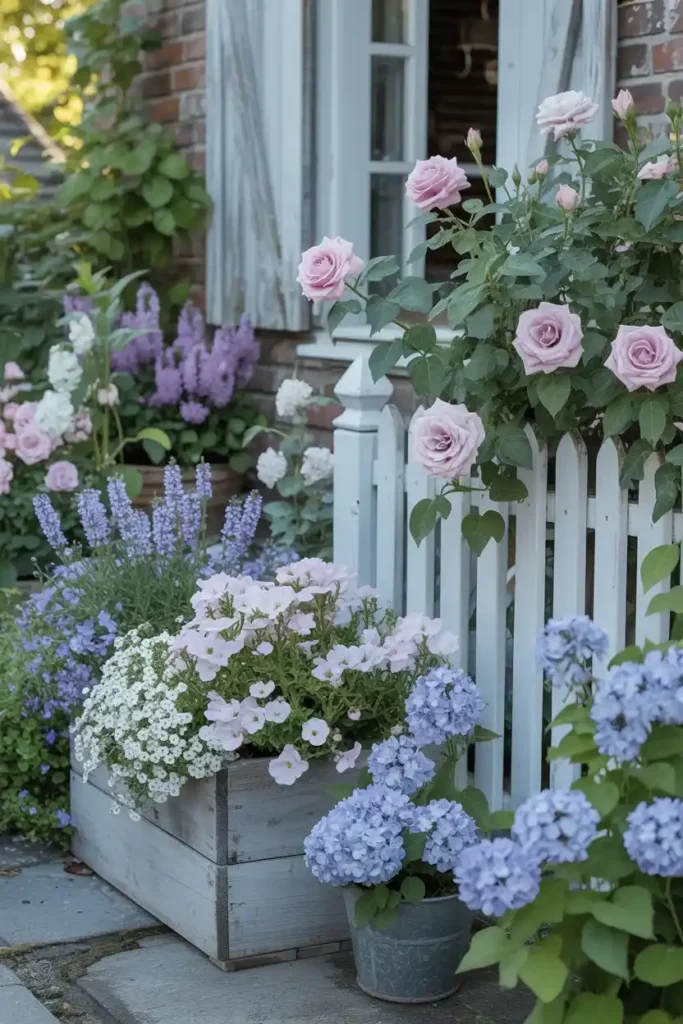
I stick to soft colors to keep the small space from feeling chaotic. Pinks, purples, blues, and whites are my go to shades. These cool tones recede visually which makes the space feel larger.
Hot colors like red and orange can make a small space feel closed in. A harmonious color scheme creates a sense of calm. It looks cohesive rather than cluttered.
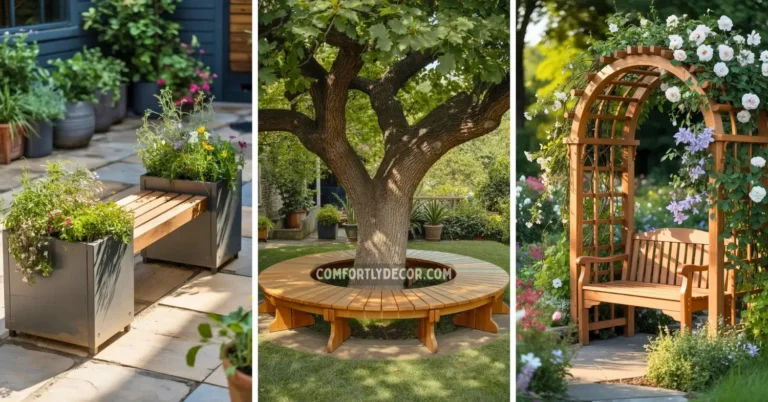
14. Add A Wooden Arbor
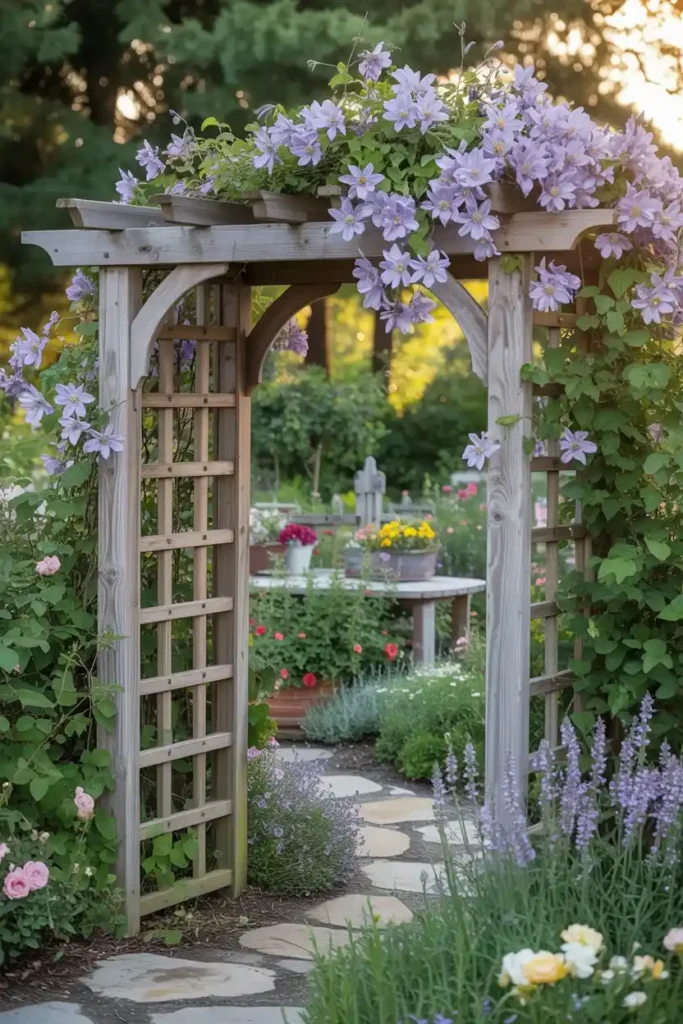
An arbor over a pathway or gate is a classic touch. It frames the view and gives you another place to grow climbers. I grow a clematis on mine and the cascading flowers are stunning.
It creates a doorway into your garden sanctuary. Even in a tiny yard, passing through an arbor feels like entering a different world. It creates a sense of transition and enclosure.
15. Plant Heavily Scented Flowers
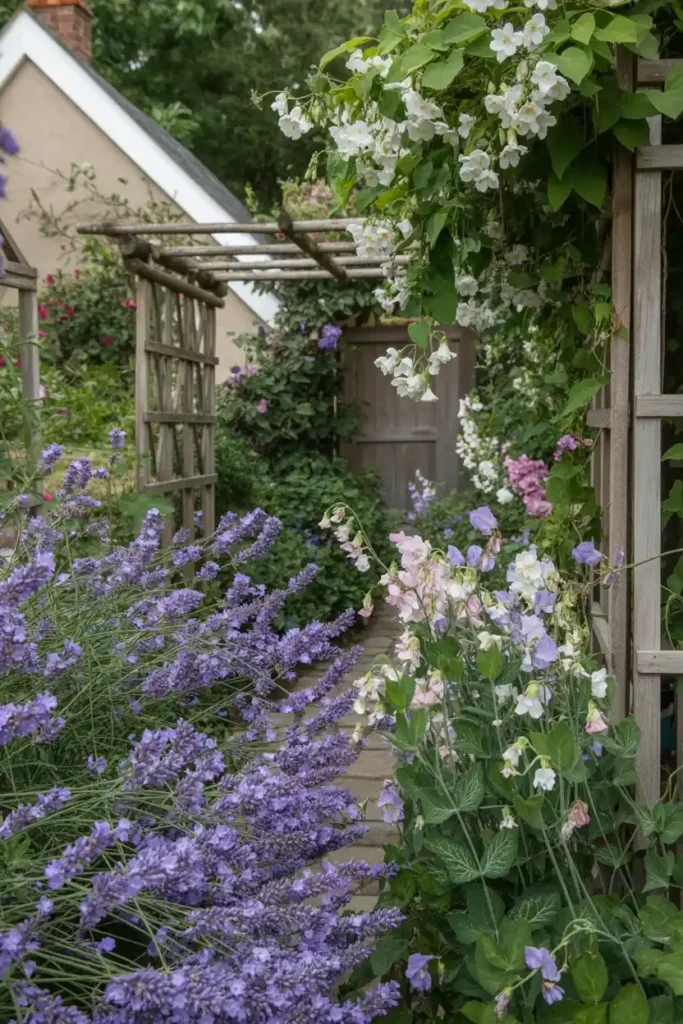
A cottage garden should smell as good as it looks. I prioritize fragrance when choosing plants for my small space.
Lavender, jasmine, and sweet peas are non negotiables. When you brush past them on a narrow path, the scent is released.
It engages another sense and makes the garden experience immersive. Scent triggers memory better than anything else.
16. Use Gravel for Informal Paving
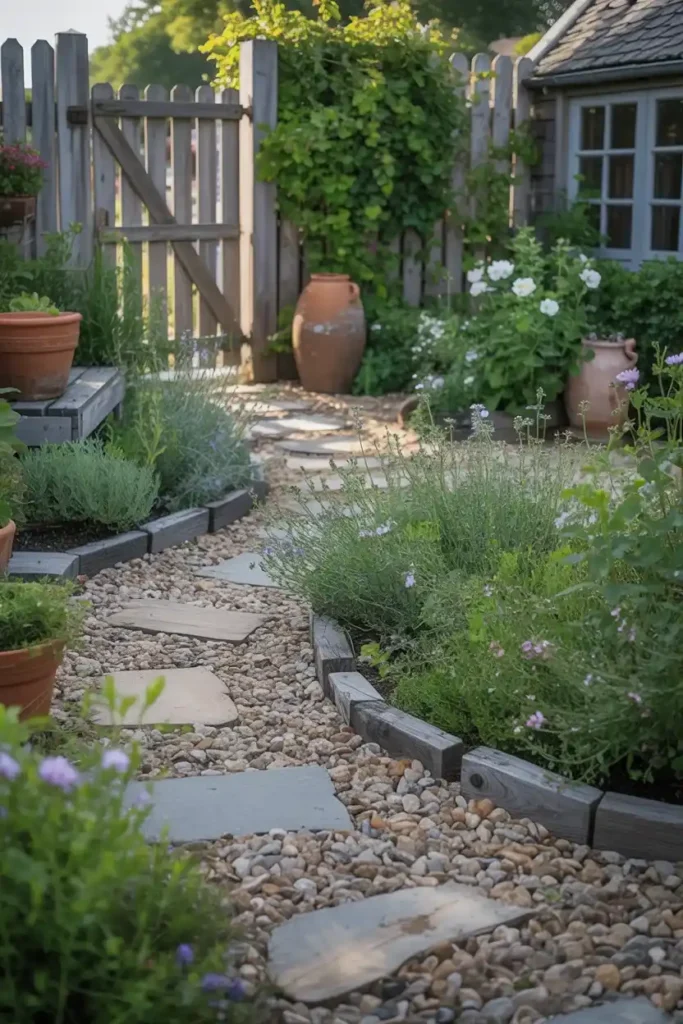
Gravel is the perfect flooring for a cottage garden. It is softer and more organic than pavers or concrete.
I love the crunch sound it makes when you walk on it. It drains well and keeps weeds down if you use a barrier underneath.
Plus, self seeding plants love to pop up in gravel. It gives that relaxed and unmanicured look that is essential.
17. Layer Your Planting Heights
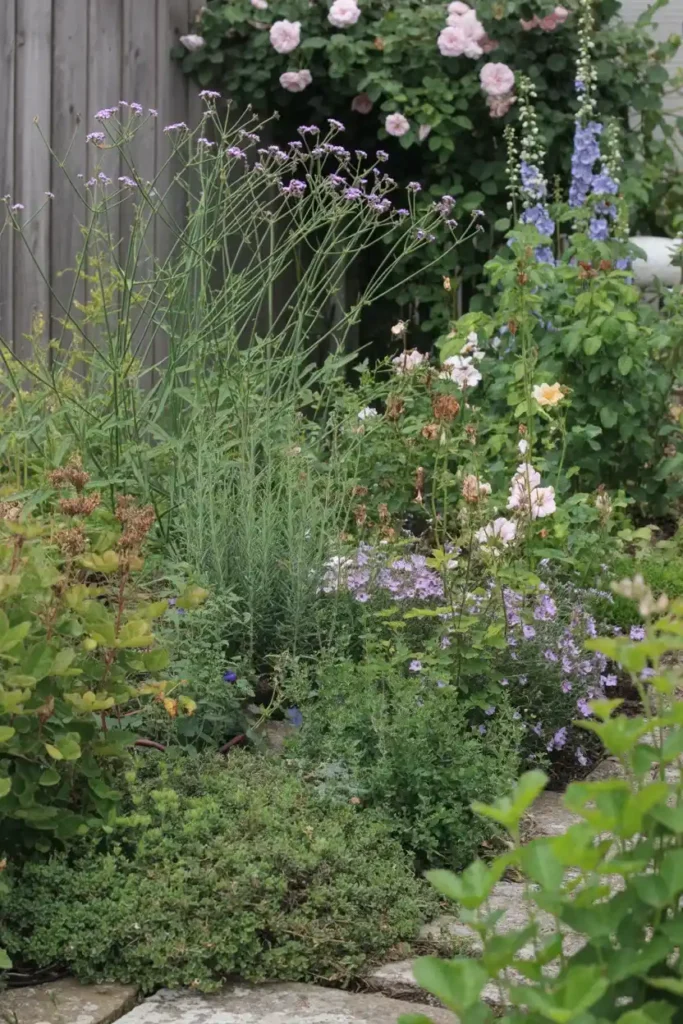
I try to avoid having all my plants at the same height. You need highs, mediums, and lows to create visual interest.
The classic approach is tall at the back and short at the front. But I like to mix it up a bit.
A tall verbena bonariensis at the front of a border looks airy and see through. This layering creates depth and mimics how plants grow in nature.
18. Include Decorative Antiques
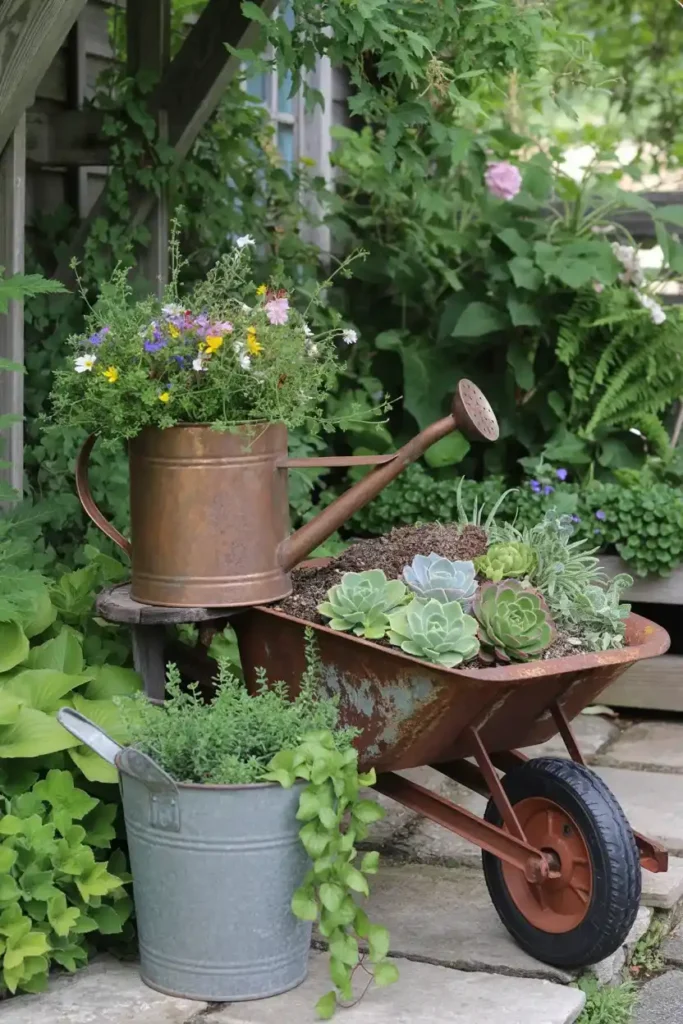
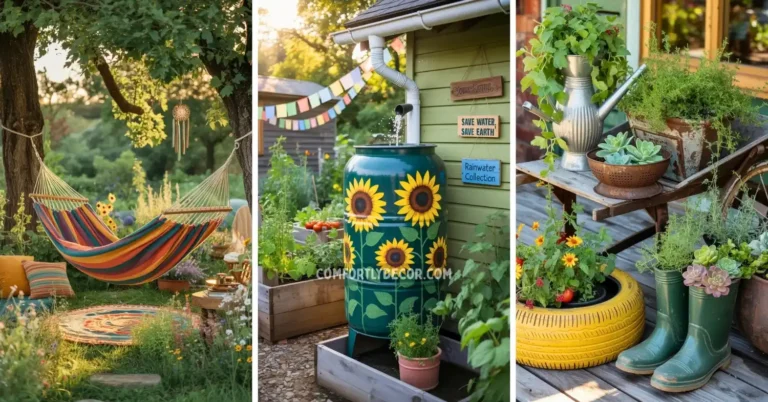
I scatter interesting objects throughout the foliage. An old watering can or a galvanized bucket makes a great planter.
I have a rusty wheelbarrow filled with succulents that looks great. These items add personality and tell a story.
Just do not overdo it or it can look like a junk yard. One or two key pieces are plenty for a small area.
19. Grow Hydrangeas for Volume
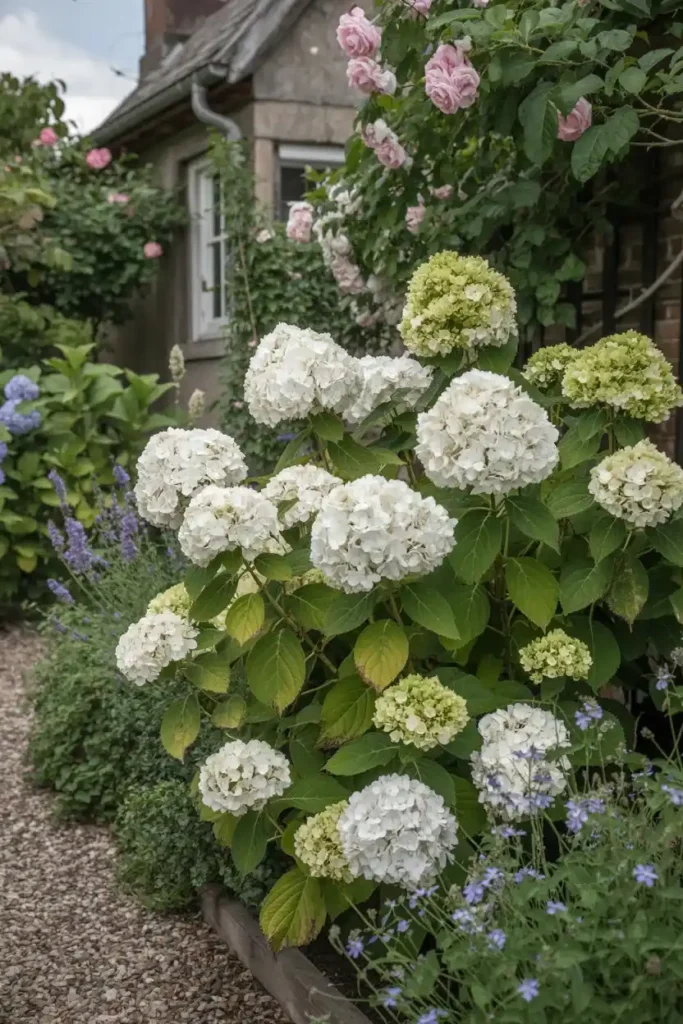
Hydrangeas are the workhorses of the cottage garden. Their massive flower heads fill a lot of visual space.
I love ‘Annabelle’ for its huge white pom poms that fade to green. They bloom for a long time and dry beautifully on the bush. Also, they provide structure when other perennials are fading. They are reliable and demand very little attention.
20. Edge Beds with Natural Materials
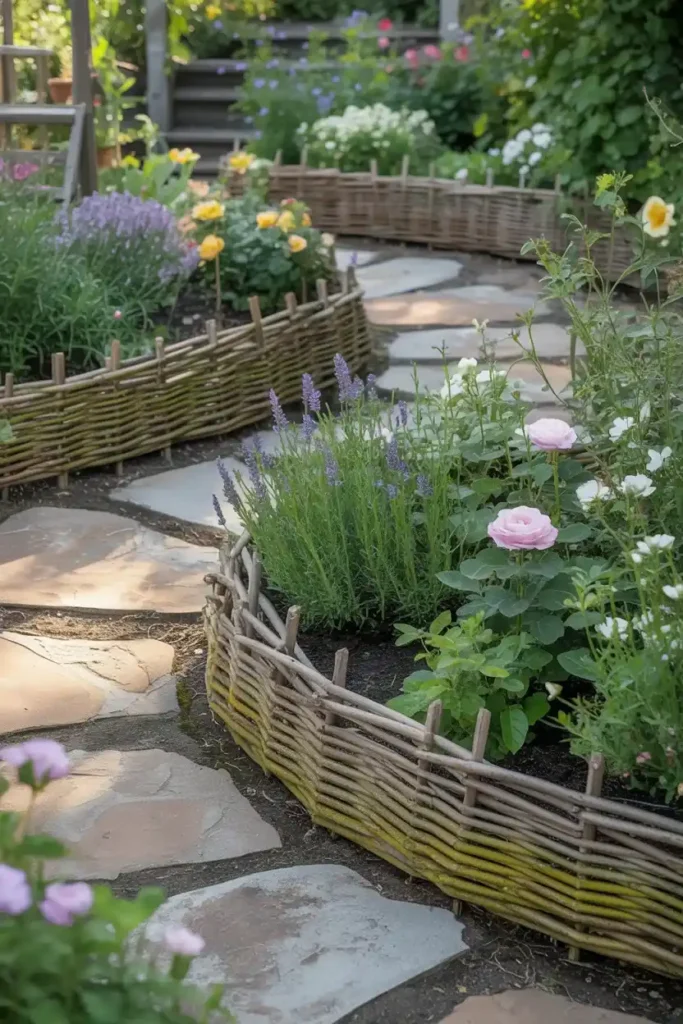
Plastic edging is a hard no for me. I use natural stone or woven willow to edge my beds. It looks organic and blends in with the planting.
You can even use fallen branches to create a rustic border. It defines the bed without drawing attention to the edging itself. This keeps the focus on the beautiful plants.
IMO, natural materials always age better too.
How to Build Your Small Cottage Garden from Scratch
Starting a garden from zero can feel overwhelming. I remember standing in my dirt patch wondering where to begin.
But building a cottage garden is actually quite forgiving because mistakes are part of the charm. You just need a plan and a bit of patience.
Prepare the Soil Like You Mean It
You cannot have lush growth without good dirt. I learned this the hard way after my first year of stunted plants. You need to dig in organic matter.
Compost or well rotted manure is gold. It improves drainage in clay soil and water retention in sandy soil. I add a layer of compost every single spring.
Map Out Your Hardscape
Figure out where your paths and beds go first. In a small space, the hardscape dictates the flow. Lay out a garden hose to test curve shapes before you dig.
Make sure your path is wide enough for a wheelbarrow. Trust me on this one. Once the hardscape is in, the rest is just coloring in the lines.
Choose Your Anchor Plants
Pick your trees and shrubs first. These are the bones of the garden. In a small space, you might only have room for one small tree like a crabapple.
Place your evergreens so the garden does not look bare in winter. Once these big pieces are in place, you can see where the gaps are.
Fill the Gaps with Perennials and Annuals
This is the fun part. Buy plants in odd numbers like threes or fives. It looks more natural than even numbers.
Plant your perennials first and then use annuals to fill the empty spaces while they grow. Annuals are great because they bloom all season long.
Do not be afraid to move things if they do not look right.
FAQs
Why Small Cottage Gardens Are the Best Gardens
Having a small cottage garden is not a compromise. It is a focused opportunity to create something truly magical. You can tend to every square inch without breaking your back. You can afford to splurge on better soil and nicer plants because you need less of them.
When I look out at my little patch of chaos, I feel a sense of peace. It is imperfect and wild and colorful. It invites bees and butterflies right up to my back door. You do not need a grand estate to experience that joy. You just need to be willing to break a few rules and get your hands dirty.

I am Mindy Medford, a home décor, paint, and design specialist with over a decade of hands-on experience transforming ordinary spaces into cozy, personality-packed havens. Since 2013, I have been helping homeowners discover the art of beautiful yet practical design. I share my love for color, texture, and layout—making stylish interiors & exteriors feel achievable for everyone. Whether it’s picking the perfect paint shade or reimagining a small space, I’m here to guide and inspire.