How to Paint A Brick Exterior
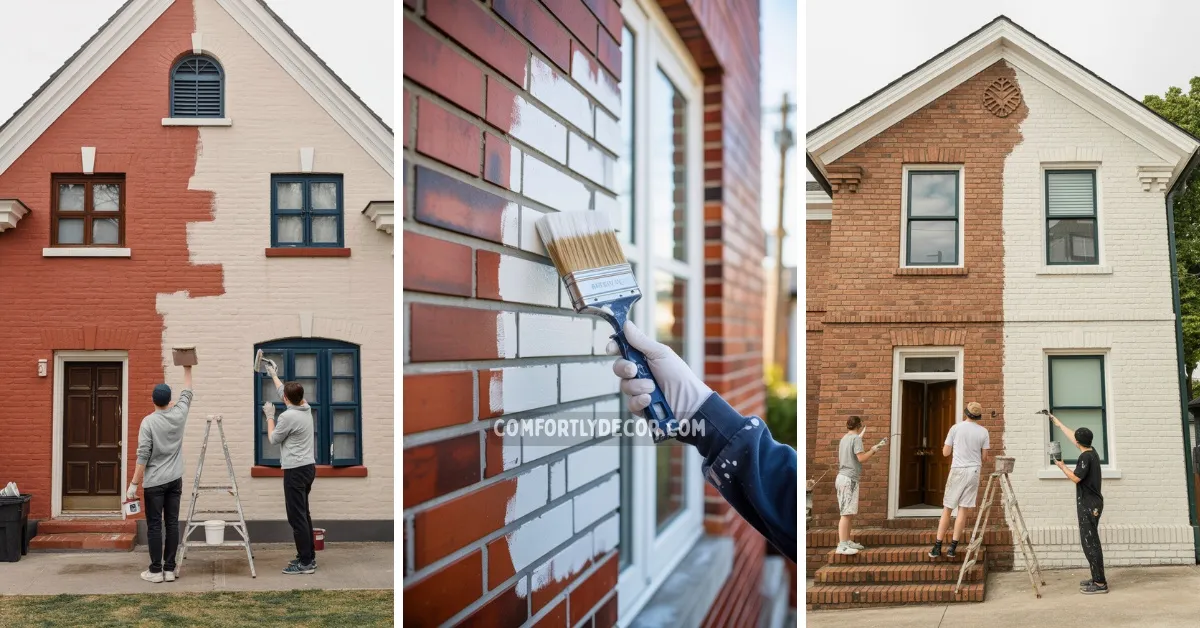
Thinking about painting your brick exterior? Good idea. It is one of the best ways to give your home a dramatic makeover. If your brick is looking a bit dated, discolored, or just plain mismatched, a fresh coat of paint can work wonders. I have seen it completely transform a house from forgettable to fabulous.
But before you grab the nearest paint can, I need to tell you a few things. Painting brick is not as simple as slapping on some color. It requires specific steps and materials to get it right.
Step 1: Should I Even Paint This Brick?
First things first, not all brick is a good candidate for painting. If your brick is chipping, crumbling, or showing signs of spalling, you should not paint it.
Painting damaged brick will just trap moisture and make the problem worse. You need to fix any structural issues before you even think about paint.
Also, check for moisture. A simple test is to tape a plastic bag to a section of the brick. If you see condensation under the plastic after a day, you have a moisture issue that needs addressing.
Step 2: Choosing the Right Paint
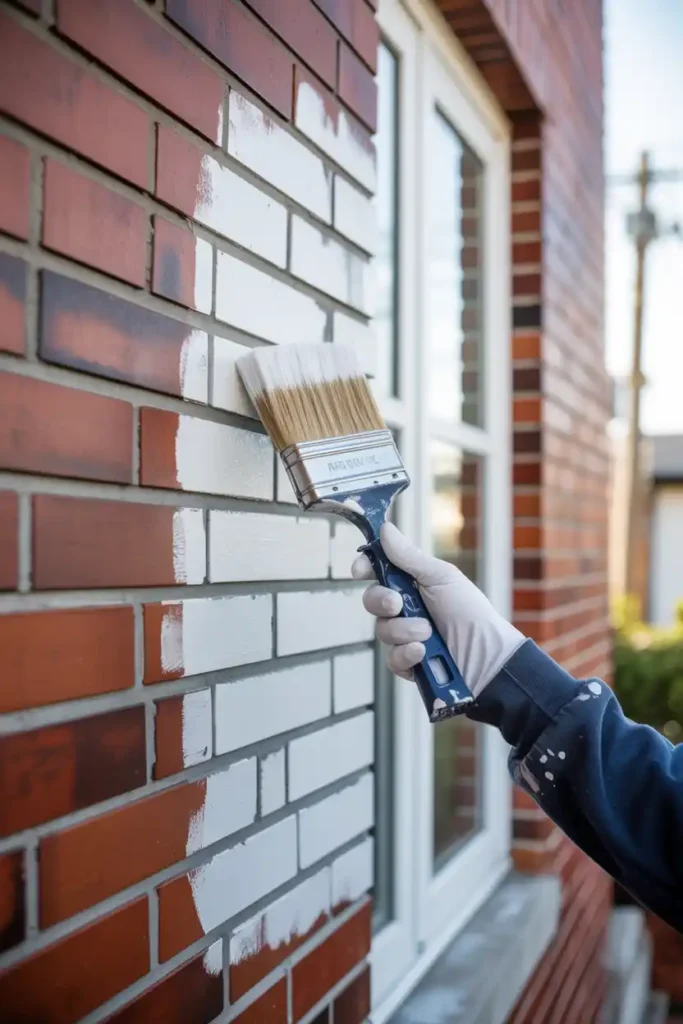
This is where many people go wrong. You cannot use just any exterior paint on brick. Brick needs to breathe, so you must use a breathable paint. Your main choices are masonry paint, elastomeric paint, and high quality acrylic latex paint.
Masonry paint is designed specifically for brick and stone. It allows moisture to escape. Elastomeric paint is thicker and can bridge small cracks, but it is less breathable.
Acrylic latex is a solid choice as long as it is a premium exterior grade formula. Also, a masonry primer is mandatory. I cannot stress this enough.
Step 3: Prepping the Brick Surface
Proper prep work is the key to a lasting paint job. Start by giving the brick a deep clean. I recommend a pressure washer set to a low to medium PSI.
You do not want to damage the brick or mortar. This removes all the dirt, grime, and mildew. Next, repair any cracks in the mortar.
You can find mortar repair caulk at any hardware store. Let the brick dry completely for at least 24 to 48 hours before you move on to priming. Do not rush this step.
Step 4: Applying Masonry Primer
Remember when I said masonry primer is mandatory? I am saying it again. Standard primers will trap moisture and cause the paint to fail. Use a high quality masonry primer.
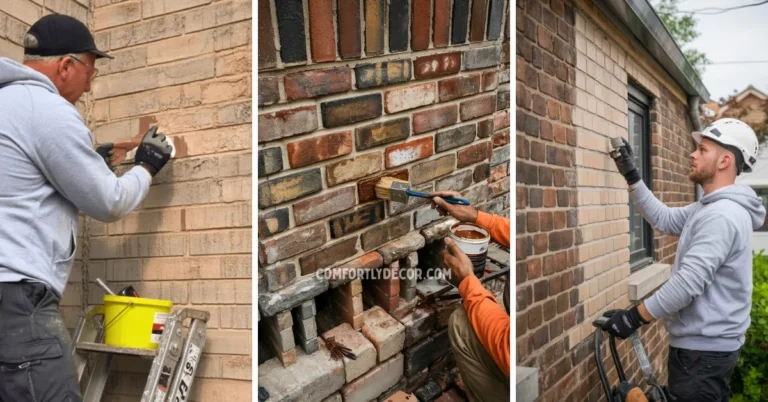
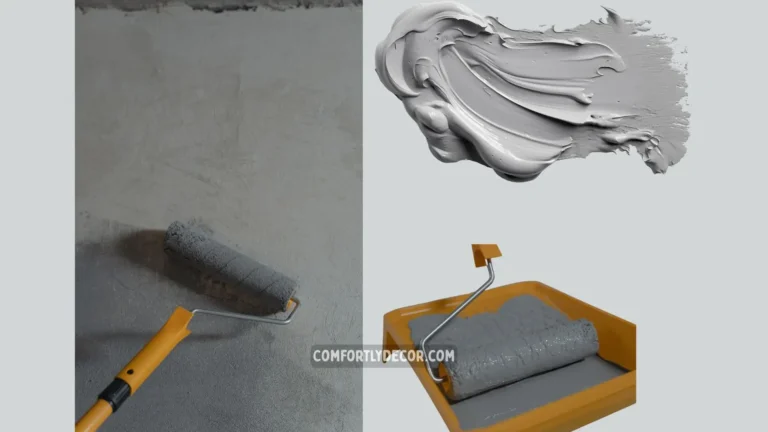
When applying it, I find a roller with a thick nap works best to get into all the nooks and crannies of the brick. You can also use a paint sprayer for a faster application.
Make sure you let the primer cure completely according to the manufacturer’s instructions before you start painting. This is a crucial step for long term adhesion.
Step 5: Applying the Exterior Brick Paint
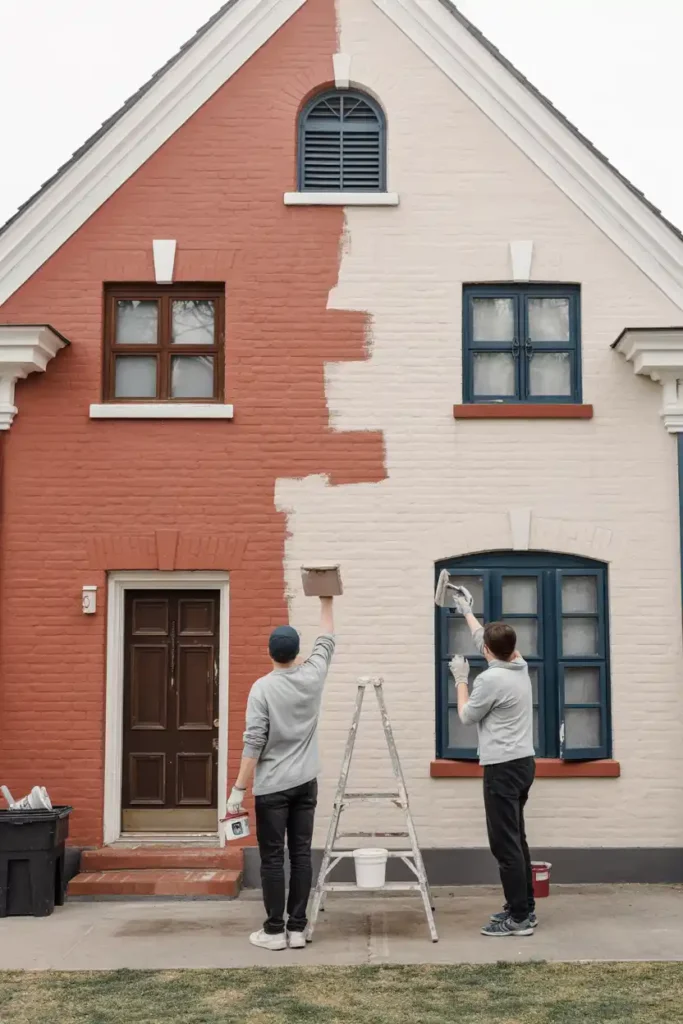
Now for the fun part. Apply at least two coats of your chosen exterior brick paint. This ensures full coverage and a vibrant, even color.
Whether you are rolling or spraying, work in a consistent direction to avoid streaks. The best weather for painting is a dry day with temperatures between 50 and 90 degrees Fahrenheit.
Avoid painting in direct sunlight or when it is too humid, as this can affect how the paint dries and adheres. Patience here pays off, IMO.
Step 6: To Seal or Not to Seal?
This is a common question. Sealing the painted brick can add another layer of protection, but you have to be careful. Using a non breathable sealant will ruin all your hard work by trapping moisture.
If you decide to seal, you must use a breathable, silane or siloxane based sealant. In most cases, if you use a high quality paint, a sealant is not necessary. FYI, I usually skip the sealant unless the brick is in a very high moisture area.
Mistakes to Avoid
Here are some common mistakes I see people make. Do not paint unprimed brick. I think I have made my point on that.
Also, avoid painting when it is too cold or too hot. The paint will not cure properly. And please, do not choose a flat white paint for high traffic areas. It will show every speck of dirt and look dingy in no time.
Opt for a satin or eggshell finish for easier cleaning.
Tips for Long Term Durability
If you live in a sunny climate, use a UV resistant paint. This will prevent the color from fading over time. When it is time to clean your painted brick, use only soft pressure washing. High pressure can peel the paint right off.
A little maintenance goes a long way in keeping your painted brick looking fresh for years. A little bit of care will ensure your hard work lasts.
Budget and Time Breakdown
Let’s talk numbers. The cost to paint a brick exterior can vary widely. If you do it yourself, you can expect to spend around one to two dollars per square foot on materials.
Hiring a professional painter will cost significantly more, usually between three and seven dollars per square foot.
The project can take anywhere from a few days to a week, depending on the size of your house and the weather.
A Modern Update for Your Home
Painting a brick exterior is a high impact project that can completely modernize your home. When you do it correctly with the right breathable coatings and proper prep work, the results are stunning and durable.
It is a fantastic way to boost your curb appeal and fall in love with your house all over again. So, are you ready to give your brick a fresh new look?
FAQs

I am Mindy Medford, a home décor, paint, and design specialist with over a decade of hands-on experience transforming ordinary spaces into cozy, personality-packed havens. Since 2013, I have been helping homeowners discover the art of beautiful yet practical design. I share my love for color, texture, and layout—making stylish interiors & exteriors feel achievable for everyone. Whether it’s picking the perfect paint shade or reimagining a small space, I’m here to guide and inspire.