15 DIY Cheap Garden Fence Ideas
You gaze out at your garden and see nothing but potential mixed with a little bit of chaos. I know the feeling well. You want to keep the rabbits out or maybe just define your space without spending your entire paycheck. Building a fence sounds expensive and complicated. Trust me when I say it does not have to be that way. I have spent way too many weekends trying to figure out how to enclose my vegetable patch on a shoestring budget.
My first attempt involved some string and hope which worked about as well as you would expect. Since then I learned that creativity beats cash every single time. You can build something sturdy and good looking with materials you might already have lying around. Let me walk you through some of my favorite ways to get the job done for cheap.
15 Garden Fence Ideas DIY Cheap
1. Pallet Fence
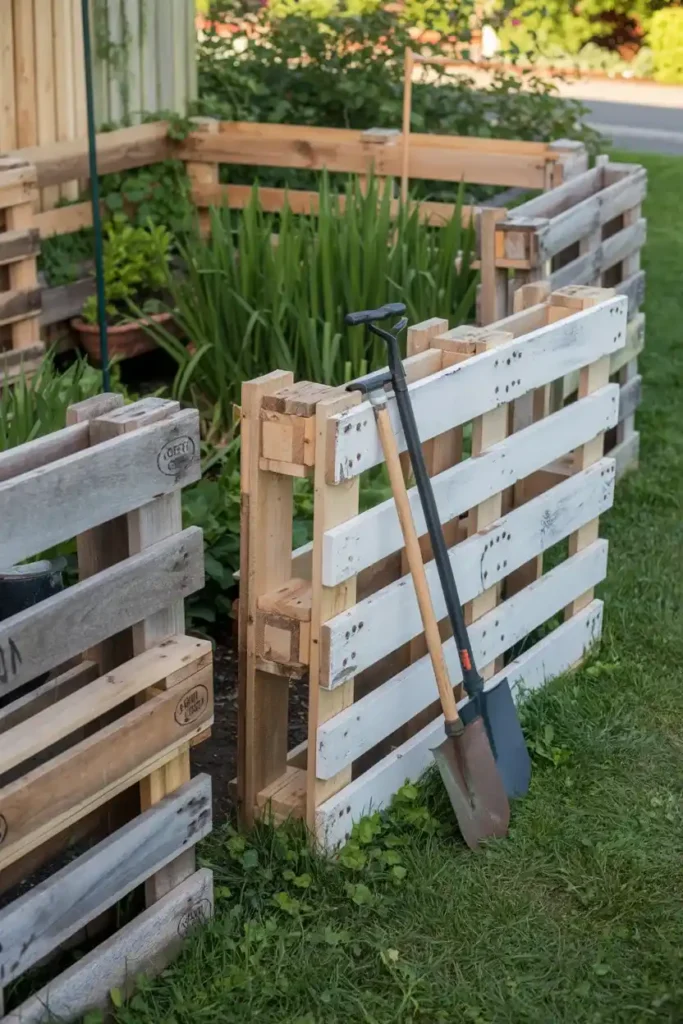
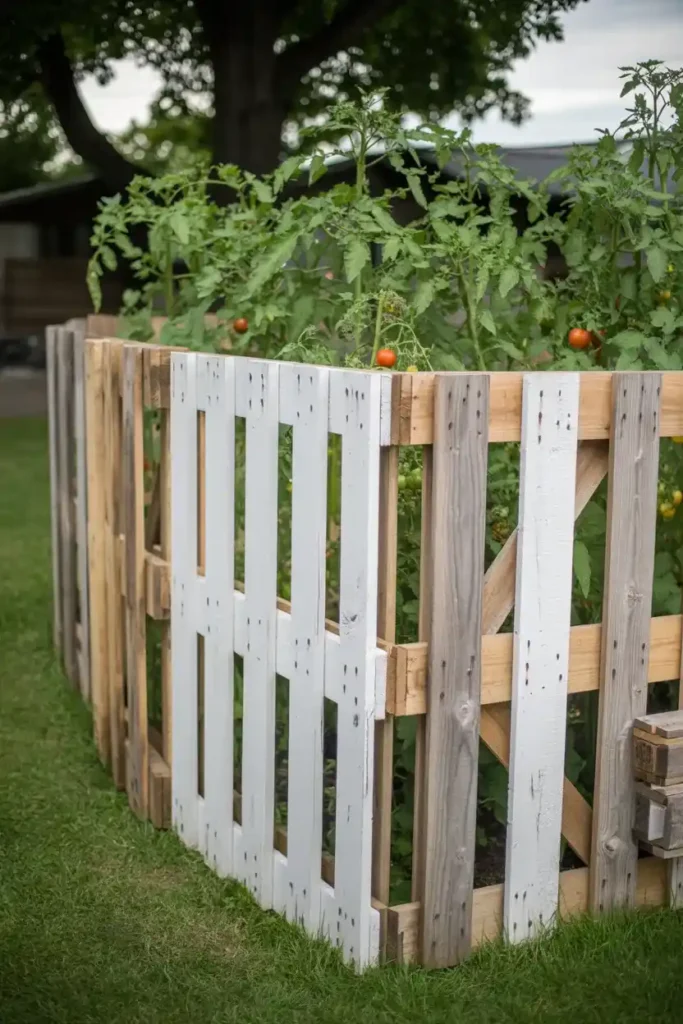
I absolutely love pallets because they are often free if you know where to look. You can usually find them behind grocery stores or warehouses if you ask nicely.
They are sturdy and give off that rustic farmhouse vibe everyone loves. Just make sure you check for stamps that indicate safe heat treatment rather than chemicals.
I simply stand them up and screw them together for an instant barrier. You can paint them or let them weather naturally for a gray look.
2. Chicken Wire and Wood Posts
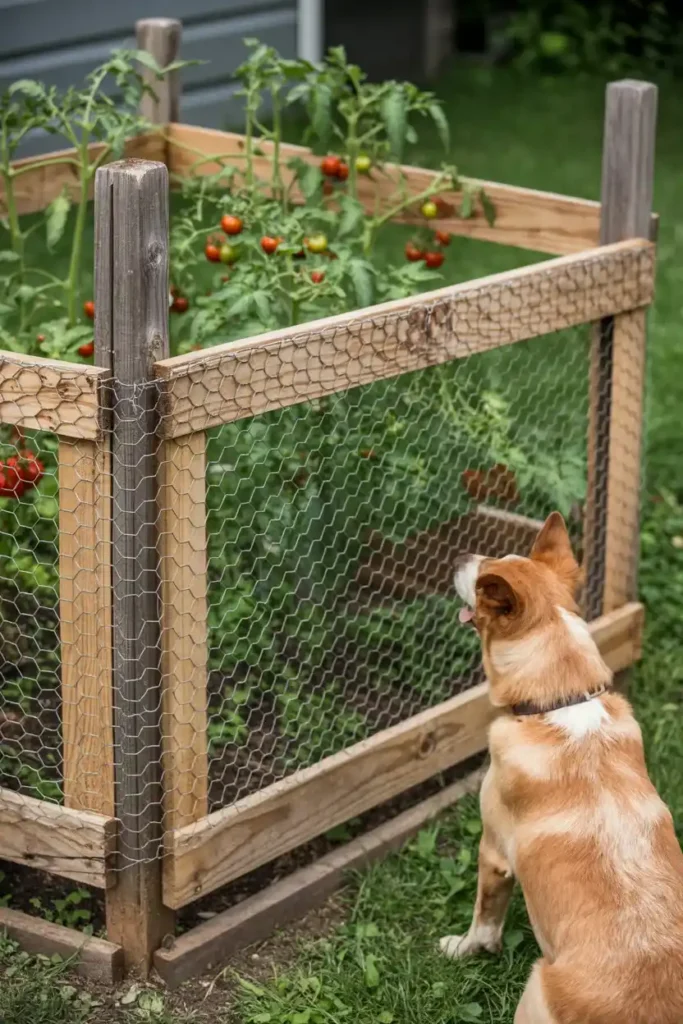
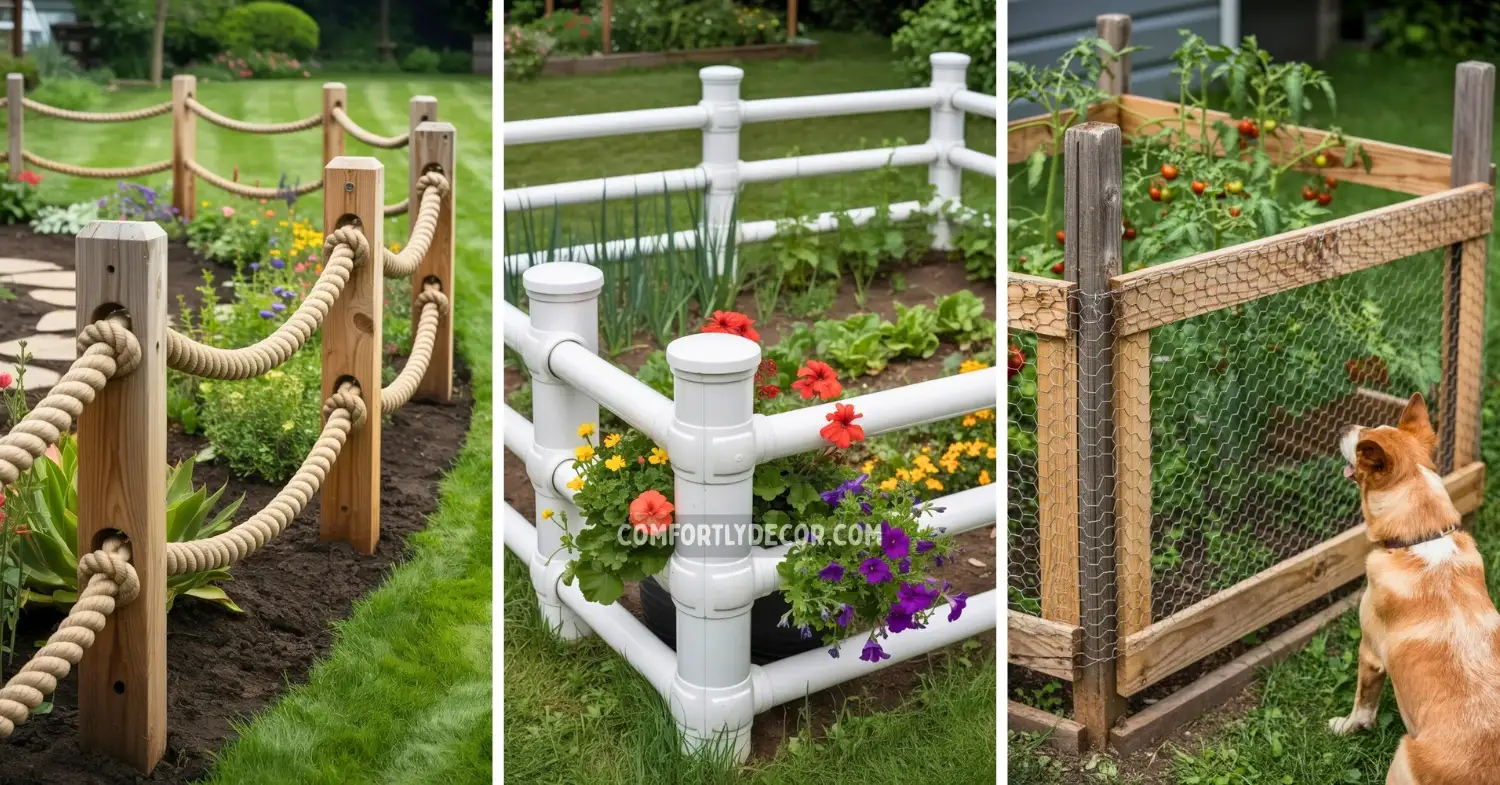
This is a classic for a reason. Chicken wire is incredibly affordable and keeps out most critters. I buy a roll at the hardware store and staple it to simple wooden stakes driven into the ground.
It is not the fanciest option but it gets the job done efficiently. You can frame it with scrap wood to make it look a bit more polished.
I find this perfect for keeping the dog out of the tomato plants without blocking the view.
3. Wattle Fencing
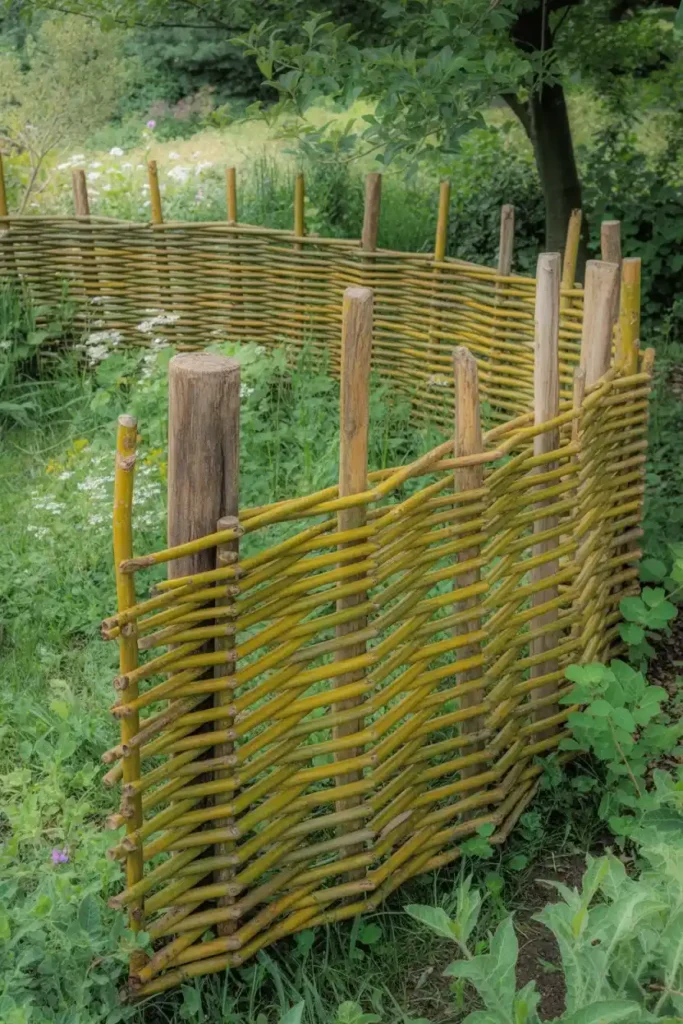
If you have access to flexible branches like willow or hazel this one costs absolutely nothing. You drive stakes into the ground and weave the branches in and out horizontally.
It looks like something out of a fairytale and holds up surprisingly well. I spent a pleasant afternoon weaving one last spring and it felt like doing a giant craft project.
It creates a solid barrier that looks completely natural and blends right into the garden landscape.
4. Recycled Door Fence
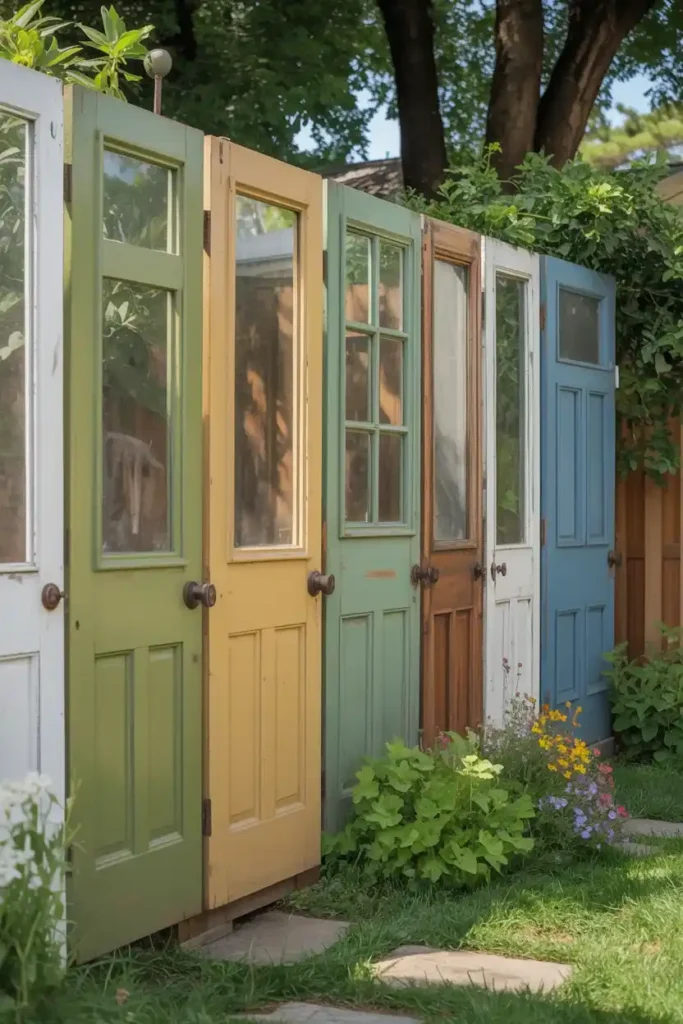
Okay hear me out on this one. Old doors can make for a super quirky and solid privacy fence. I scour local salvage yards or online marketplaces for free doors people are throwing out.
You paint them all the same color to unify the look or go wild with a rainbow theme. It definitely makes a statement and provides total privacy.
Just be sure you seal them well so they do not rot in the rain immediately.
5. Split Rail with Mesh
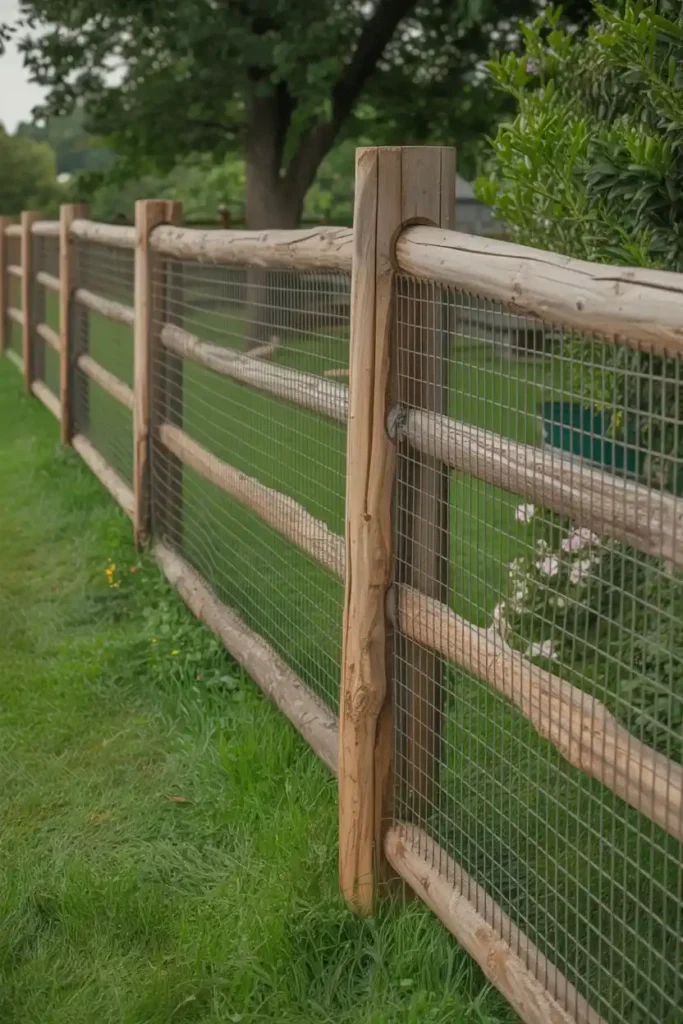
This gives you that open country look while still actually keeping things contained. You use rough logs or timber rails for the main structure which is cheaper than finished lumber.
Then you attach wire mesh to the back side to stop small animals from squeezing through. I like this because it defines the boundary without making the yard feel closed in.
It is sturdy enough to last for years and looks better as the wood ages.
6. Cinder Block Planter Wall
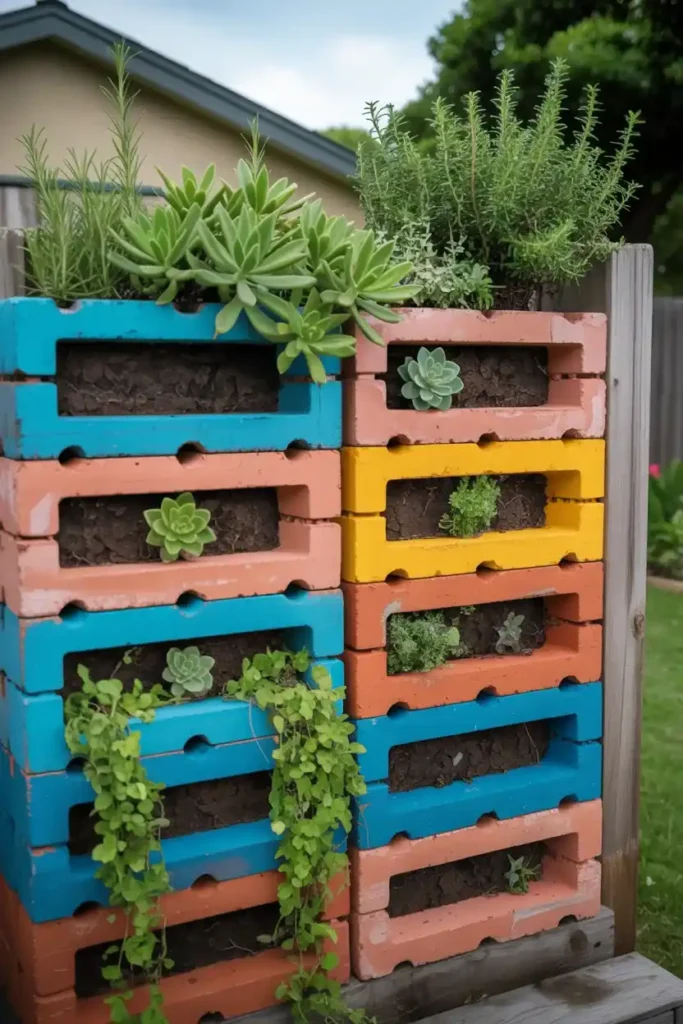
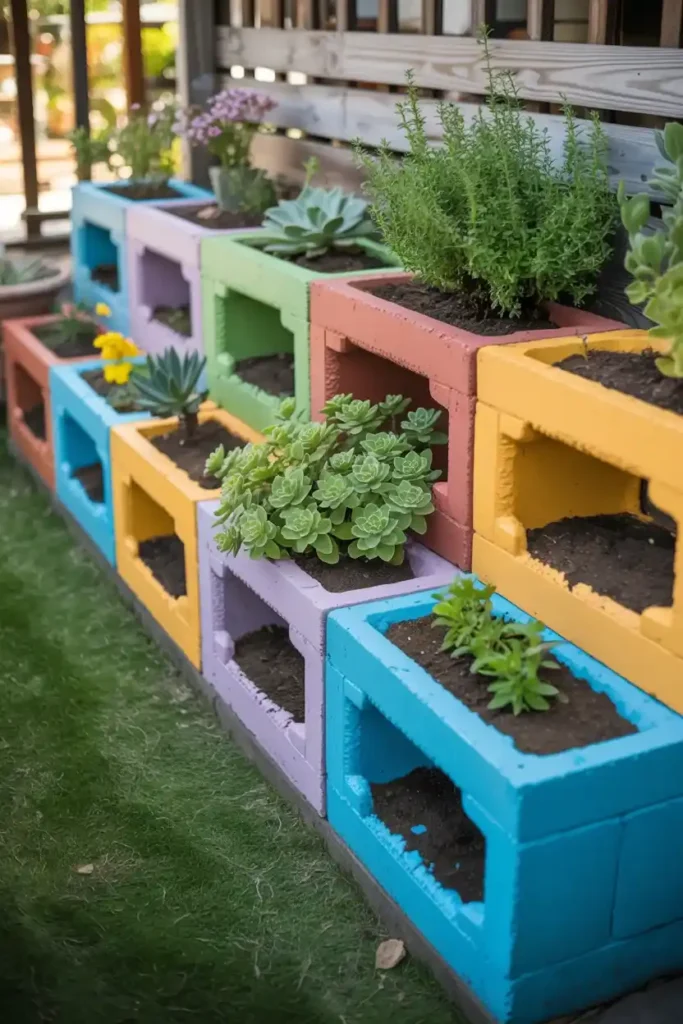
Why just build a wall when you can build a garden within a wall? I stack cinder blocks and fill the holes with soil to plant succulents or herbs.
It creates a heavy and permanent barrier that also adds greenery. Cinder blocks are very cheap and you do not need mortar if you keep it low.
I paint the blocks bright colors to stop it from looking like a construction site. It is functional and decorative all at once.
7. Corrugated Metal
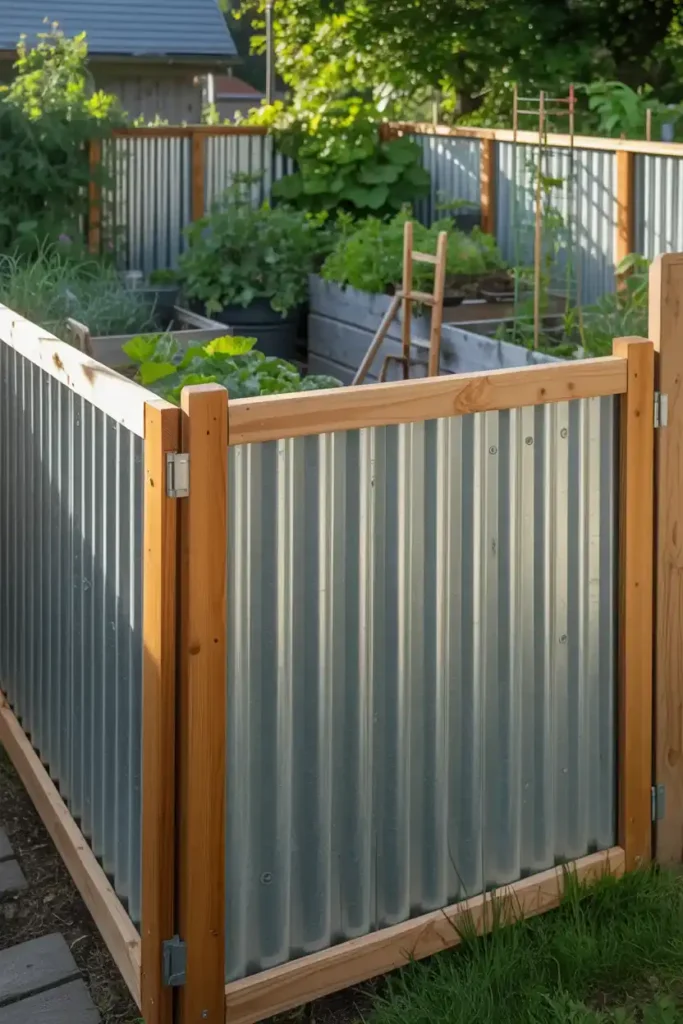
If you want modern and industrial on a dime this is the way to go. Sheets of corrugated metal are inexpensive and cover a lot of ground quickly.
I frame them with wood to soften the sharp edges and prevent cuts. It provides complete privacy and reflects light which can help shady corners of the garden.
Plus it sounds kind of nice when the rain hits it. Just watch out because it can get hot in direct summer sun.
8. Bamboo Roll Fencing
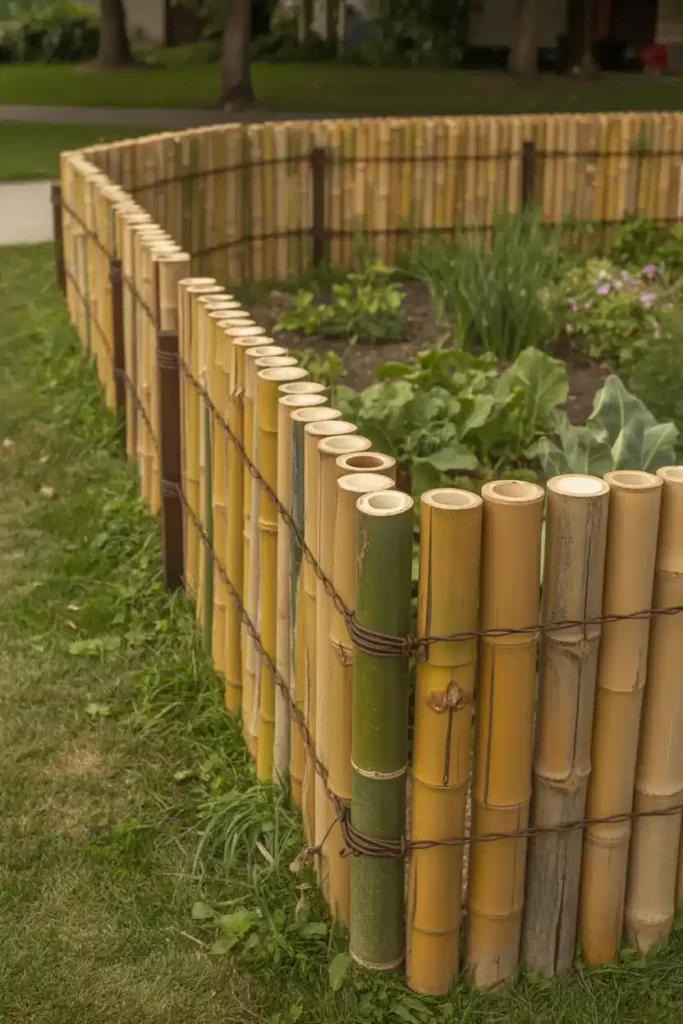
Bamboo adds an instant tropical feel and is very renewable. You can buy rolls of it fairly cheaply or harvest it if you know someone with an overgrown patch.
I attach the rolls to existing wire fencing or simple posts to upgrade the look instantly. It is lightweight so you do not need massive supports to hold it up.
I find it weathers to a nice tan color over time and handles the elements pretty well for a natural material.
9. Log Stack Fence
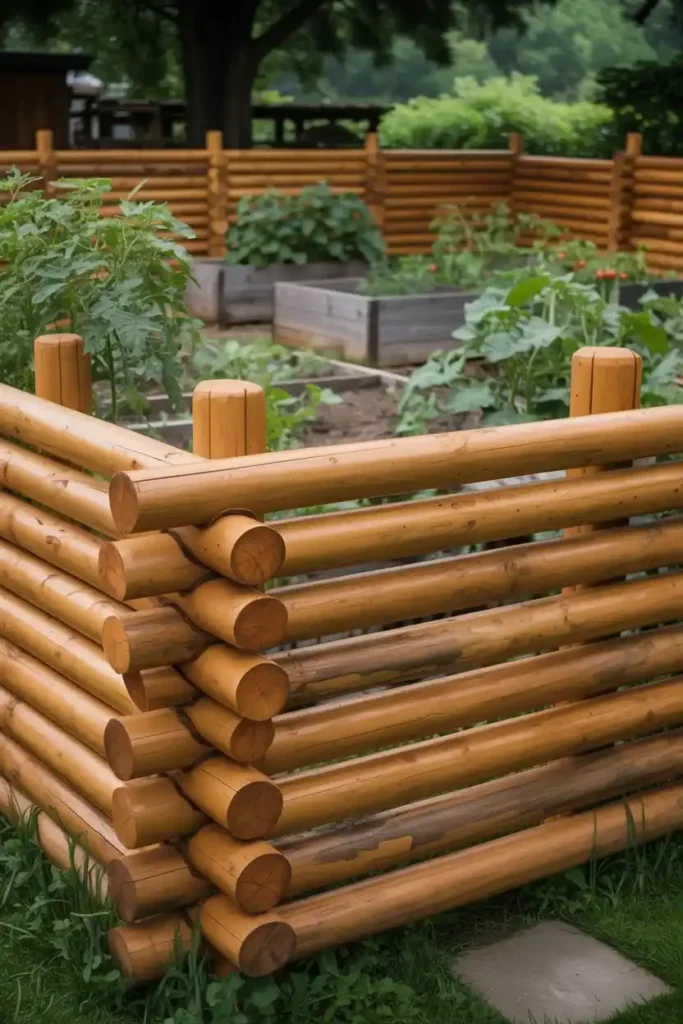
If you have chopped down a tree recently or know someone who has you possess free fencing material.
I stack logs between vertical posts to create a solid wood wall. It looks incredibly sturdy and creates a great sound barrier if you live near a road.
You do need to make sure the wood is treated or naturally rot resistant like cedar. I think it looks like a cozy log cabin wall right in your backyard.
10. Lattice Panels
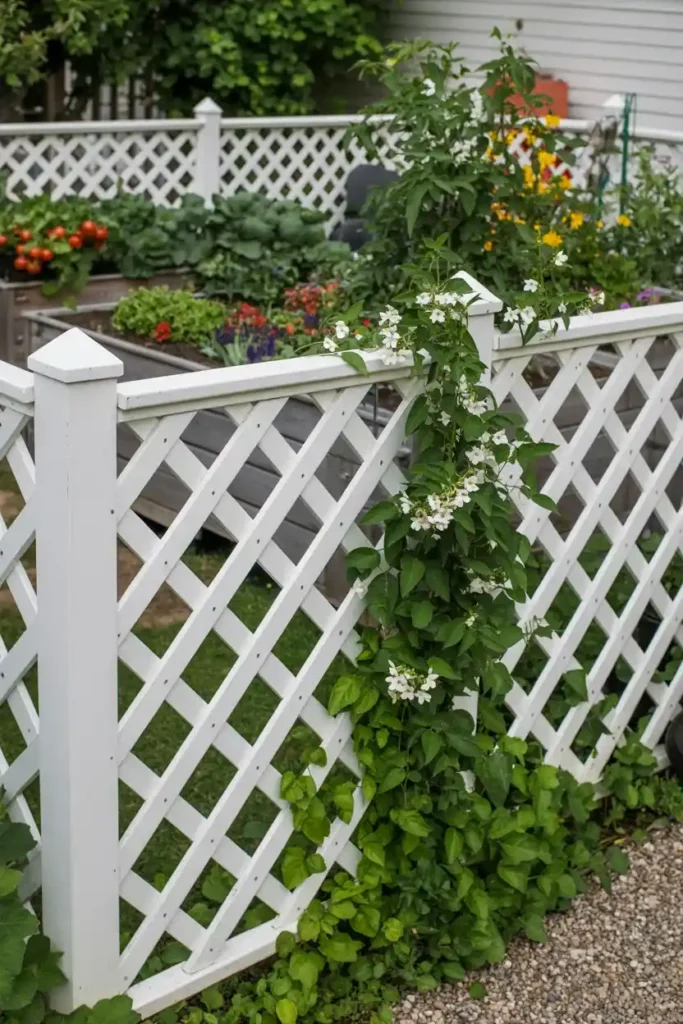
Lattice sheets are a staple at home improvement stores and cost very little. You can use them as the entire fence or just as a topper for extra height.
I love growing climbing vines like jasmine or ivy up them to create a living green wall. They let air flow through which is great for windy areas.
You can paint them easily to match your house trim. It feels very cottage garden and charming IMO.
11. Upcycled Bicycle Wheels
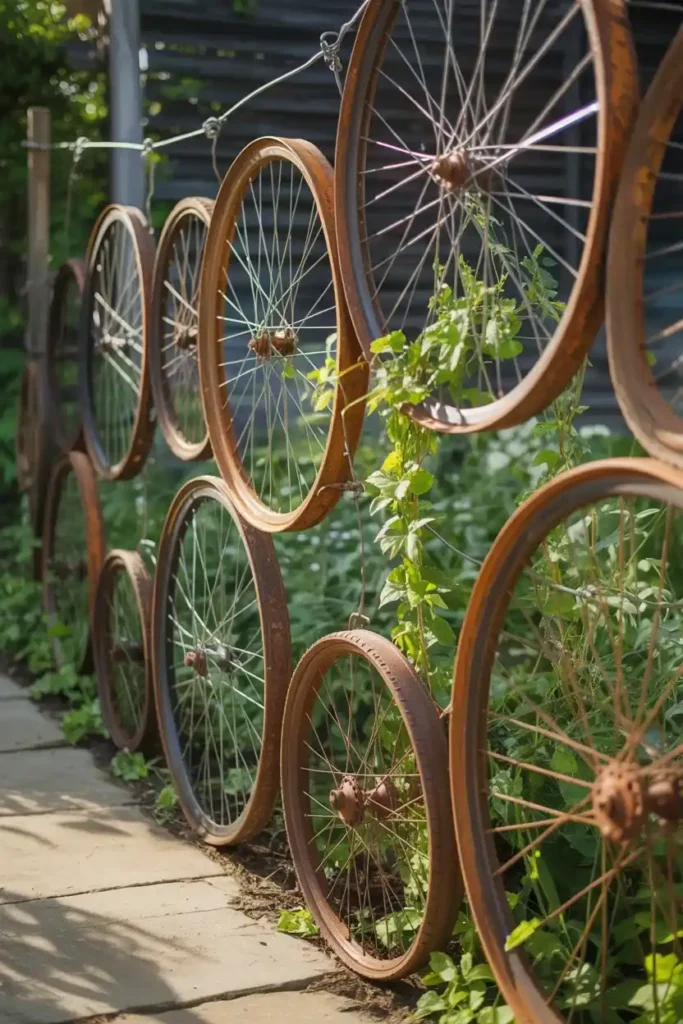
This is for the quirky gardeners out there. I have seen fences made entirely of old bicycle wheels wired together.
You can often get bent rims for free from bike repair shops. It allows light and wind to pass through while creating a definite boundary.
It acts as a trellis for climbing plants too. I admit it is a specific look but it creates a major talking point. Plus it keeps metal out of the landfill.
12. PVC Pipe Fence
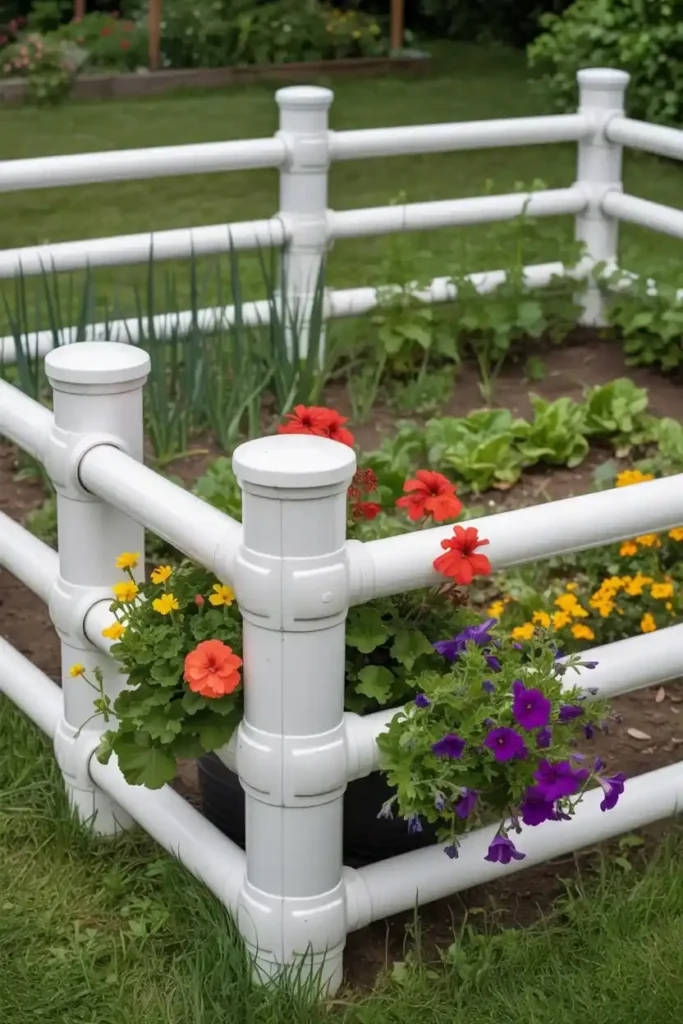
PVC is cheap and rot proof which makes it a great low maintenance option. You can use it to create a simple rail fence or get creative with vertical pipes.
I like to fill the tops with soil and plant flowers for extra color. It stays white and clean looking with just a quick hose down.
You do not have to worry about termites or rust ever. It is surprisingly strong once you glue all the connections together.
13. Living Hedge
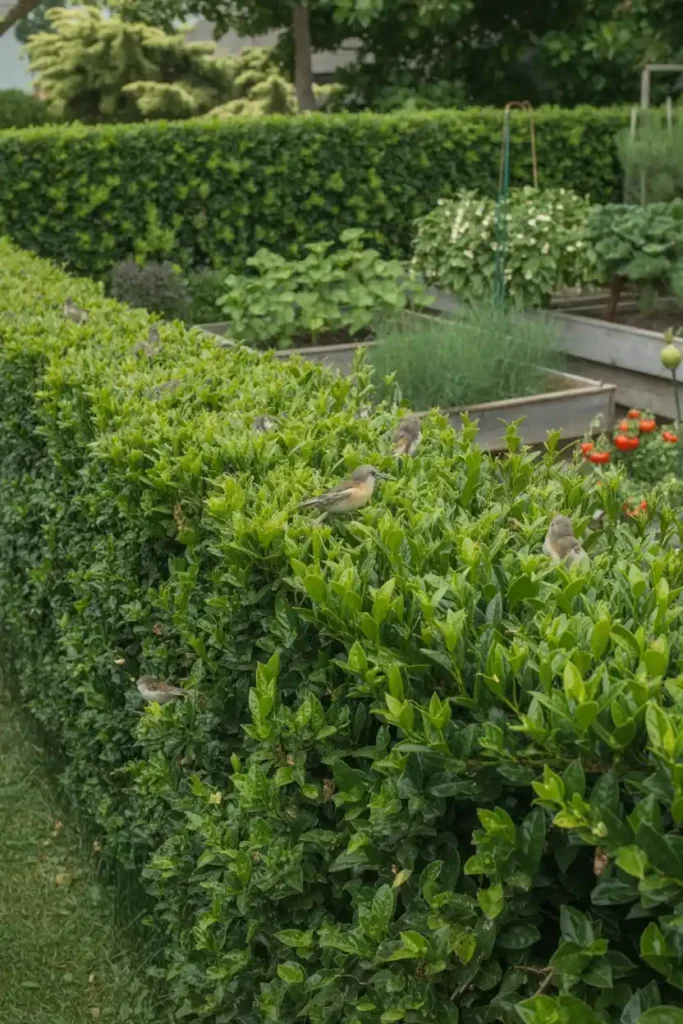
The cheapest fence is one you grow yourself. I planted a row of fast growing shrubs like privet or boxwood. It takes a little patience but eventually you get a solid wall of green.
You can buy small starter plants for very little money compared to lumber costs. It provides habitat for birds and looks beautiful year round.
I find trimming it once or twice a year is less work than painting a wooden fence.
14. Rope and Post
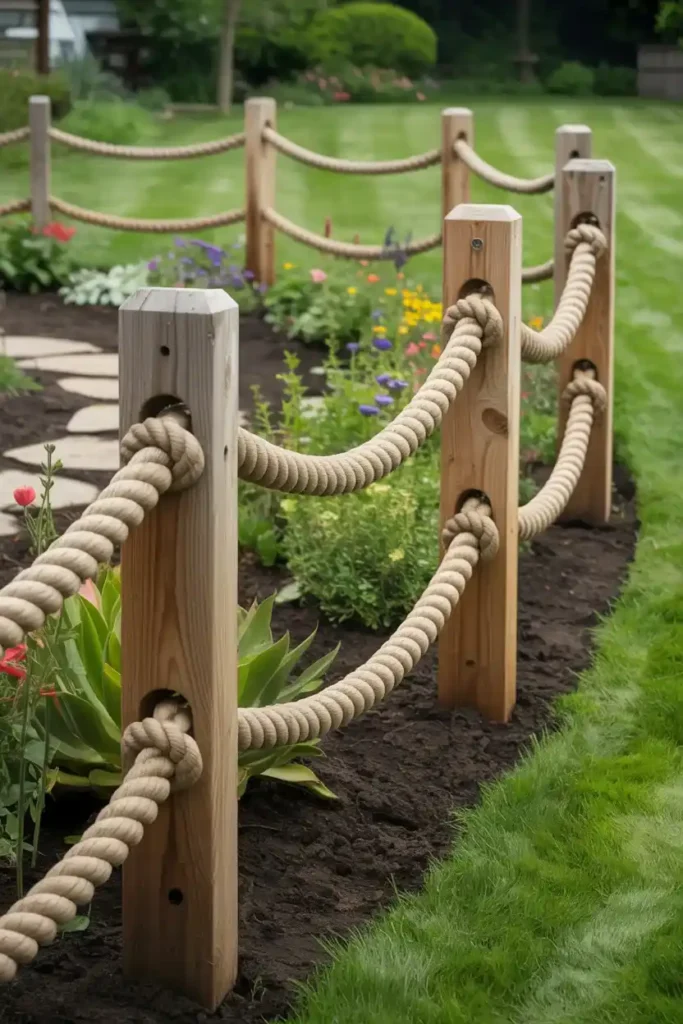
This works great if you just want to mark a boundary rather than secure the area.
I drive wooden posts into the ground and drill holes through the tops. Then I run thick rope through the holes and knot it at each post. It looks very nautical and breezy.
I use it to separate my flower beds from the lawn. It will not keep a determined dog in but it tells people where not to walk.
15. Gabion Wall
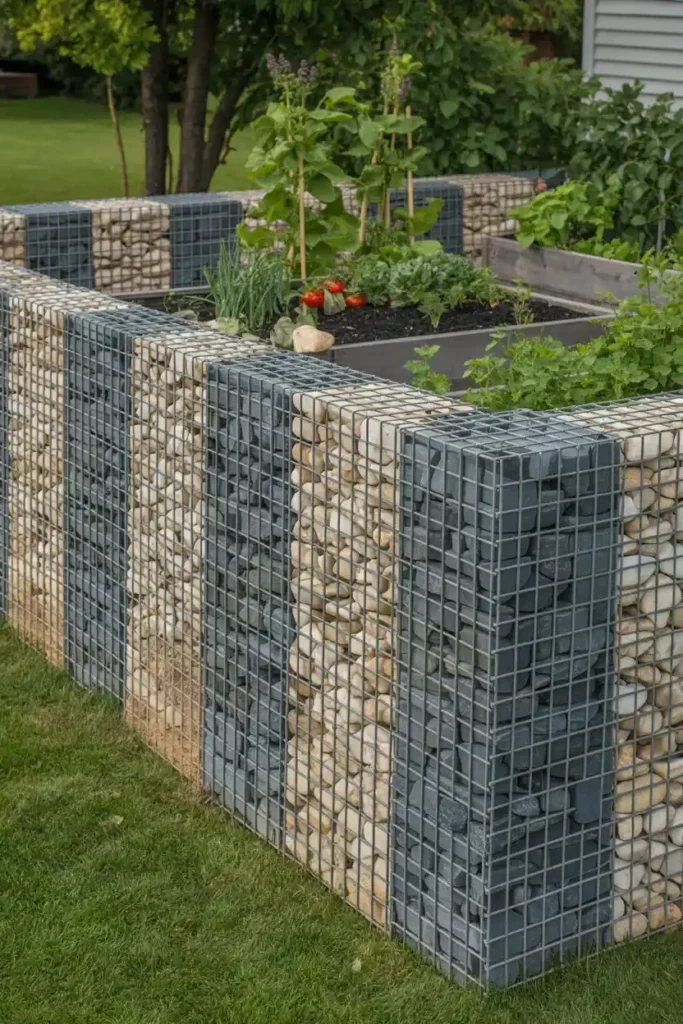
A gabion wall is basically a wire cage filled with rocks. You buy the wire mesh and form a basket then fill it with stones you find around your property.
I love this because it uses natural materials and drains water perfectly. It is incredibly heavy so it will never blow over in a storm.
It has a modern architectural look that seems very high end. You can mix different colored stones for patterns.
Guide to DIY Cheap Garden Fence Ideas
You need a plan before you start digging holes in the yard. Building a cheap fence requires more than just materials. I have learned a few hard lessons about spacing and depth that I want to share so you do not make my mistakes.
Digging the Post Holes
Getting the holes right is the most annoying part but also the most important. You generally want to bury about one third of your post length underground. So for a 6 foot fence you need a hole that is 2 feet deep.
- Depth Matters: I dig until I hit the frost line if I can. This stops the frost from heaving the posts out of the ground in winter.
- Width Rules: Make the hole about 3 times the width of the post. This gives you room for concrete or gravel.
- Gravel Base: I always throw a few inches of gravel at the bottom for drainage. It stops the wood from sitting in water and rotting.
Determining Post Spacing
Spacing is key to a fence that stays standing. You cannot just guess and hope for the best.
- Wood Fences: I usually space posts about 8 feet apart. This is standard for lumber lengths so you waste less wood.
- Wire Fences: You can go wider here up to maybe 10 or 12 feet. Just pull the wire tight or it will sag and look sad.
- Heavy Materials: If you use pallets or logs go closer like 6 feet. The weight adds up fast and you need support.
Cheap Material Options
You want to save money so picking the right material is everything.
- Pallets: Free or very cheap. Just needs some elbow grease to disassemble.
- Wire Mesh: Very affordable per foot. Great for keeping animals out.
- Bamboo: cheap and renewable. looks great but may not last forever.
- Recycled Items: Doors windows or metal sheets. Free if you hunt for them.
Tools You Will Need
You do not need a whole workshop but a few basics help.
- Post Hole Digger: Trust me a shovel is not enough for deep holes.
- Level: No one wants a crooked fence. Check every single post.
- Drill and Screws: Hammers loosen up over time. Screws hold better.
- Gloves: Splinters are not fun. Protect your hands.
FAQs
Your Garden Deserves a Great Border
Building a fence does not have to drain your bank account. I hope these ideas show you that a little creativity goes a long way. You can take scrap wood or old wire and turn it into something that protects your plants and looks awesome.
Pick the idea that fits your style and just get started. Even if you mess up a little it is a DIY project and that gives it character. Your garden will thank you for the extra protection and you will love the new look. So grab a shovel and make it happen.

I am Mindy Medford, a home décor, paint, and design specialist with over a decade of hands-on experience transforming ordinary spaces into cozy, personality-packed havens. Since 2013, I have been helping homeowners discover the art of beautiful yet practical design. I share my love for color, texture, and layout—making stylish interiors & exteriors feel achievable for everyone. Whether it’s picking the perfect paint shade or reimagining a small space, I’m here to guide and inspire.