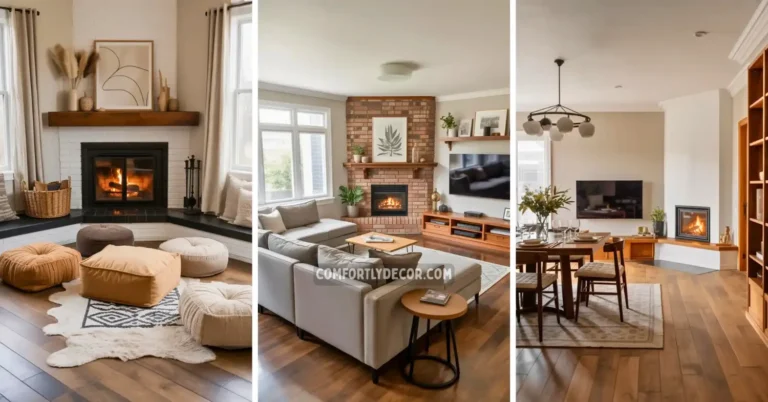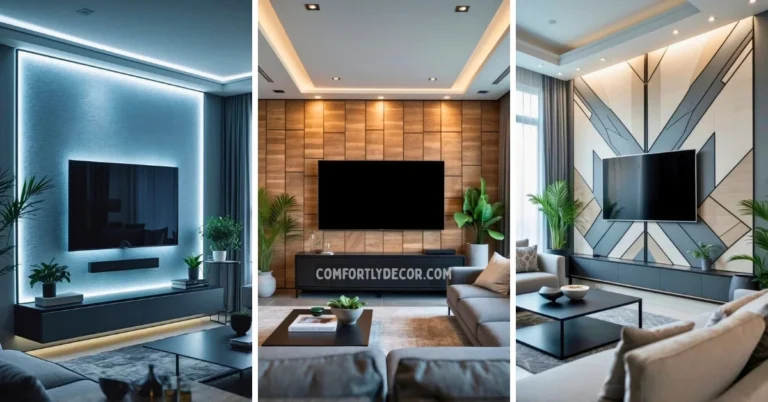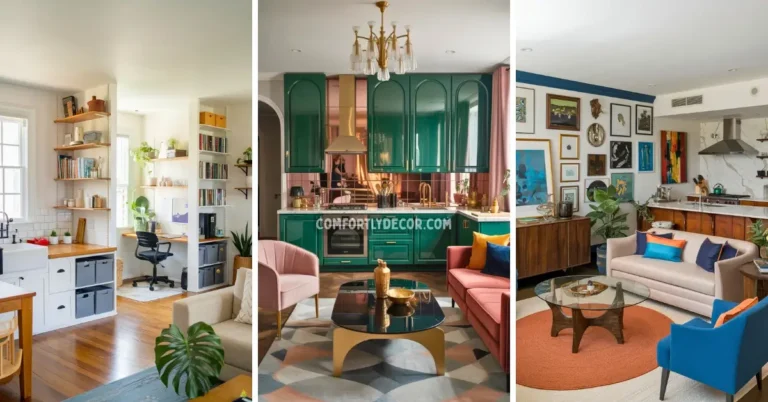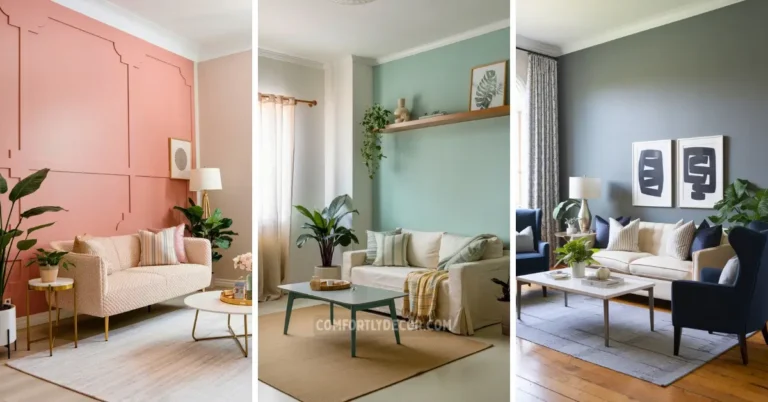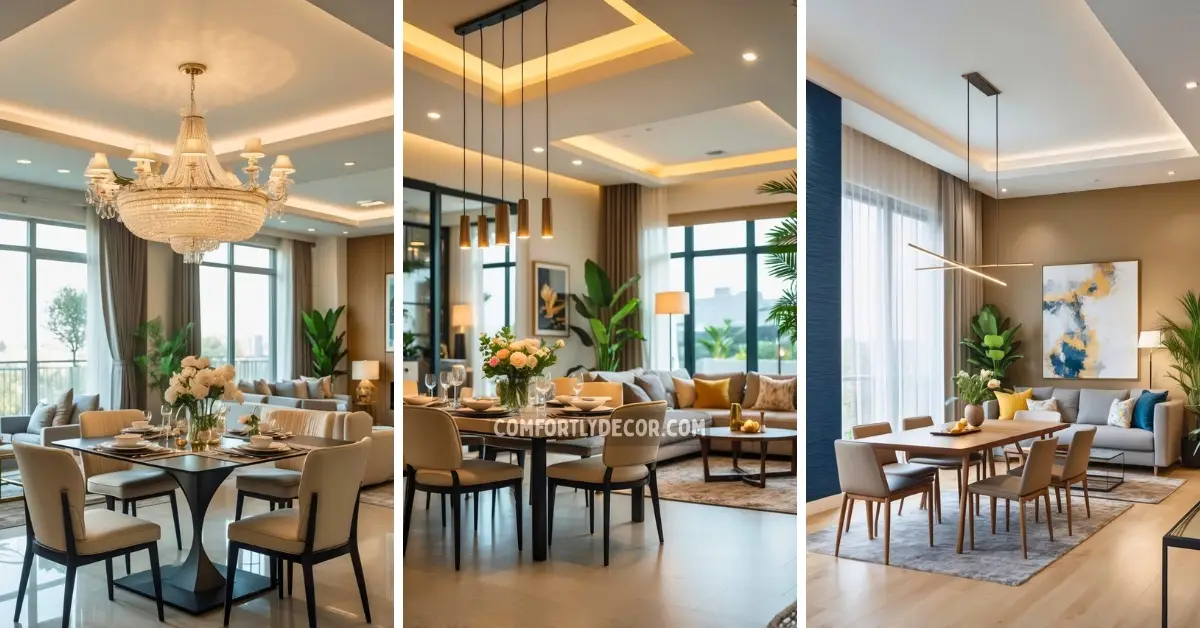
15 Dining and Living Room Combo Ideas for Modern and Functional Spaces
Combining your dining and living spaces can be a smart way to make the most of your home. I know how challenging it can be to create a space that feels both functional and comfortable without crowding the room. This article will show you practical ideas to achieve a balanced and inviting combo.
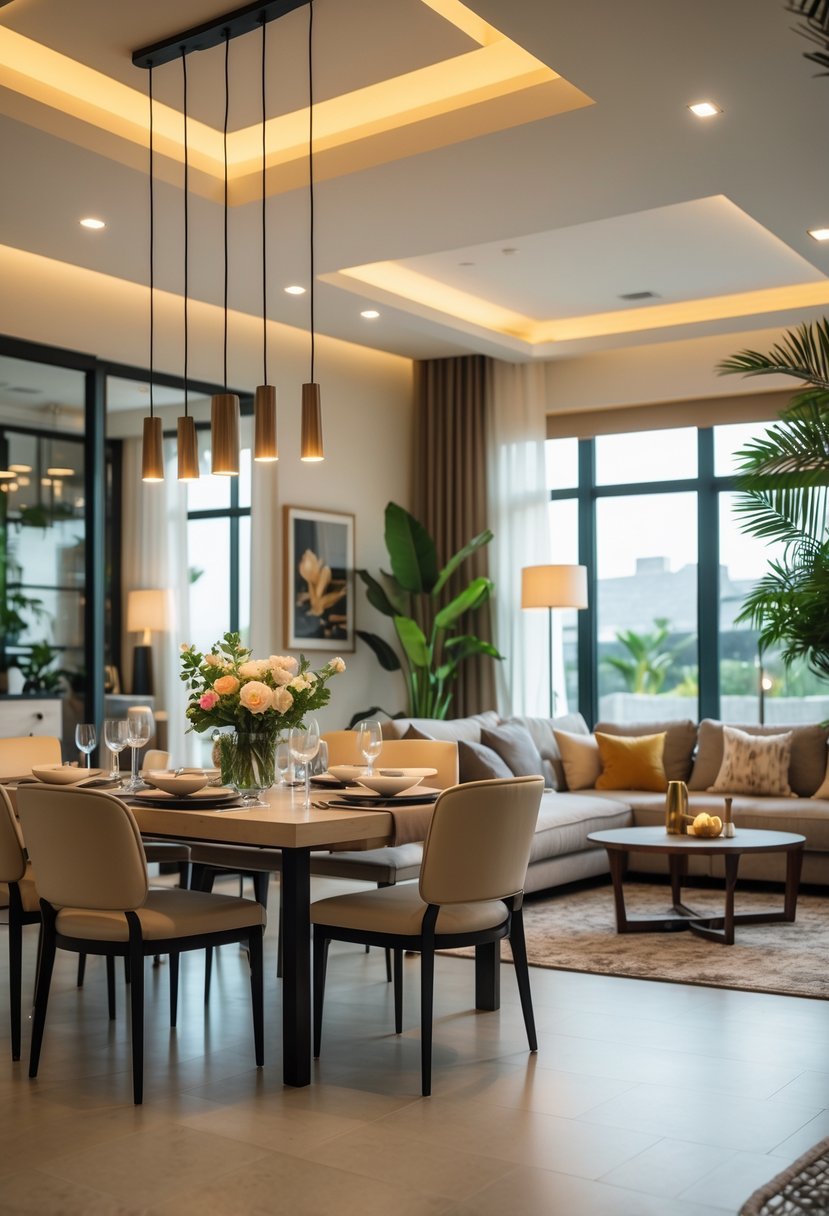
The key to a successful dining and living room combo is finding the right layout and style that fits your space and lifestyle. I’ve gathered ideas that help maximize space while keeping the area cozy and stylish. Whether your room is small or open-plan, these tips can help you create a seamless and useful living area.
15 Dining and Living Room Combo Ideas
1) Use a neutral color palette to unify living and dining areas
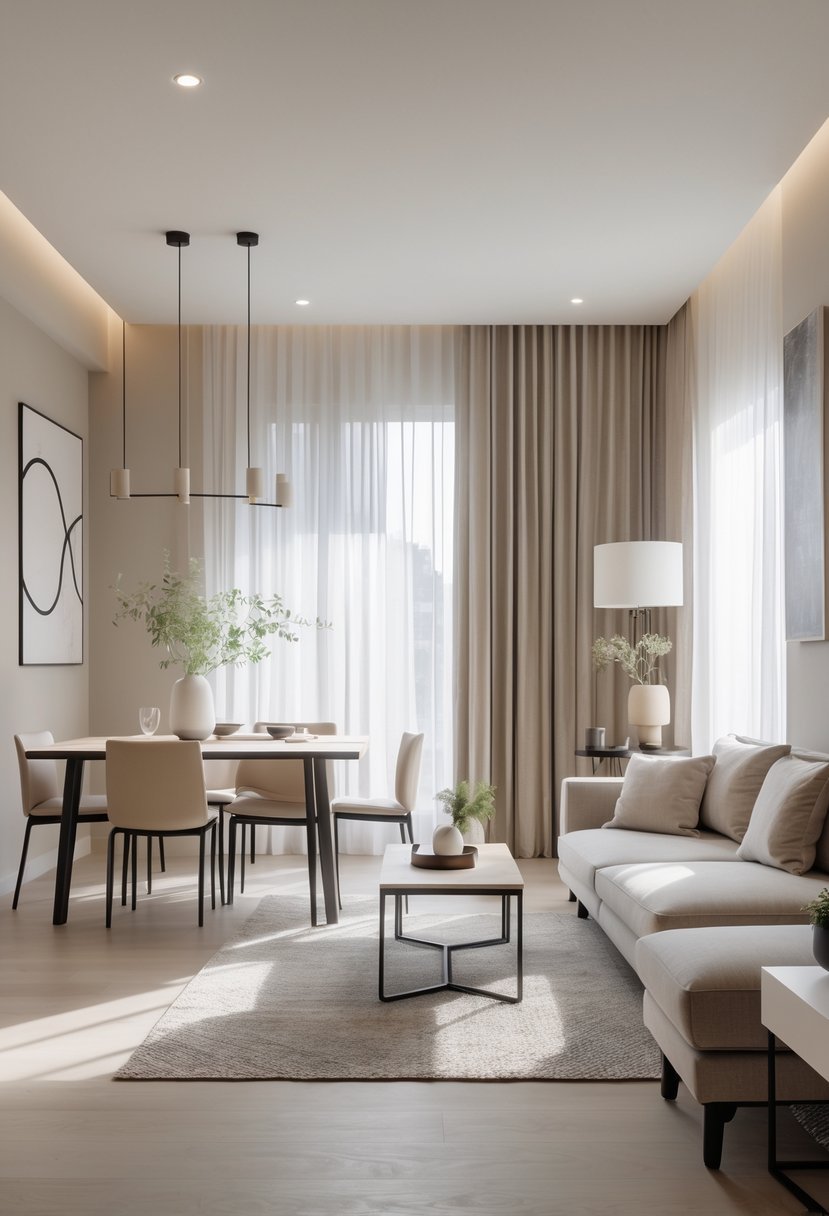
I find that using a neutral color palette is the best way to connect the living and dining spaces. Colors like white, cream, gray, and beige create a smooth flow between the two areas.
Neutral tones make the space feel calm and open. They also provide a simple background that works with many design styles.
Adding small pops of color with accessories keeps things interesting without breaking the unity. This approach helps the room feel larger and more cohesive.
2) Incorporate statement lighting like a chandelier over the dining table
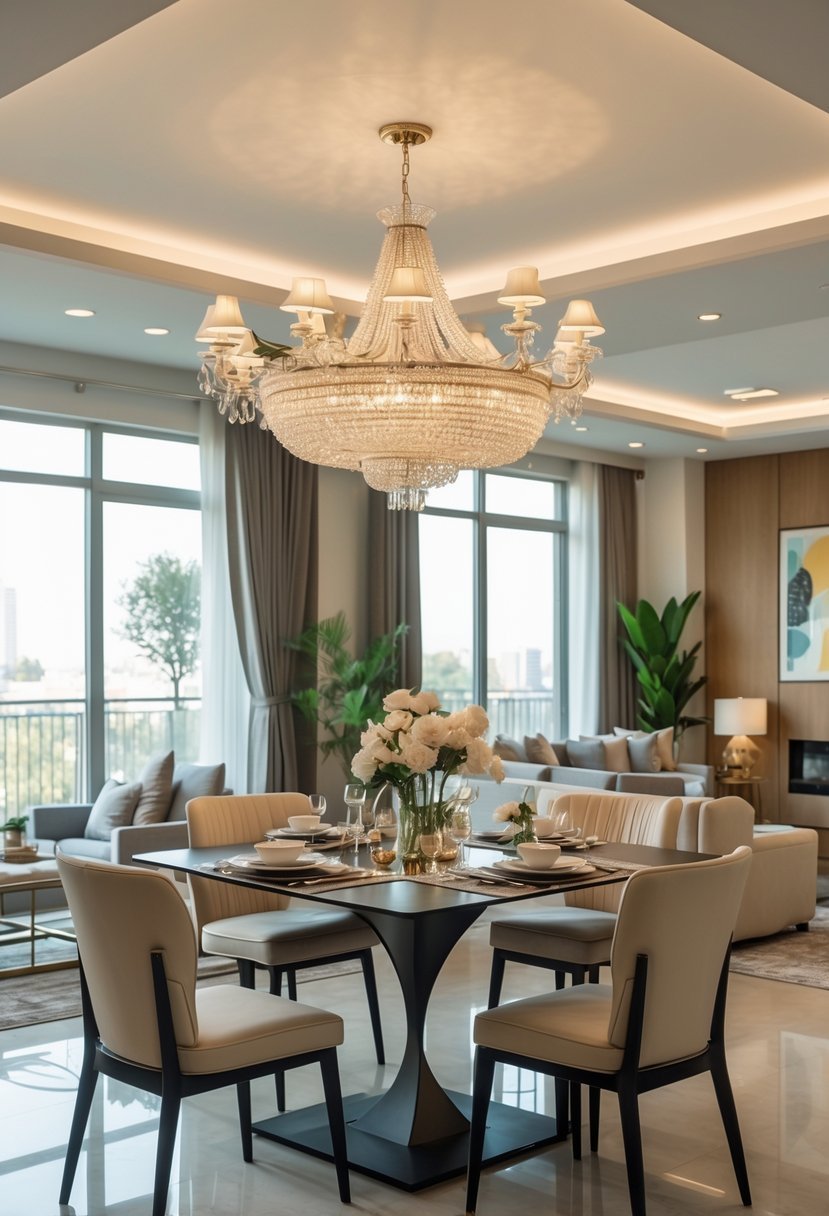
I believe a chandelier can bring a strong visual focus to a dining and living room combo. Placing it directly above the dining table creates balance and draws the eye.
Choosing a style that fits your space is important. Whether modern or classic, a chandelier adds character and defines the dining area within an open layout.
For ideas on styles and placement, I found helpful tips on how to incorporate a statement chandelier in your dining room.
3) Choose furniture with similar materials for visual cohesion
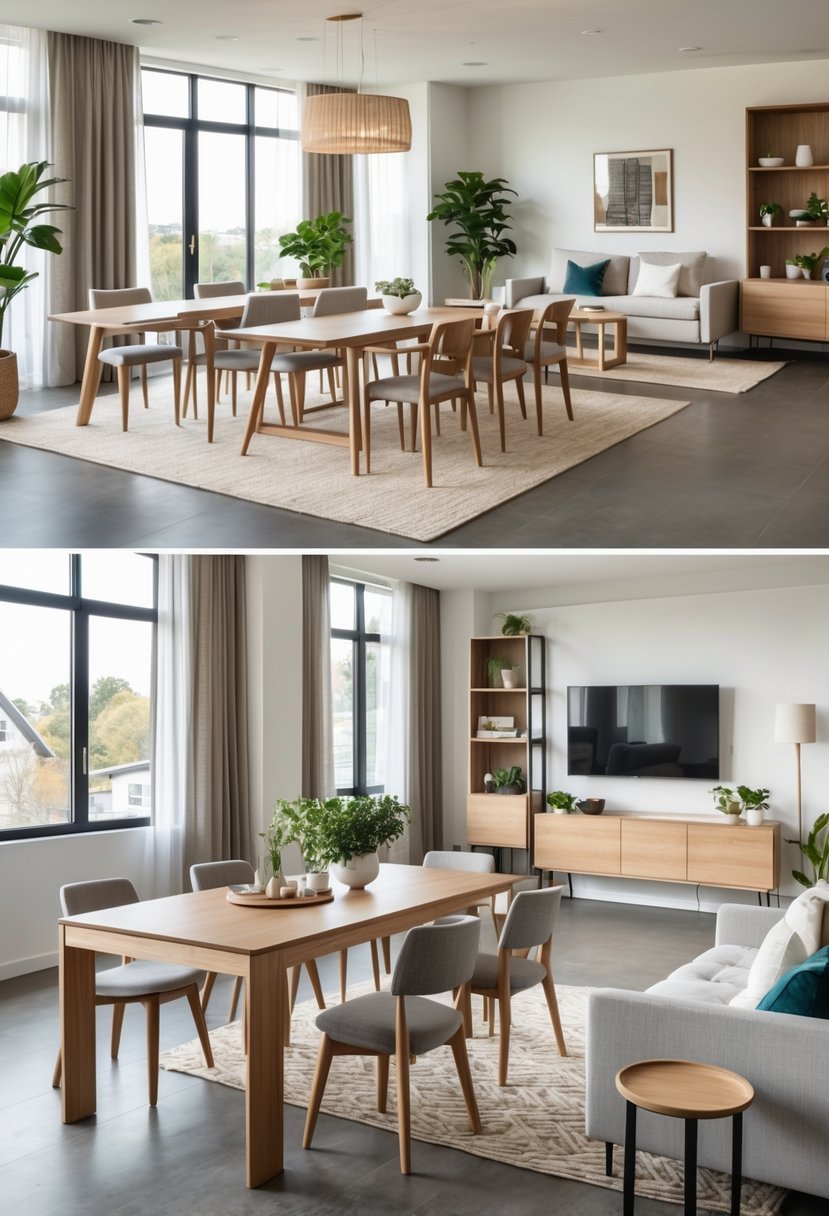
I find that using furniture made from similar materials helps create a smooth flow between the dining and living areas. For example, matching wood tones or metal finishes keeps the space looking connected without feeling cluttered.
This choice helps the eye move naturally from one zone to another. It also makes decorating easier since you can build on a unified base.
When I pick furniture, I focus on balance. Pieces should share materials but still serve their function well in each space. This keeps the combo stylish and practical.
4) Create natural pathways with clever furniture arrangements
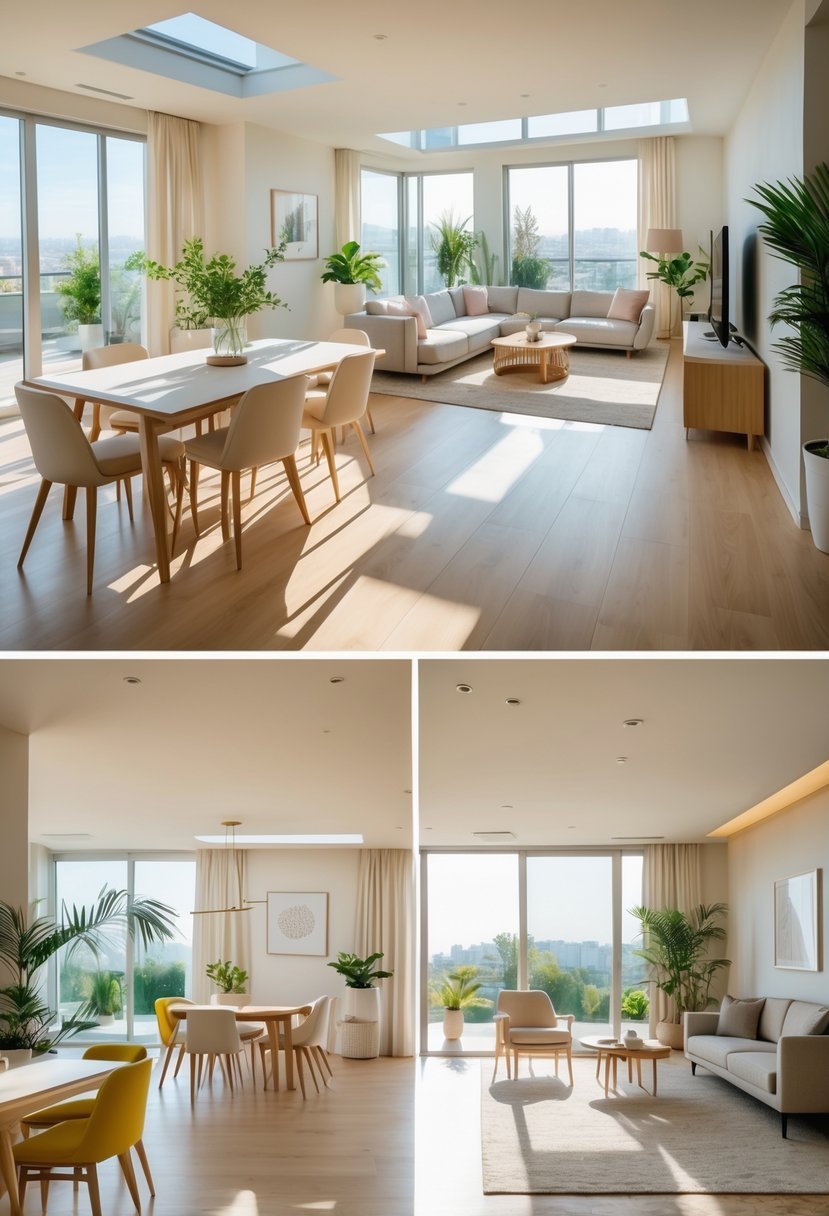
I arrange furniture to guide movement naturally through the space. This means leaving clear walkways between the living and dining areas.
I avoid blocking paths with bulky pieces. Instead, I use smaller or multi-functional furniture that fits well and allows easy flow.
This approach makes the room feel open and connected, helping both areas work together smoothly.
5) Add a large area rug that spans both spaces
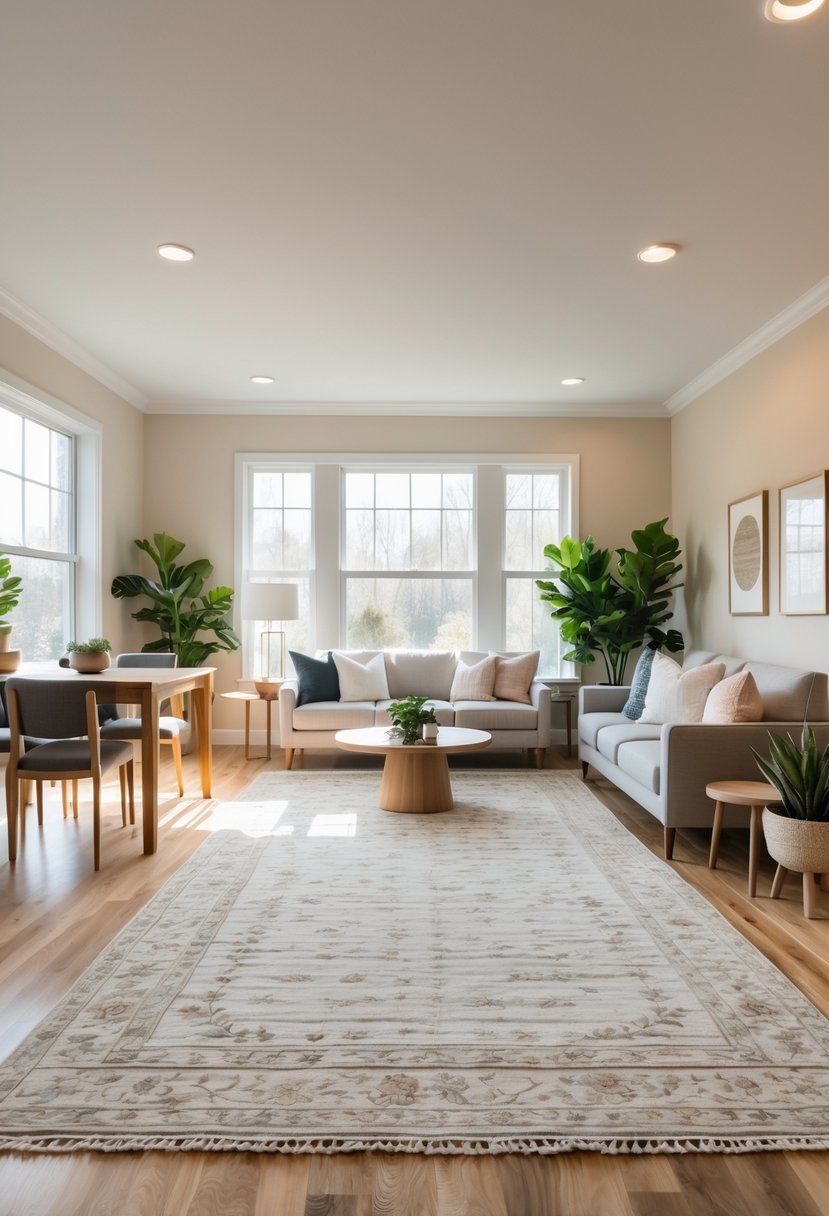
I like using one large rug to cover both the dining and living areas. This creates a unified look and helps the space feel connected.
A big rug also sets clear boundaries without breaking the room into too many parts. It works best when the rug’s size fits well under the furniture.
Choosing patterns or colors that blend with both areas helps keep the style smooth.
6) Opt for open shelving to display decor across zones
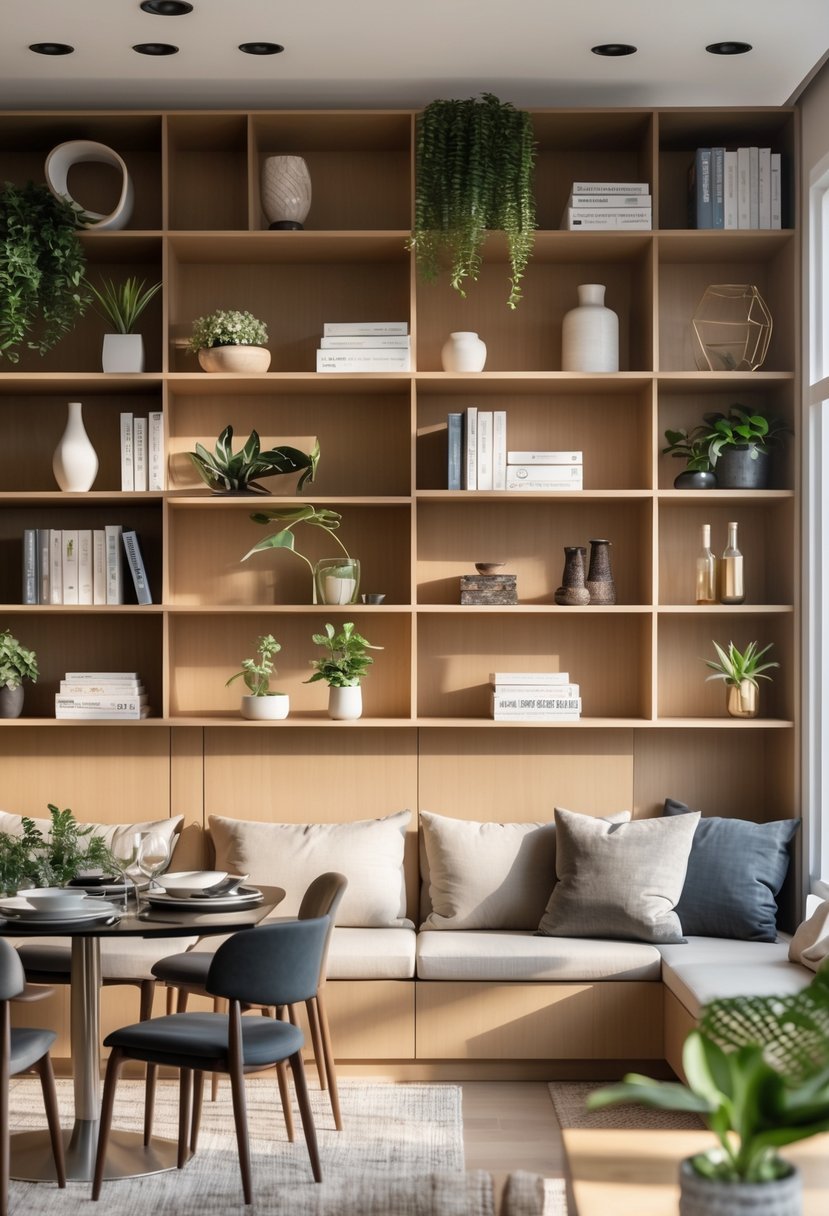
I find open shelving to be a smart way to separate living and dining areas without blocking light. It keeps the space airy while still defining each zone.
I like using shelves to show off decor on one side and dining pieces on the other. This keeps both areas connected but distinct.
Choosing shelves with simple frames helps maintain a clean look that fits well in small or open floor plans. Open shelving creates a balanced flow in the room. For more ideas, see open shelving tips for living-dining combos.
7) Use multifunctional furniture such as storage ottomans
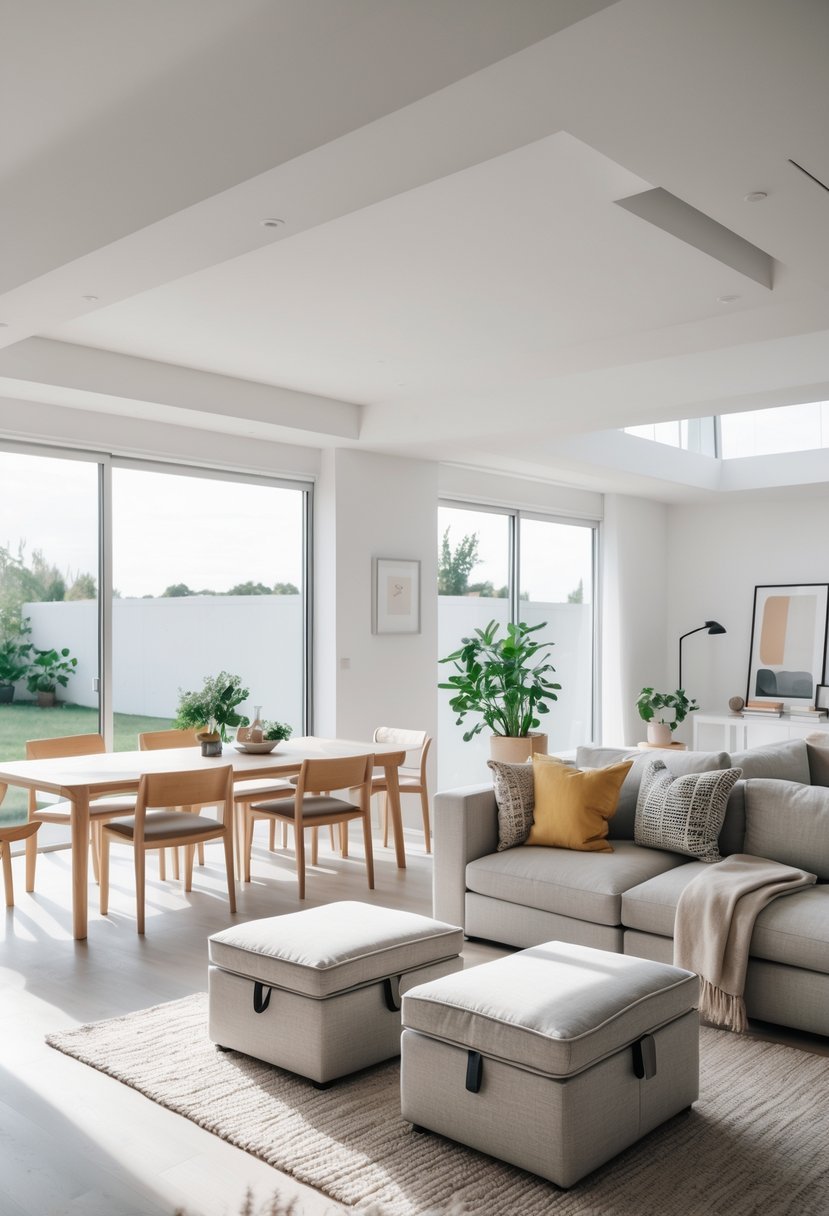
I like using storage ottomans because they save space and add extra storage. They can hold blankets, books, or toys while also serving as seating or a footrest.
A storage ottoman helps keep my living and dining area neat without clutter. It blends well with any style and makes the room feel organized.
This type of furniture is practical for small spaces. It combines function and comfort, which is why I recommend it for a living room dining combo.
You can find many designs that fit your style and budget.
8) Integrate matching cushions and throws in both rooms
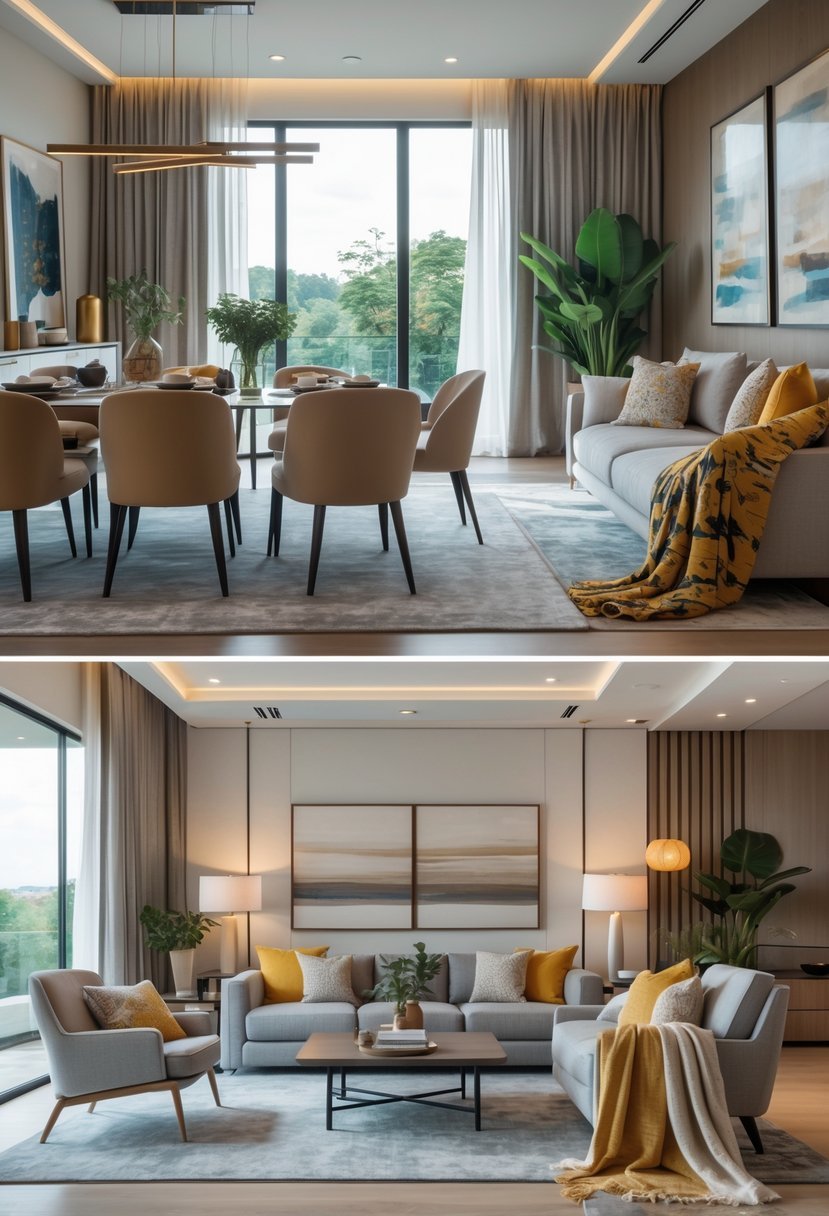
I find that using cushions and throws with the same colors or patterns in the living and dining areas helps unite the space. It creates a smooth visual flow between the two rooms.
Choosing soft textures also adds comfort without making the areas feel cluttered. This simple step can make the combo feel more cozy and intentional.
Matching fabrics can highlight your style while keeping both rooms connected. It’s an easy way to balance function and design.
9) Employ sliding or folding partitions for flexible separation
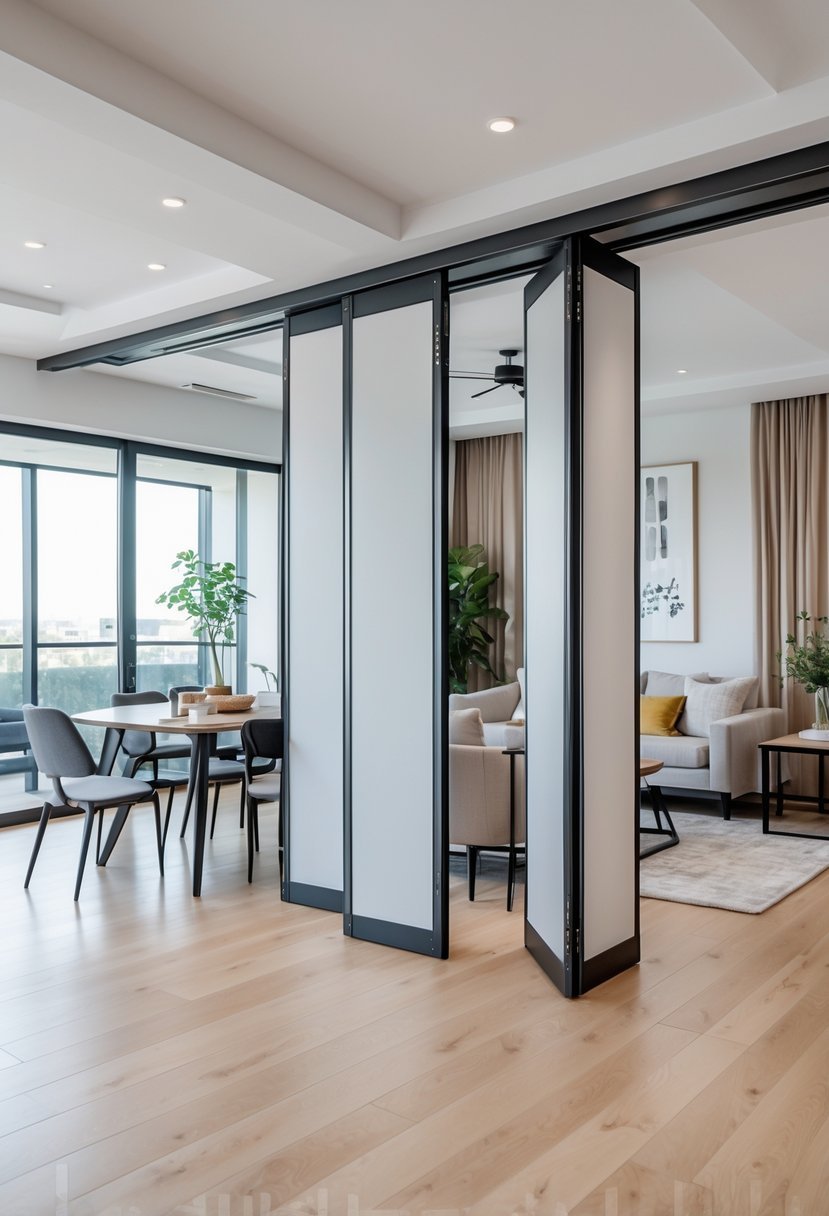
I find sliding or folding partitions very practical for a living and dining room combo. They let me open or close spaces as needed.
These partitions offer privacy without permanent walls. I can adjust the room layout easily for different occasions.
This option works well for small spaces or multi-use rooms. Sliding or folding designs provide flexibility while keeping the space looking modern and tidy.
For more ideas on this, check sliding room divider options at homezillo.com.
10) Position the dining table close to the kitchen for practicality
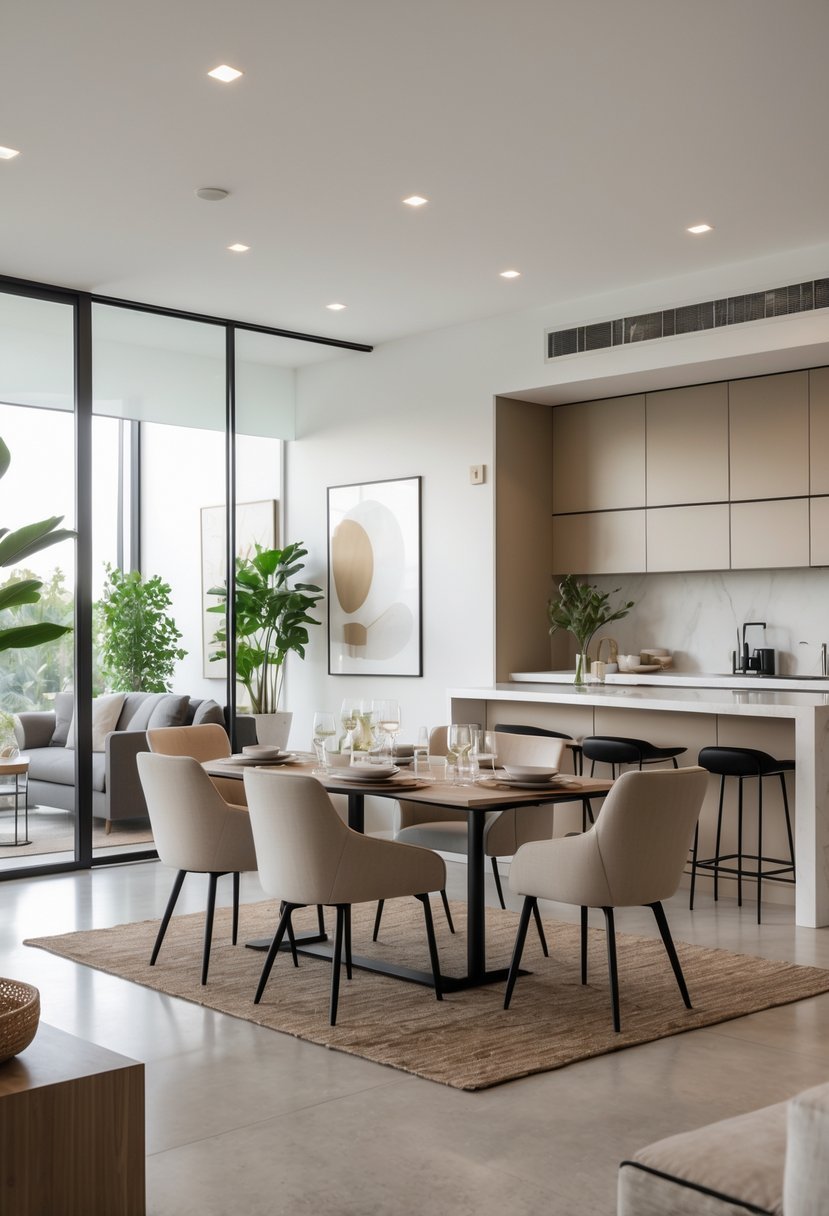
I always place the dining table near the kitchen. It makes serving food easier and speeds up mealtime. This setup helps keep everything within reach.
Keeping the table close also makes cleaning up faster. I don’t have to carry dishes across the room. It keeps the space efficient without feeling crowded.
This layout fits well in open-plan homes. It gives a natural flow between cooking and eating areas. You can see some smart examples of this in kitchen-living room combo ideas.
11) Use accent walls to subtly define each area
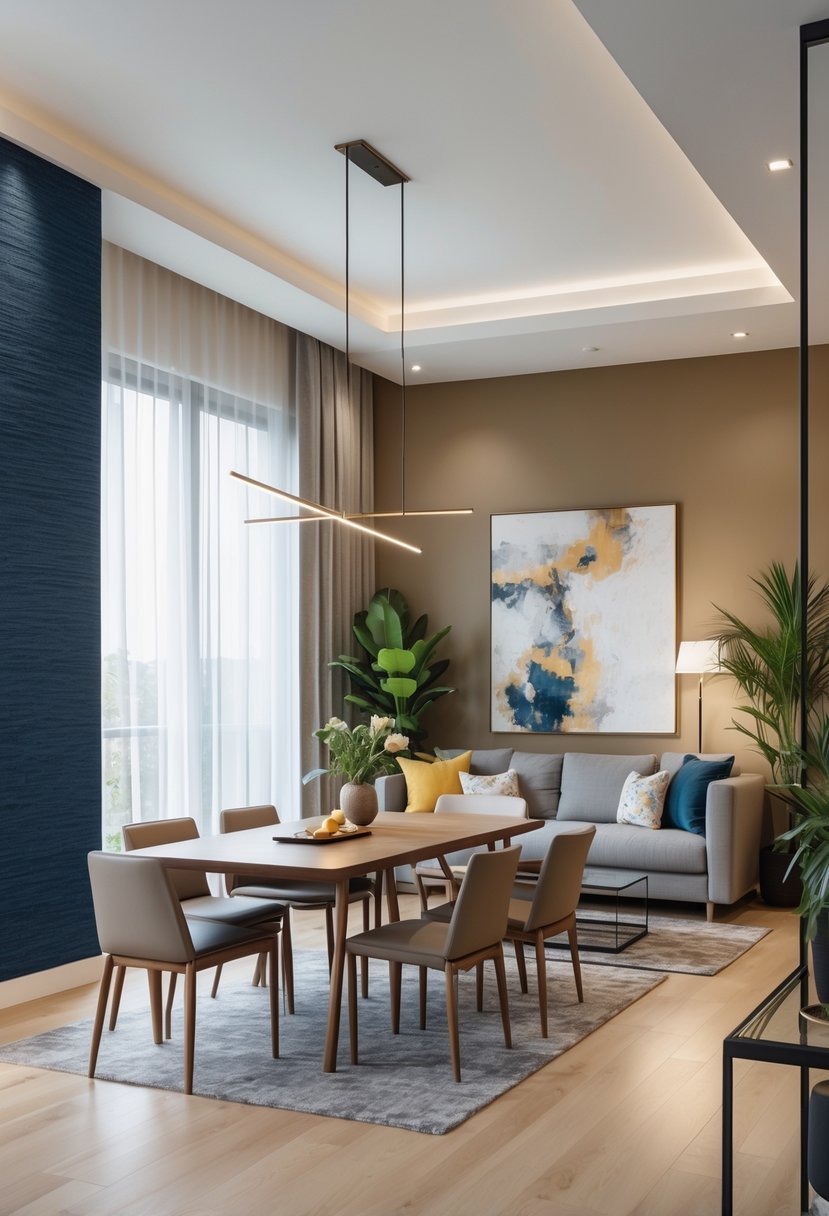
I find accent walls a simple way to mark different zones in a shared space. A bold paint color or textured wallpaper behind the dining area creates focus without breaking the openness.
Wood paneling or a different finish can also add texture and separate the living room from the dining room visually. This keeps the space connected but defined at the same time.
An accent wall guides the eye and adds style without clutter or heavy dividers. It’s an easy choice for open-plan living. For more ideas I looked at accent walls to define spaces.
12) Combine modern minimalist furniture with warm wood tones
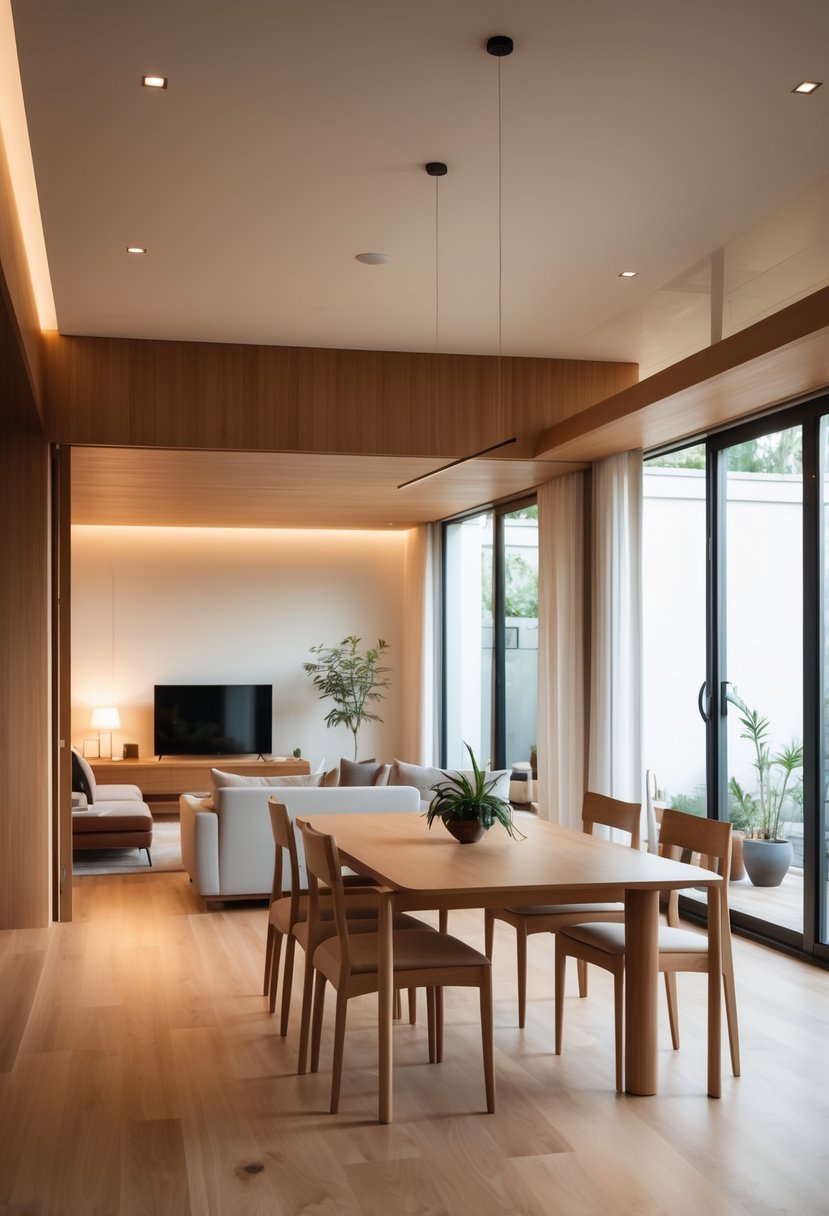
I like pairing modern minimalist furniture with warm wood tones. The clean lines of minimalist pieces create a calm, open feel. Adding wood brings warmth and texture to the space.
This mix keeps the room from feeling cold or empty. Natural wood also adds a timeless look that balances sleek, simple designs. It works well in both living and dining areas.
13) Incorporate plants to add life to both spaces
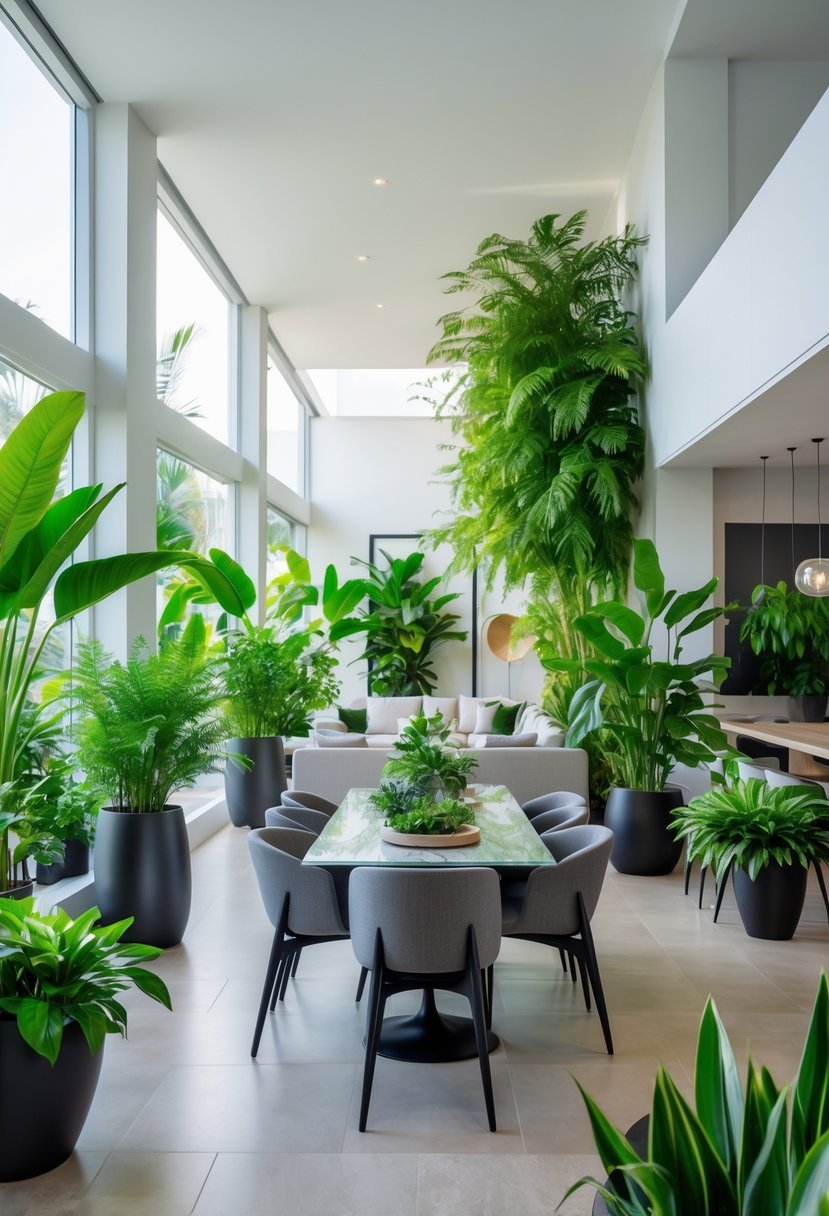
I like to use plants in a living and dining room combo because they bring a natural feel to both areas. Plants add color and texture without taking up much space.
Choosing the right size matters. Small potted plants work well on shelves or tables, while taller plants can fill empty corners. Hanging planters save floor space and create visual interest.
Plants also help make the space feel fresh and inviting. They connect the living and dining areas by adding a common, calming element throughout the room. You can find ideas for this in dining room plant décor tips.
14) Use a mix of textures like leather and linen for interest
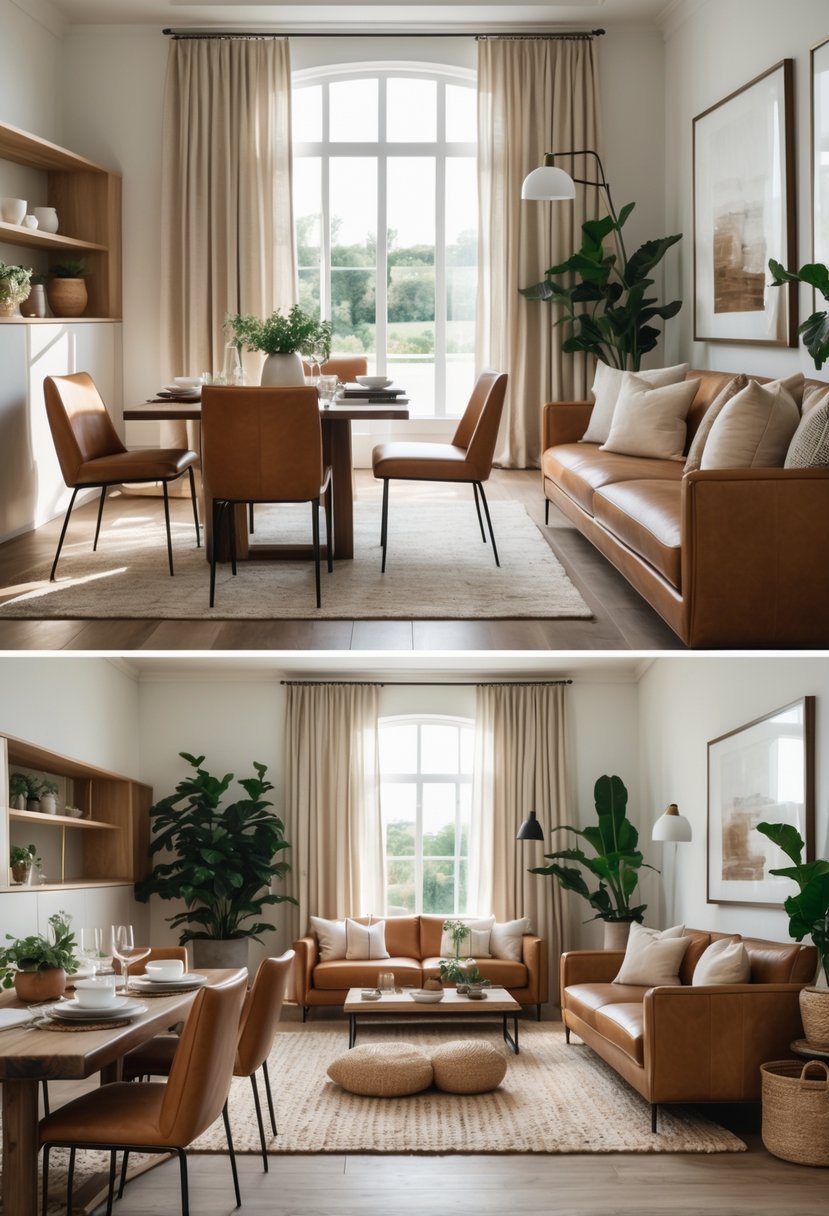
I like to combine leather and linen because they create a balanced look. Leather adds a sleek, smooth feel, while linen brings softness and breathability.
When these textures are mixed, the room gains depth without feeling cluttered. I often pair a leather sofa with linen pillows or curtains to keep the space inviting.
Using textures like these helps me add visual interest and comfort at the same time. For more on layering materials, see layering textures with leather and linen.
15) Add a gallery wall that spans both living and dining areas
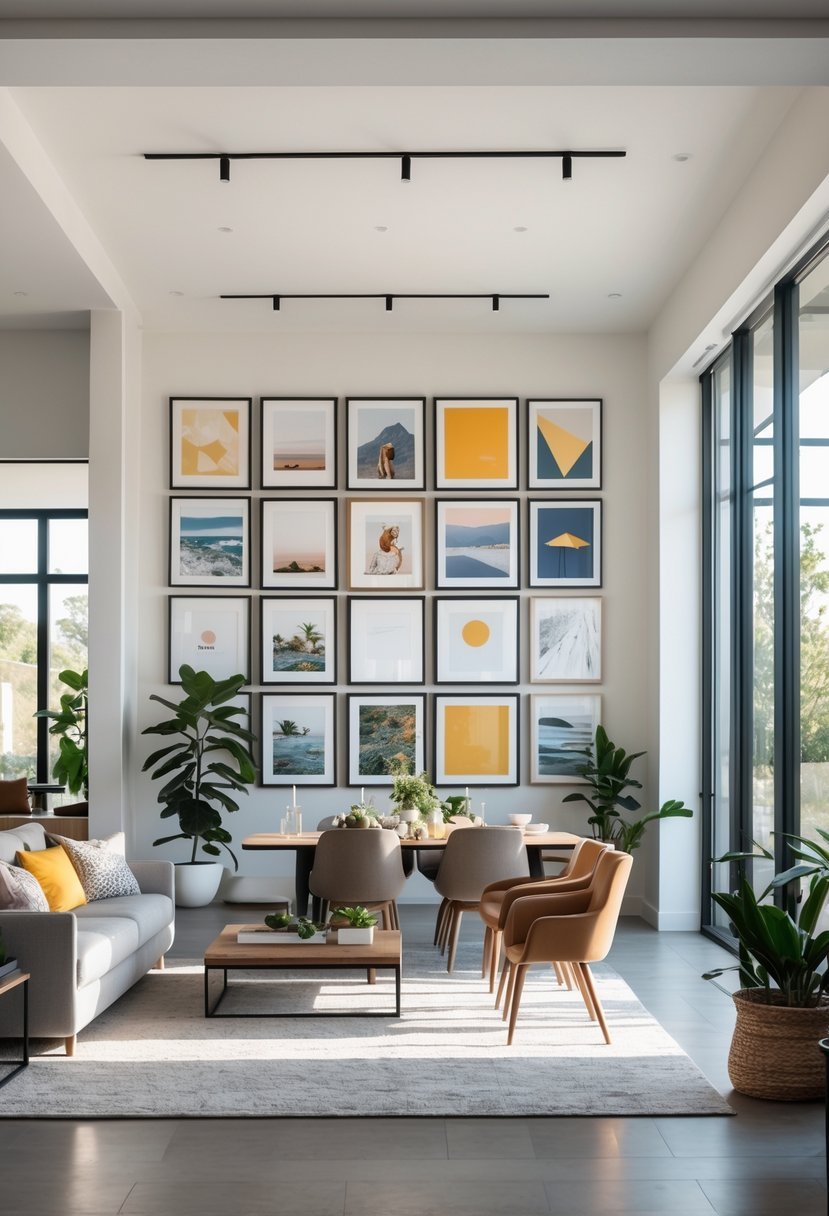
I find a gallery wall that stretches across the living and dining rooms helps tie the spaces together. It creates a visual link without physical barriers.
Choosing artwork with matching colors or themes keeps the look balanced.
This approach brings personality to both areas and makes the combo feel like one cohesive space. You can see examples of this idea in many living and dining room combos online.
How to Style a Dining and Living Room Combo
Creating a seamless dining and living room combo starts with thinking like a designer—focus on flow, color, and purpose. Follow this short guide to get the look right without overwhelming your space:
Step 1: Define your zones with purpose
Decide what each area will do. For example, the living zone is for relaxing, and the dining area is for meals or work. This helps you choose the right furniture shapes and sizes.
Step 2: Choose a unified color scheme
Use 2–3 main colors for both spaces. Neutrals mixed with a highlight color will make the room feel connected rather than scattered.
Step 3: Anchor both spaces with key pieces
Use a sofa to define the living area and a dining table to mark the eating zone. Place rugs strategically to reinforce the separation without walls.
Step 4: Select multi-functional furniture
Opt for items that serve more than one purpose—benches with storage, ottomans, folding dining tables, or nesting coffee tables. This keeps the space flexible and uncluttered.
Step 5: Add decor that speaks the same “language”
Cushions, throws, lighting, plants, and artwork should feel like they belong together. Repeating textures or colors is the easiest way to make two rooms feel like one.
FAQs
Create Harmony in a Shared Living and Dining Space
A successful dining and living room combo is all about unity, comfort, and flow. By choosing cohesive colors, smart furniture arrangements, and decor that repeats across both zones, you can create a space that feels stylish and functional without crowding your home. With thoughtful planning, your combined room becomes not just a solution for limited space—but a modern focal point full of personality and practicality.

I am Mindy Medford, a home décor, paint, and design specialist with over a decade of hands-on experience transforming ordinary spaces into cozy, personality-packed havens. Since 2013, I have been helping homeowners discover the art of beautiful yet practical design. I share my love for color, texture, and layout—making stylish interiors & exteriors feel achievable for everyone. Whether it’s picking the perfect paint shade or reimagining a small space, I’m here to guide and inspire.