15 Corner Study Table Ideas For Compact Spaces and Efficient Productivity
Creating an efficient study space can significantly impact focus and productivity. Corner study tables are a practical solution for maximizing space, especially in smaller rooms or areas with limited layout options.
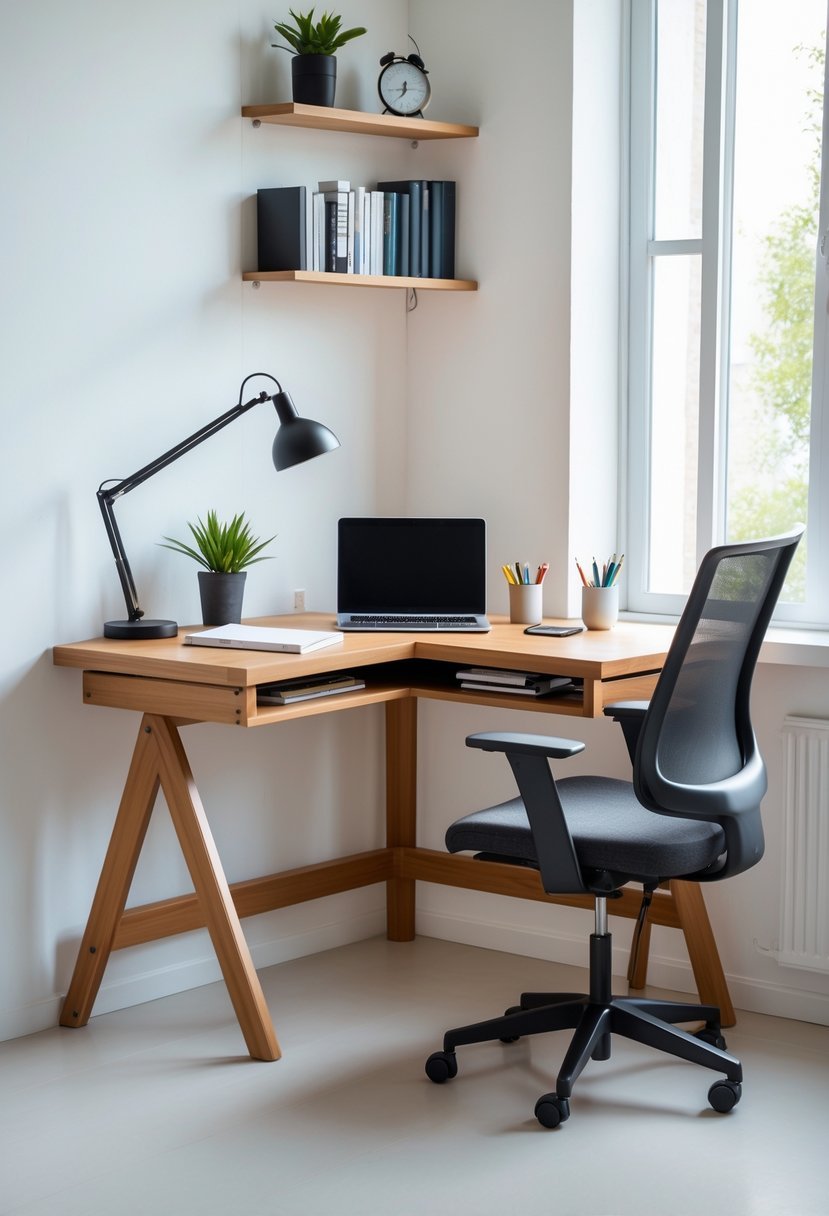
I believe corner study tables offer a smart way to utilize unused corners while providing a dedicated workspace that feels organized and functional.
With thoughtful design, these setups can blend style and utility, helping to create an environment conducive to learning and work.
15 Corner Study Table Ideas
1. Floating Corner Desk with Acrylic Chair
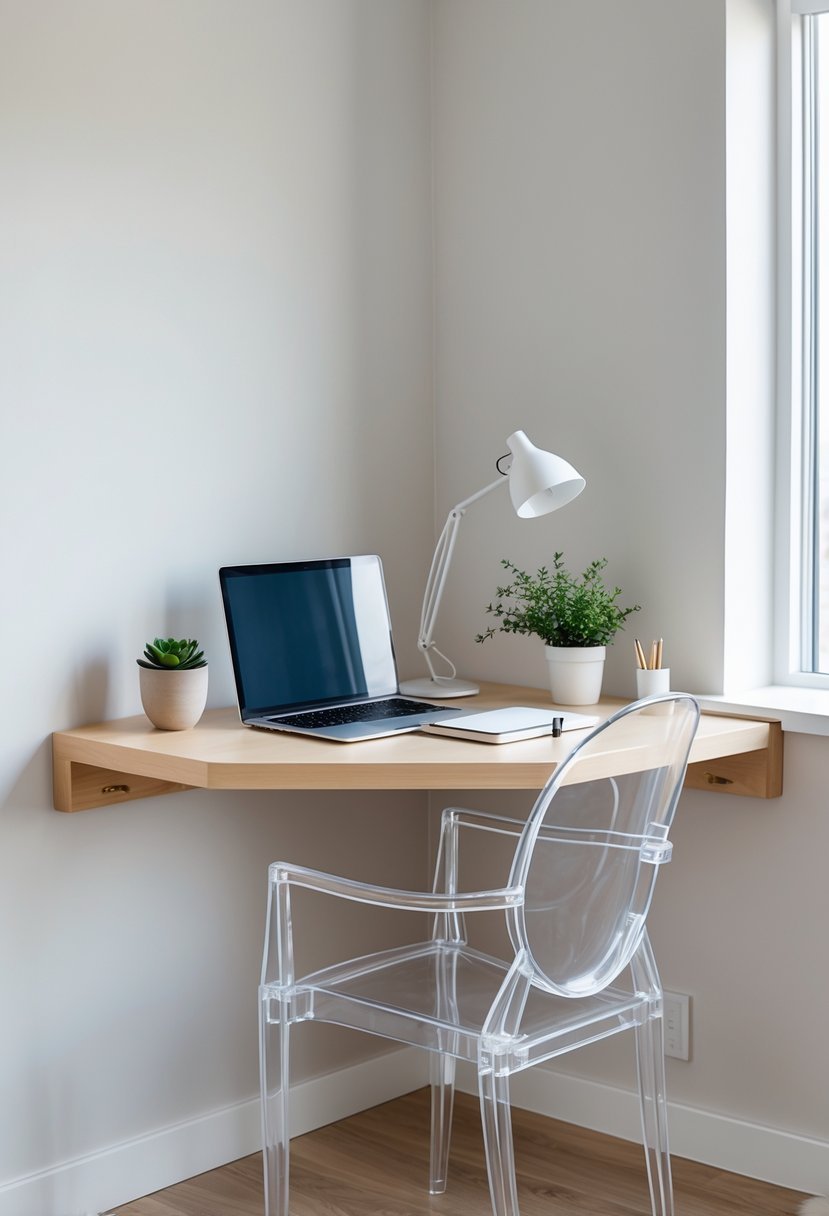
I like using a floating corner desk because it keeps my workspace open and uncluttered. The desk attaches directly to the wall, which saves floor space and makes the room feel larger.
Paired with an acrylic chair, the setup looks modern without overwhelming the area visually. The clear chair adds style while maintaining the light, airy feel.
This combination works well for tight spaces or minimalist rooms. It balances function and design without adding bulk.
2. Corner Study Table with Built-in Bookshelf
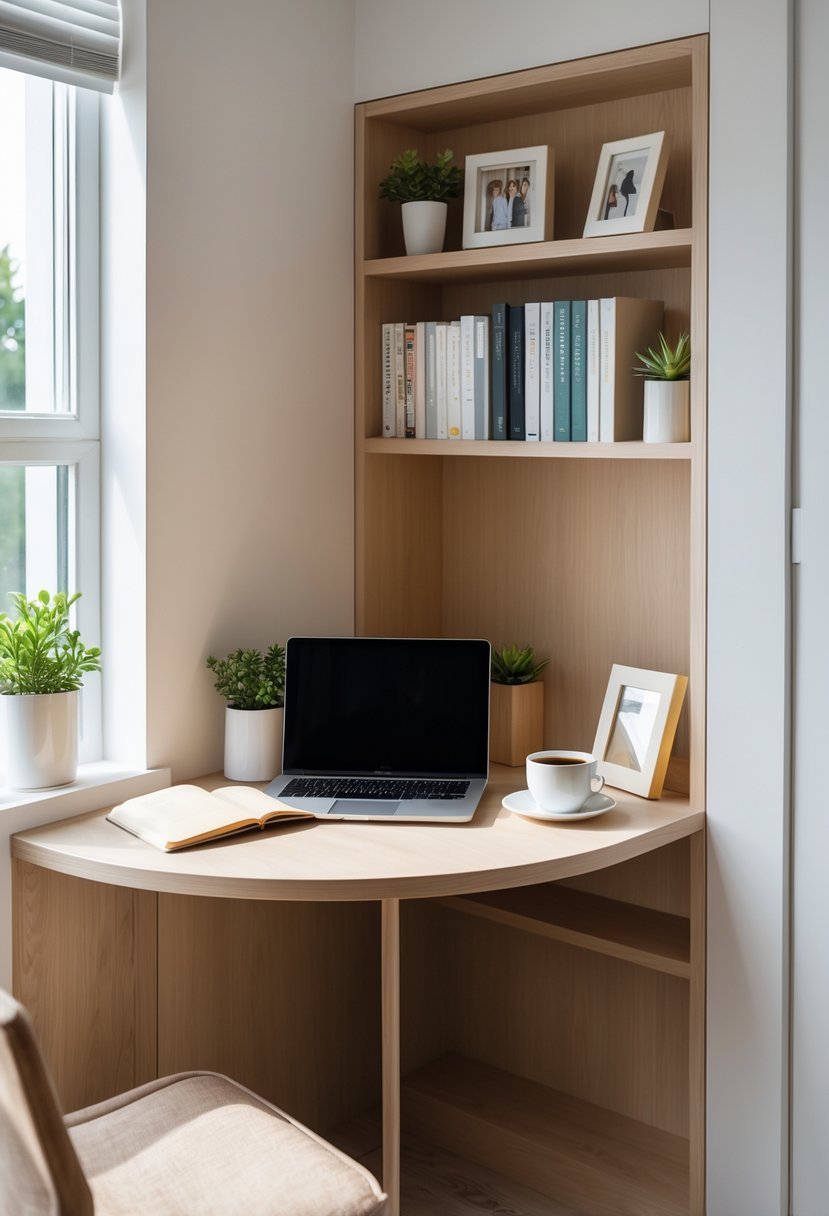
I find corner study tables with built-in bookshelves to be a practical use of space. They allow me to keep books and materials within easy reach without cluttering the desk surface.
The design often fits neatly into a corner, making it ideal for small rooms or tight spaces. It also creates an organized work area, which helps me stay focused.
Built-in bookshelves can vary in size, offering flexibility depending on how much storage you need. This combination supports both work and storage efficiently.
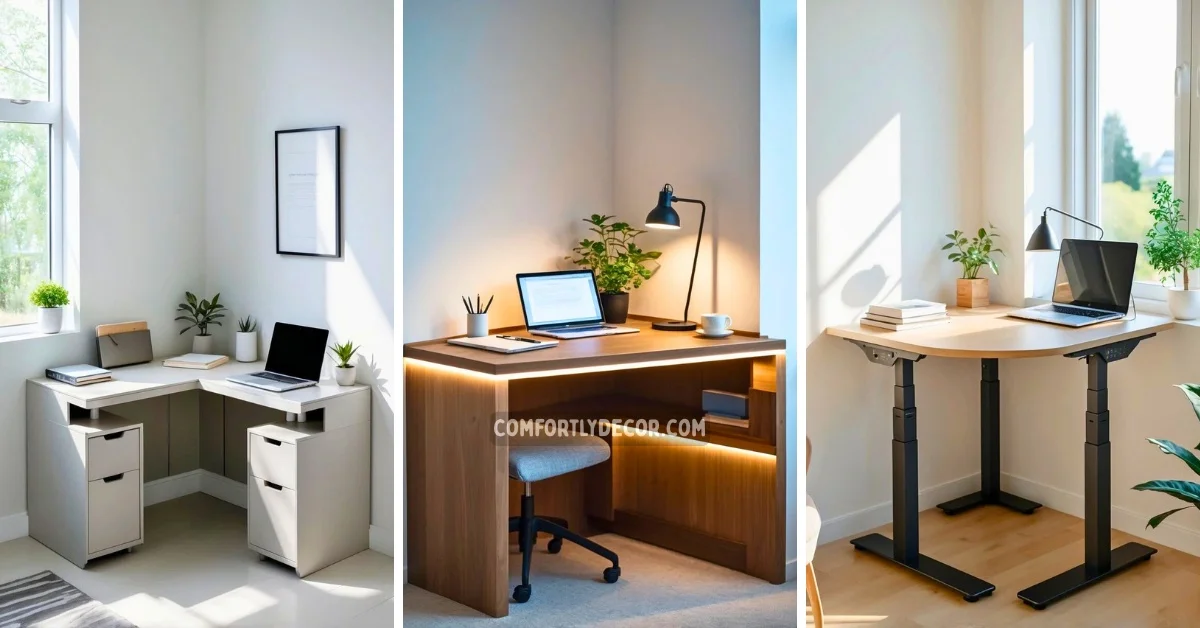
3. L-shaped Wood Corner Study Table
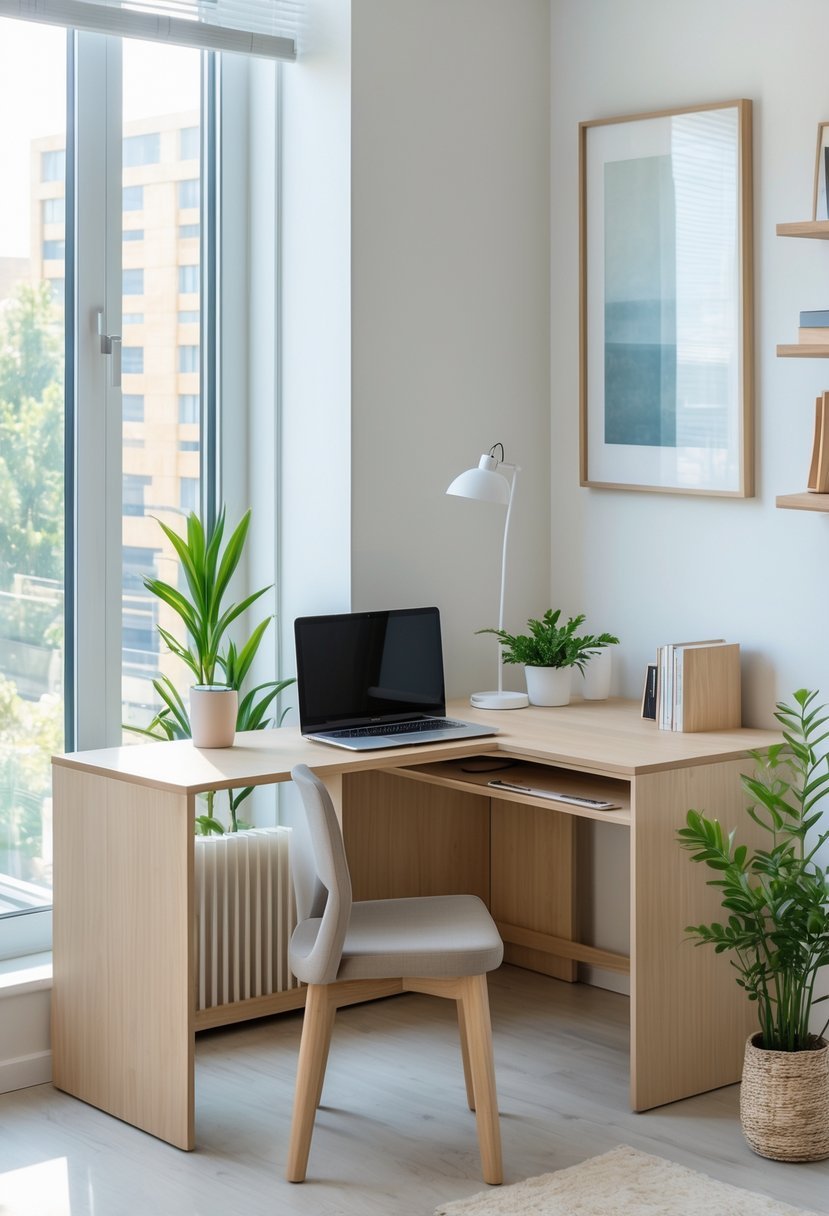
I find L-shaped wood corner study tables offer a practical use of space, especially in smaller rooms. The wood material adds durability and a classic look that fits many styles.
This design usually provides two separate surfaces, making it easy to organize books and a laptop simultaneously. The sturdy frame supports focused work without clutter.
4. Minimalist Metal Frame Corner Desk
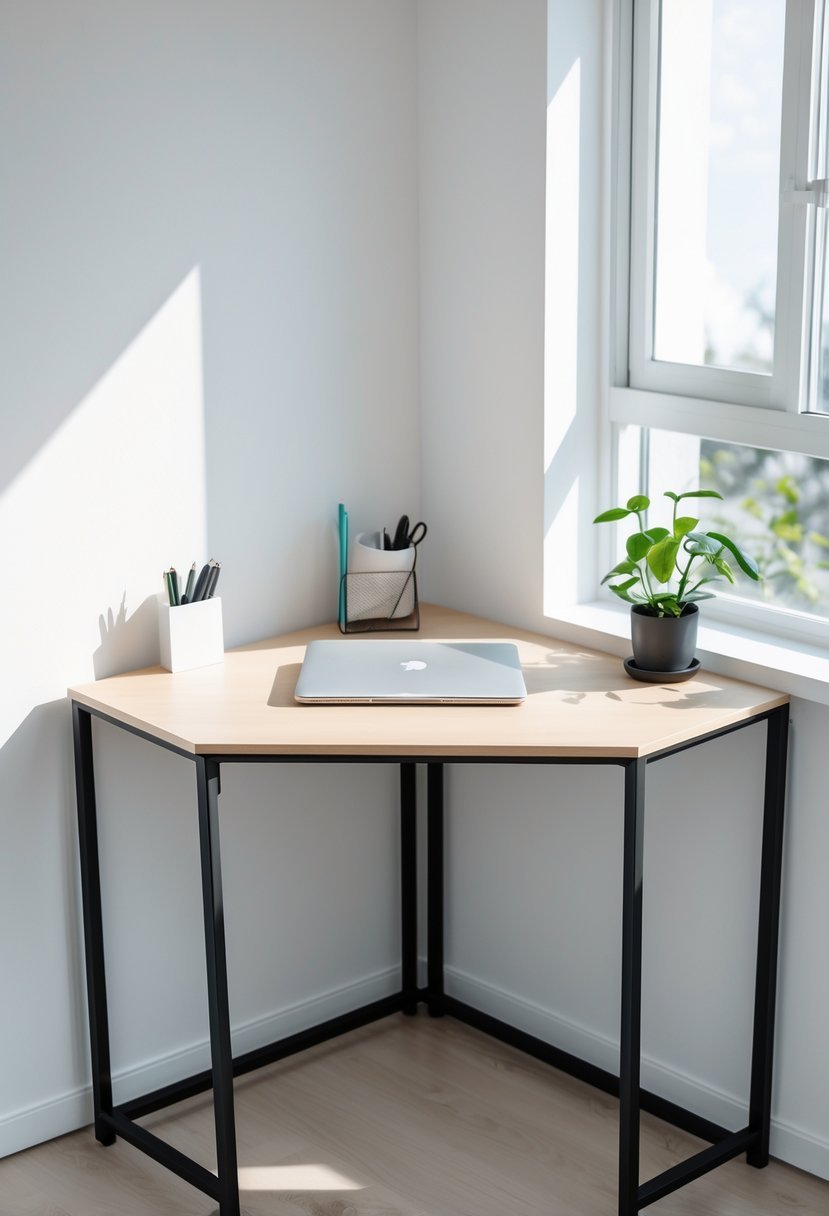
I prefer minimalist metal frame corner desks for their clean, modern look. The metal legs provide sturdy support while keeping the design lightweight and open.
Pairing the frame with a glass or simple wooden top creates an airy workspace, letting natural light flow freely. This setup fits well in small rooms where I want to avoid clutter.
Cable management is often integrated, helping maintain a tidy surface. It’s a practical choice that balances style and function effectively in my study area.
5. Compact Foldable Corner Study Table
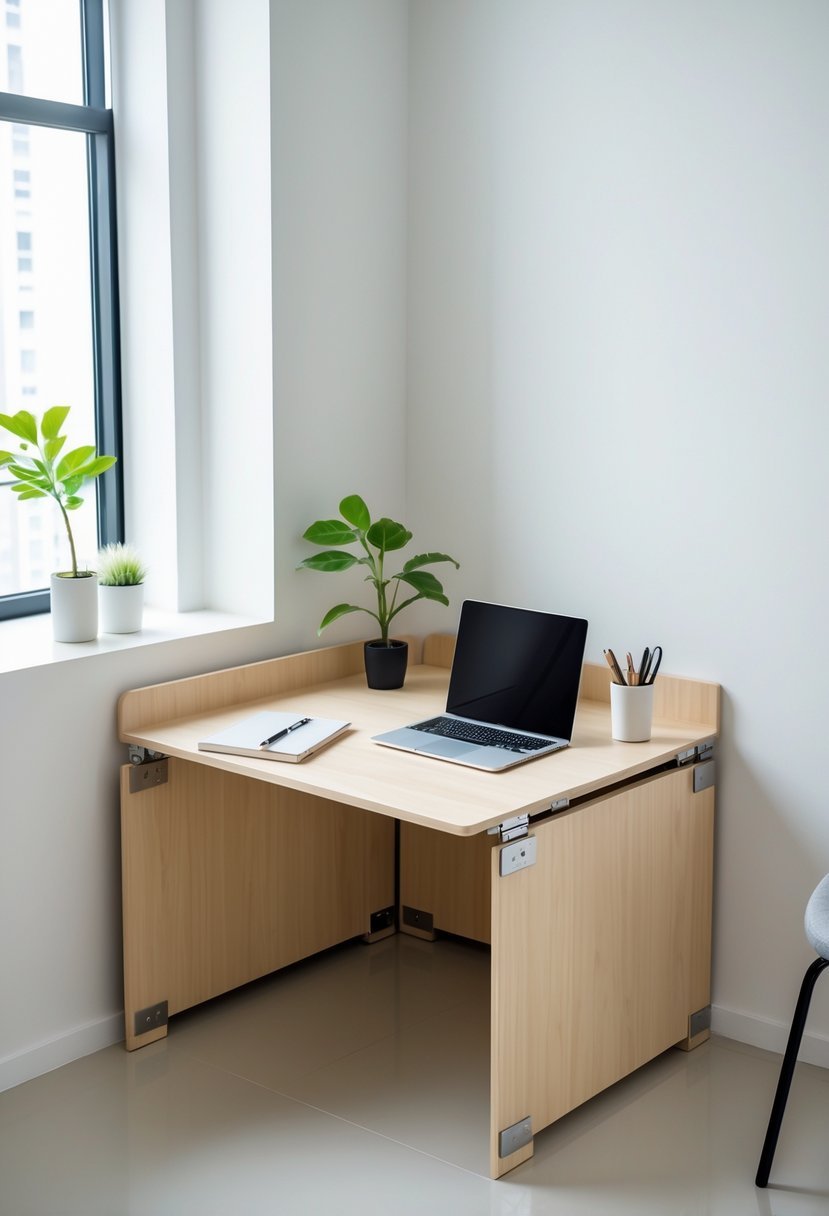
I prefer a compact foldable corner study table because it saves space effectively. When not in use, it folds away neatly, leaving the corner free. This flexibility suits small rooms or shared spaces.
The design often includes storage compartments or shelves, adding functionality without taking extra space. It is ideal for creating an efficient study zone while keeping the area clutter-free.
6. Corner Desk with Cable Management System
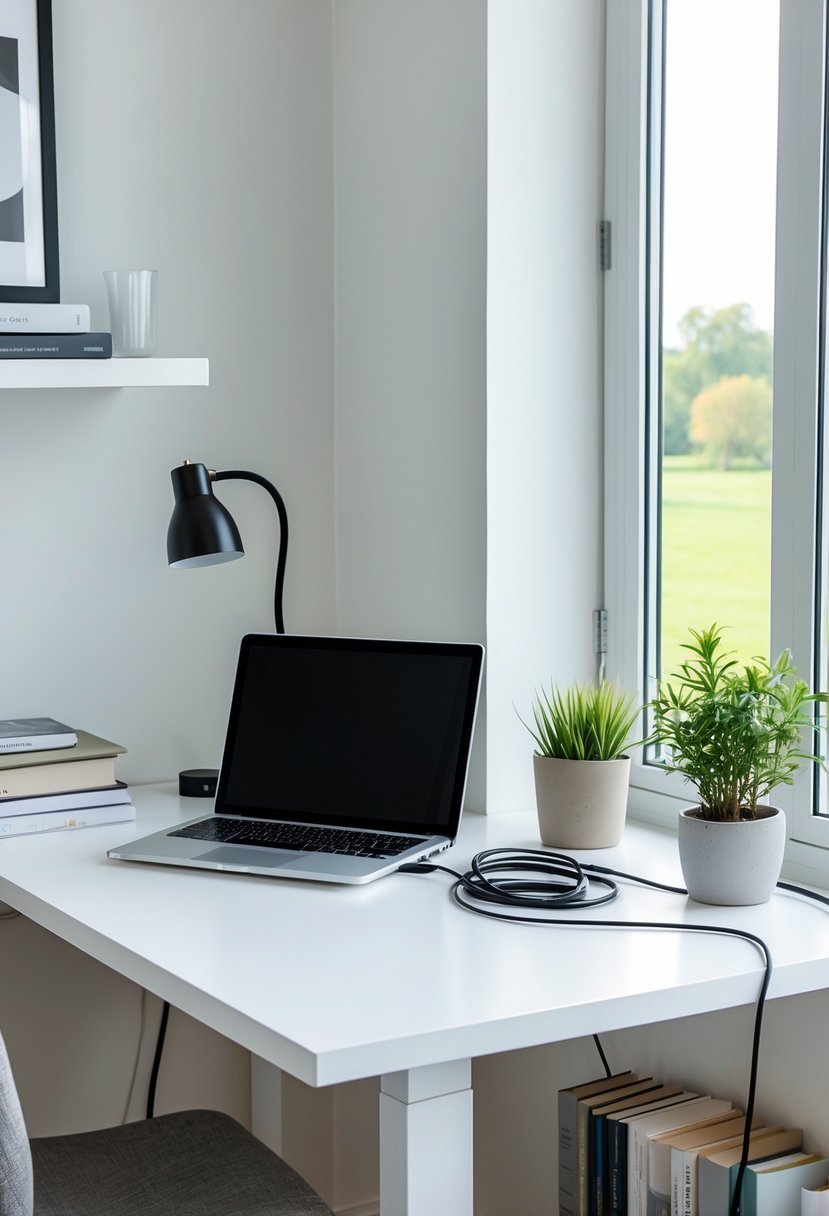
I prefer corner desks with built-in cable management because they keep my workspace tidy and efficient. They often include holes or channels to route wires, preventing clutter.
This setup helps me focus by reducing distractions from tangled cords. It also makes cleaning easier and protects cables from damage.
Choosing a corner desk with a well-designed system improves both the look and functionality of my study area. It’s a simple way to maintain order in a busy workspace.
7. Wall-mounted Floating Corner Table
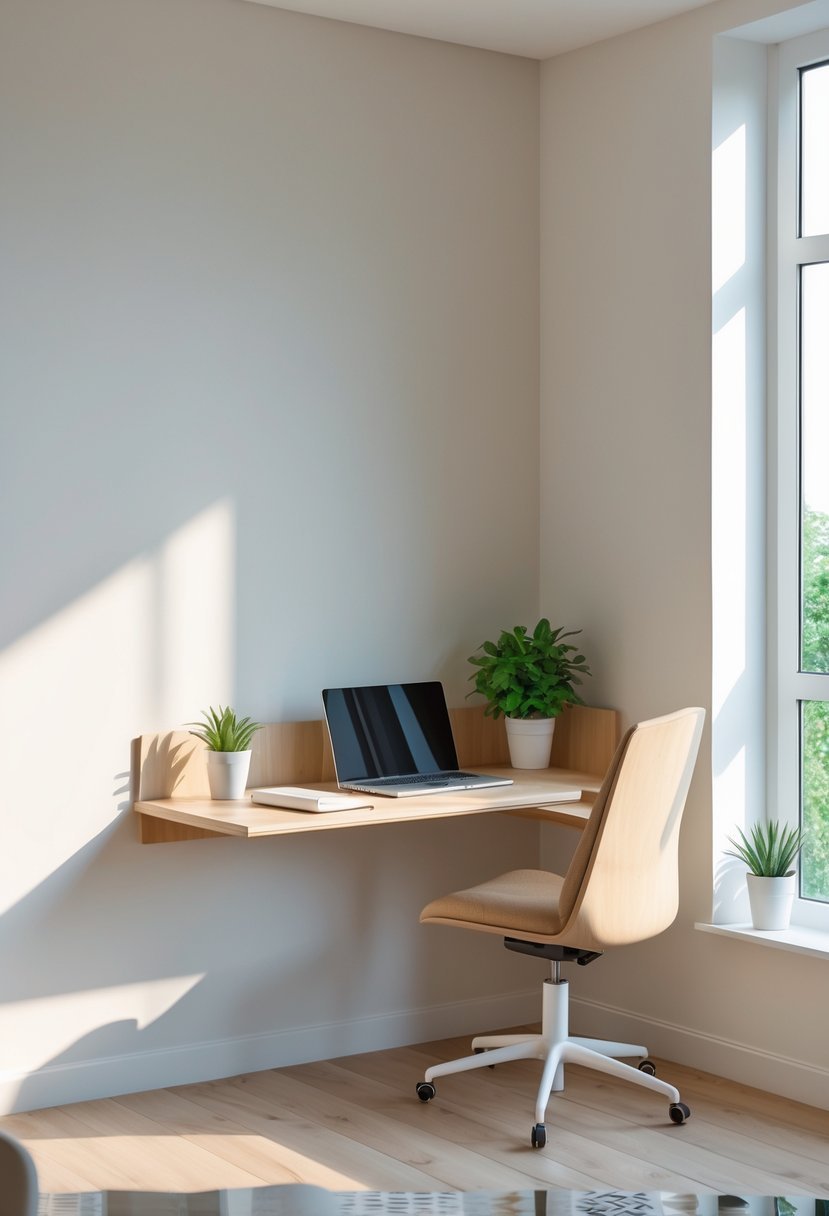
I find wall-mounted floating corner tables to be an excellent choice for small spaces. They save floor area while offering a clean, minimalist workspace.
The design fits snugly into corners, allowing me to maximize often unused space. Despite their compact size, they provide enough surface for a laptop and essentials.
Installing one creates a neat, clutter-free environment. It’s also easy to pair with shelves or storage units for added functionality.
8. Corner Table with Adjustable Height
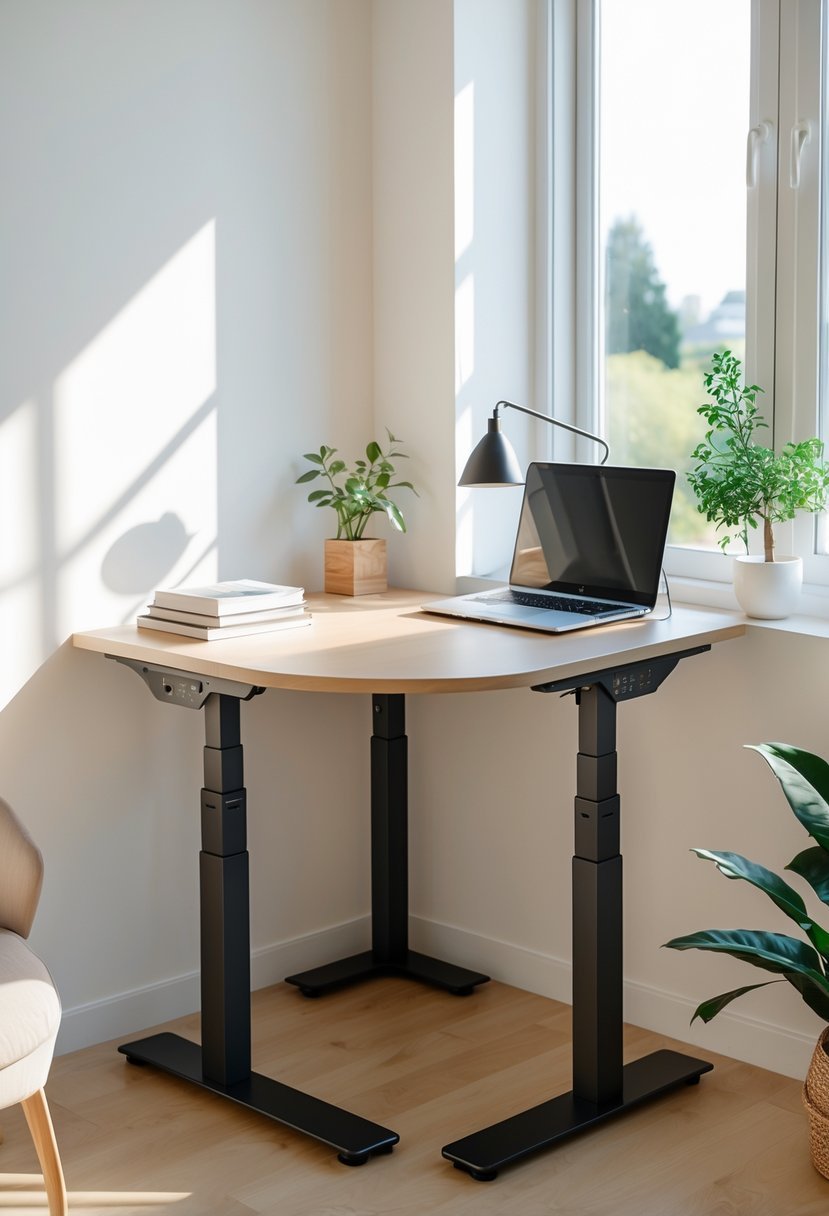
I find corner tables with adjustable height very practical for adapting to different tasks. They allow me to switch between sitting and standing, which helps reduce fatigue during long study sessions.
These tables fit well in small spaces and can be personalized to ergonomic needs. The ability to change height also makes them useful if multiple people share the same workspace.
Materials and quality vary, so I always check for sturdy frames and smooth adjustment mechanisms before choosing one.
9. Rustic Reclaimed Wood Corner Desk
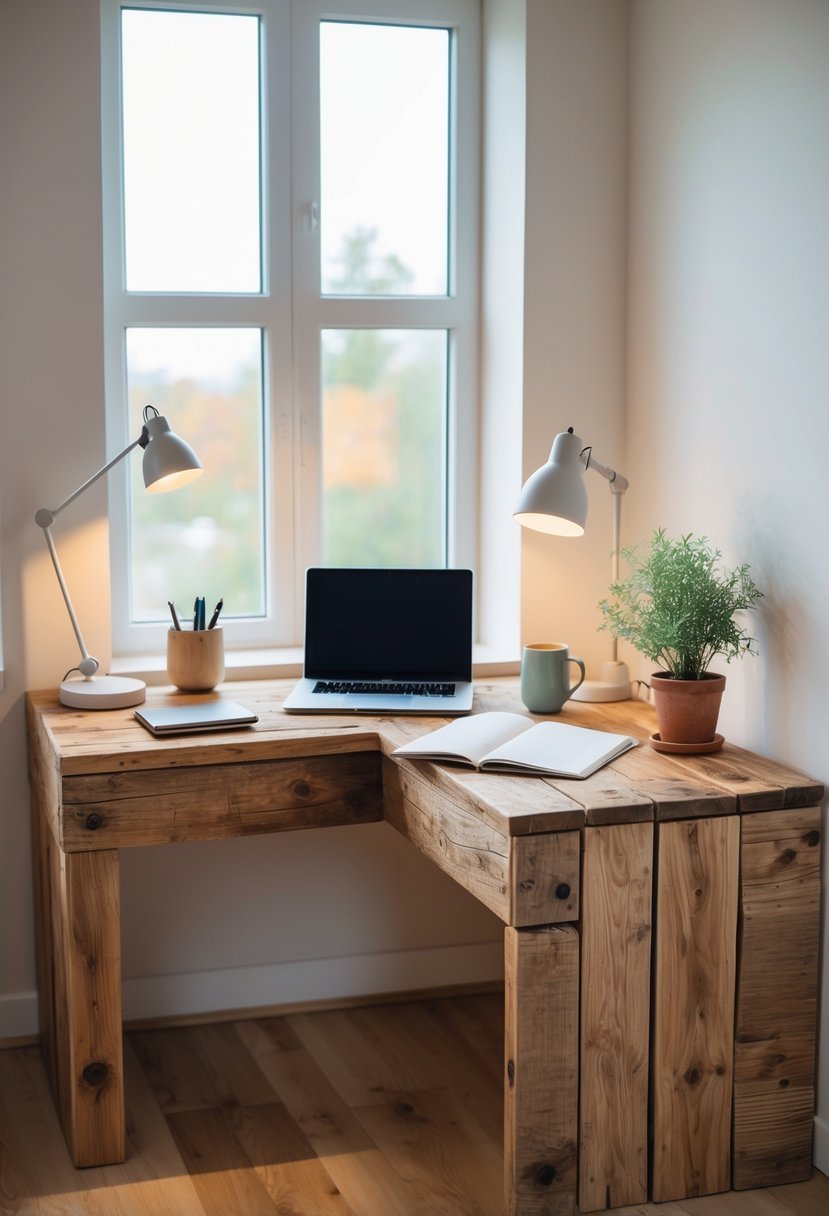
I appreciate how a rustic reclaimed wood corner desk brings character to a study space. The natural texture and imperfections of reclaimed wood create a warm, inviting atmosphere.
Building or choosing one allows customization in size and finish, fitting various room layouts and styles. Its durability and unique look make it a practical yet stylish choice.
I find the blend of old wood and modern metal brackets often used in these desks adds both strength and aesthetic appeal. This kind of desk works well for focused study or creative projects.
10. Corner Study Table with Integrated Lighting
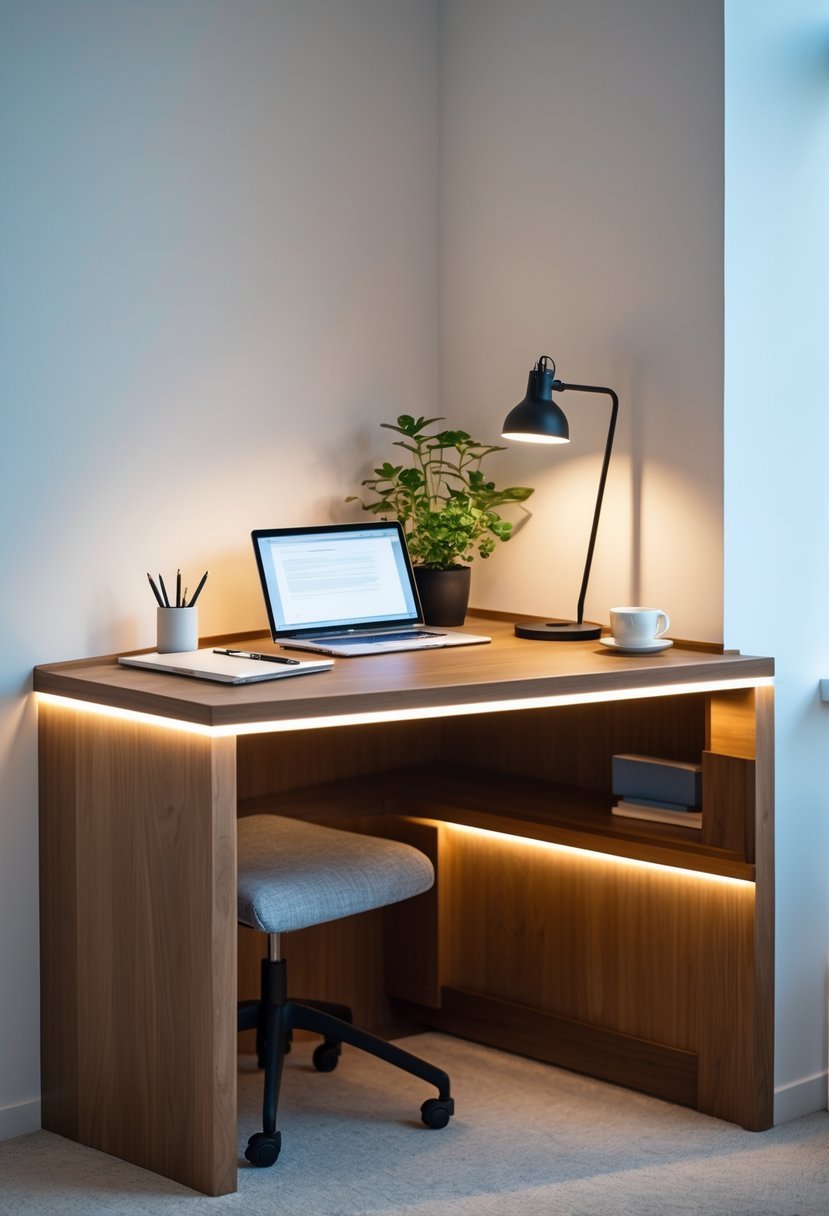
I find that integrated lighting on a corner study table significantly improves focus. Built-in lamps or directed pendant lights create an evenly lit workspace without clutter.
Choosing adjustable lighting helps customize brightness based on tasks or time of day. This feature keeps the area functional and comfortable, especially in corners lacking natural light.
In my experience, integrated lighting also enhances the overall design. It blends seamlessly with the table, maintaining a clean and modern look while supporting productivity.
11. Modern Corner Desk with Storage Drawers
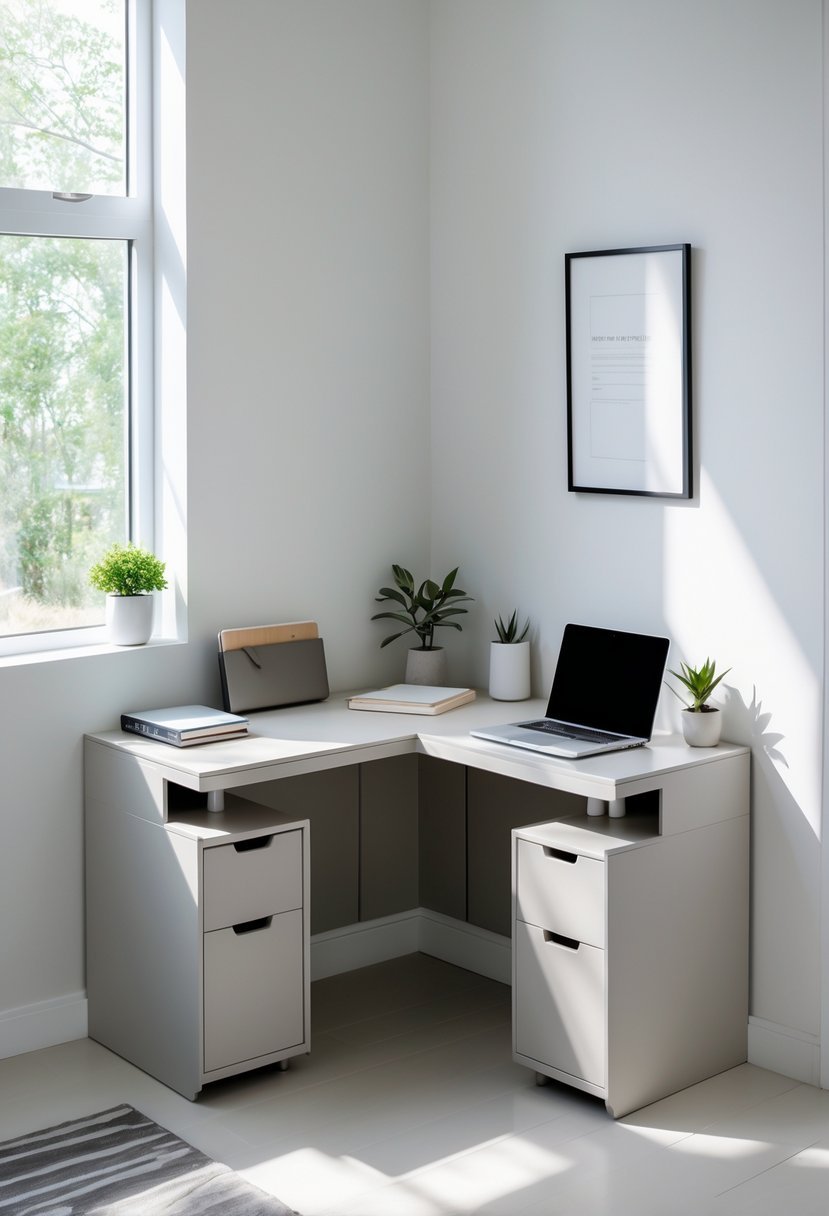
I find a modern corner desk with storage drawers essential for keeping my workspace organized. The drawers provide easy access to supplies without cluttering the tabletop.
Many designs pair sleek surfaces with functional compartments, balancing style and practicality. This setup works well in small rooms where every inch counts.
I also appreciate how integrated storage helps maintain a clean look. It allows me to focus better by reducing distractions from scattered items.
12. Glass Top Corner Study Table
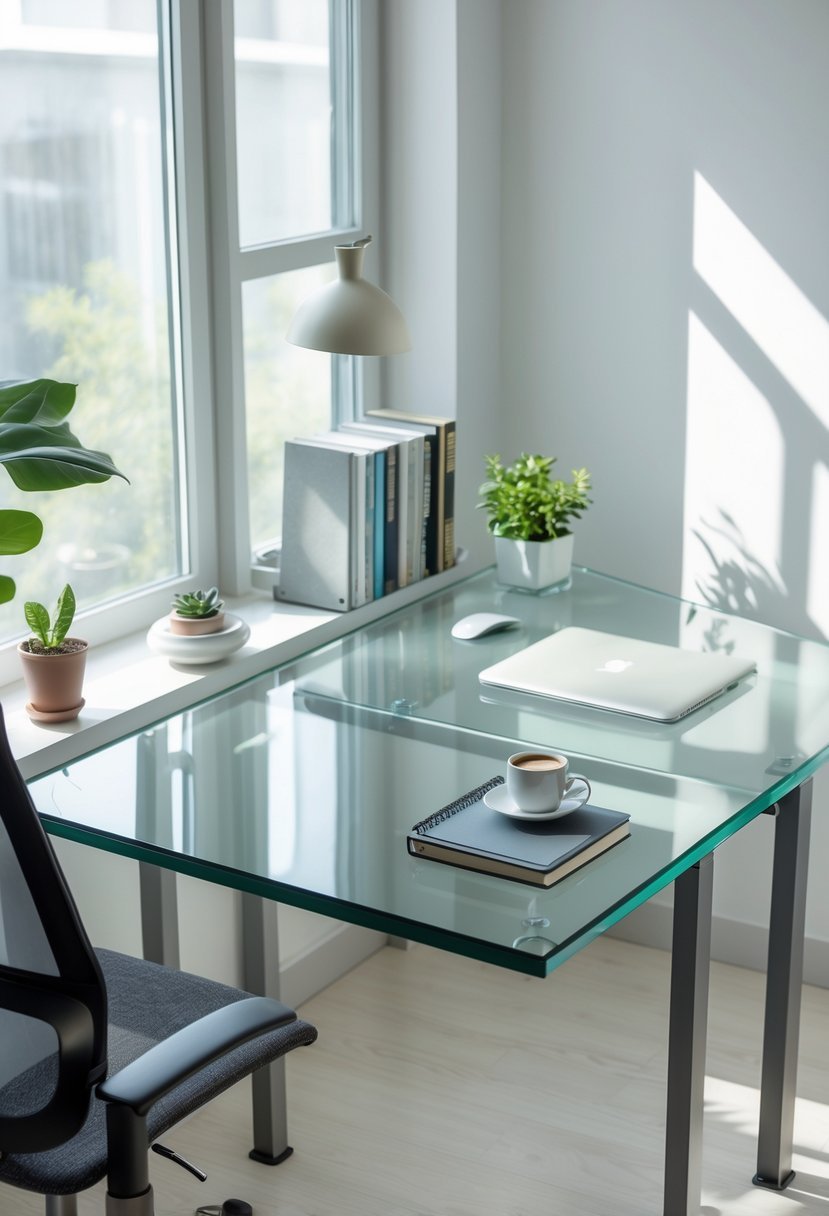
I find that a glass top corner study table adds a modern and sleek touch to any room. The reflective surface helps brighten the space, making even a small area feel more open.
My favorite part is how easy it is to clean and maintain. The transparency also lets me showcase decorative items beneath without cluttering the workspace.
This design works well with minimalist or contemporary décor, especially when paired with metal or gold accents. It creates a functional yet stylish study corner without overwhelming the room.
13. Corner Study Nook Near Window for Natural Light
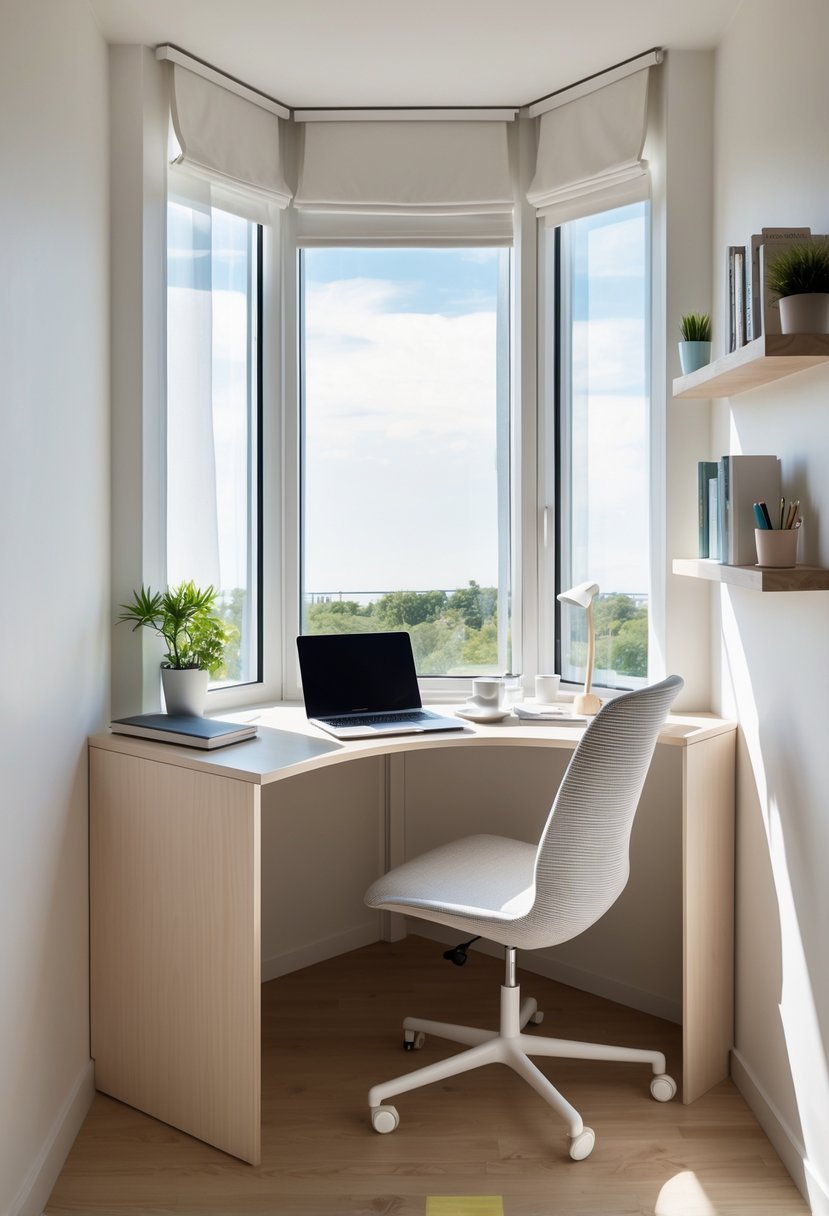
I find that positioning a corner study table near a window makes a big difference. Natural light reduces eye strain and helps keep me focused during long sessions.
A narrow desk facing the window works well, letting me enjoy the view without distraction. Proper seating with good back support is essential to maintain comfort.
I also add adjustable lighting for darker hours. This setup keeps the space bright and inviting while maximizing functionality.
14. Corner Table with Pegboard Organizer
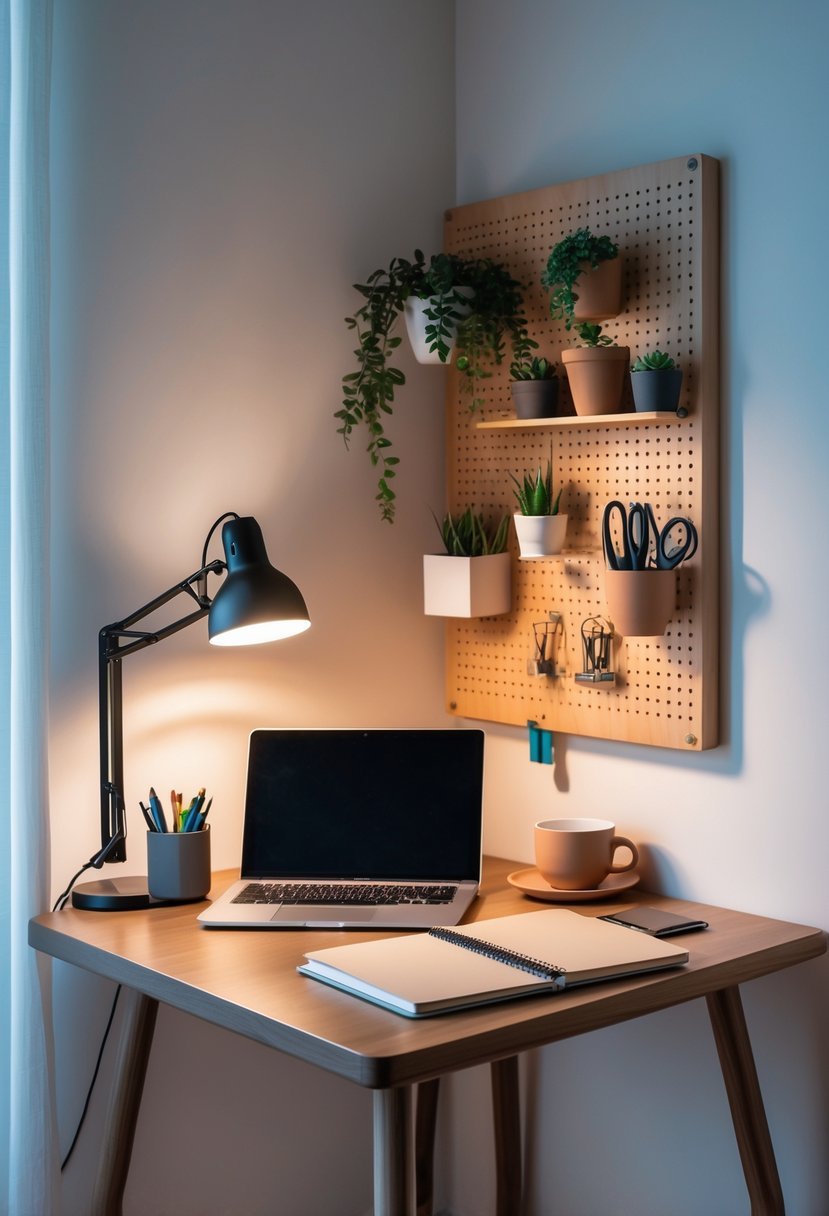
I like using a corner table with a pegboard organizer because it maximizes vertical space effectively. The pegboard holds hooks, baskets, and small shelves, keeping supplies within easy reach. It also helps me keep the workspace tidy by reducing clutter on the desk surface.
This setup works well in small rooms or awkward corners, making the most of limited space. I find that a white pegboard reflects natural light nicely, brightening my area and improving focus. Regular cleaning is necessary to keep it looking neat since dust and fingerprints show easily.
15. Corner Table with Swivel Chair Setup
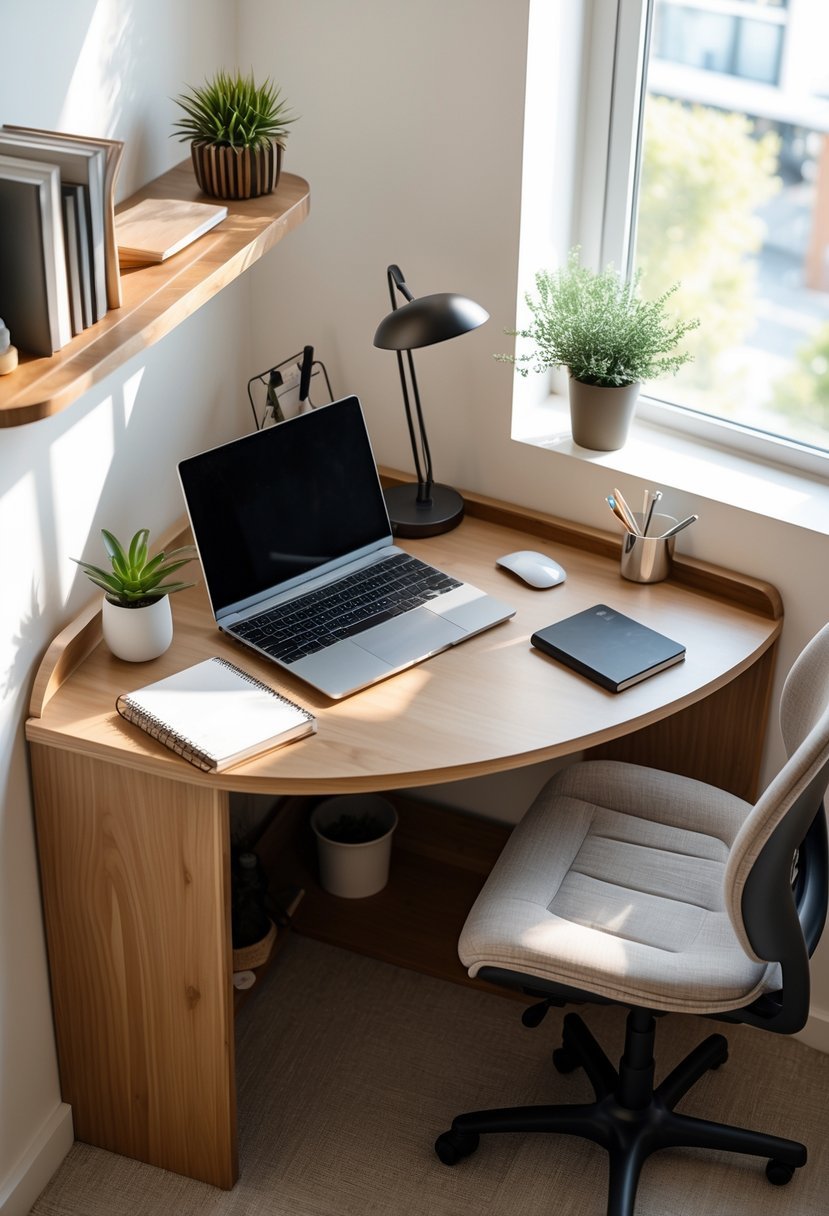
I find a corner table paired with a swivel chair to be an efficient study arrangement. The chair allows me to turn easily, reaching different parts of the desk or nearby shelves without strain.
This setup is practical for multitasking, especially when using multiple devices or reference materials. It maximizes limited space by fitting snugly into a corner while providing mobility through the swivel feature.
Adding proper lighting enhances focus. I often adjust the chair and table placement to suit my comfort and workflow, making it a flexible option for any small study area.
How I Create Efficient Corner Study Table Setups
When I want to design a productive study corner, I start by understanding what my space allows and what I truly need. Corner study tables are ideal because they make use of areas that would otherwise go unused.
By choosing the right table style, pairing it with smart storage, and paying attention to lighting, I can create a compact workspace that feels both comfortable and efficient.
1. Choose the Table Style Based on Your Room Size
Floating desks and glass tops help small rooms feel open. L shaped tables and tables with shelves work better when I want more surface area or storage. I let the room guide my choice so the setup blends naturally.
2. Measure the Corner Carefully
Corners can be tricky. I measure width, depth, and the height of nearby windows or outlets before I pick a desk. This prevents crowding and ensures the table fits well with the rest of the layout.
3. Prioritize Lighting for Focus
Good lighting is essential for productivity. I rely on natural light when possible, especially when placing the desk near a window.
For darker corners, I use directed lamps or built in lighting. Soft, even light keeps me focused without straining my eyes.
4. Use Vertical Space for Organization
Shelves, pegboards, hooks, or cork boards help me keep the surface clear. When I move clutter upward instead of outward, the entire corner feels larger and more functional.
5. Add Ergonomic Comfort
A supportive chair, proper desk height, and cable management keep my study area comfortable and clean. I avoid bulky furniture and choose pieces that help me maintain proper posture during long sessions.
6. Keep the Style Cohesive
I match the table material to the rest of the room. Wood brings warmth, metal brings a modern touch, and acrylic or glass keeps things airy. A cohesive style helps the corner feel intentional, not improvised.
With these steps, I can turn almost any corner into an efficient, organized, and inviting workspace.
FAQs
Designing Smart Corners For Better Productivity
I enjoy creating corner study areas because they show how efficient and stylish a small space can be. With the right table, thoughtful lighting, and smart storage, even the smallest corner can become a productive zone.
When I design with intention, the corner becomes more than a workspace. It becomes a place that supports focus, comfort, and creativity throughout the day.

I am Mindy Medford, a home décor, paint, and design specialist with over a decade of hands-on experience transforming ordinary spaces into cozy, personality-packed havens. Since 2013, I have been helping homeowners discover the art of beautiful yet practical design. I share my love for color, texture, and layout—making stylish interiors & exteriors feel achievable for everyone. Whether it’s picking the perfect paint shade or reimagining a small space, I’m here to guide and inspire.