15 Best Basement Drop Ceiling Ideas
Basements often get a bad rap. You walk downstairs and it feels like a dungeon or a storage unit for things you probably should throw away. I know the feeling well because I spent years staring at exposed pipes and wires in my own basement. It was ugly. But then I discovered the world of drop ceilings and everything changed.
A drop ceiling does not just cover up the mess. It totally transforms the vibe of the room. You might think drop ceilings are only for boring offices or classrooms but you would be wrong.
15 Basement Drop Ceiling Ideas
There are so many cool styles out there now. I want to share my top picks with you so you can turn your basement into a space you actually want to be in.
1. Classic White Fissured Tiles
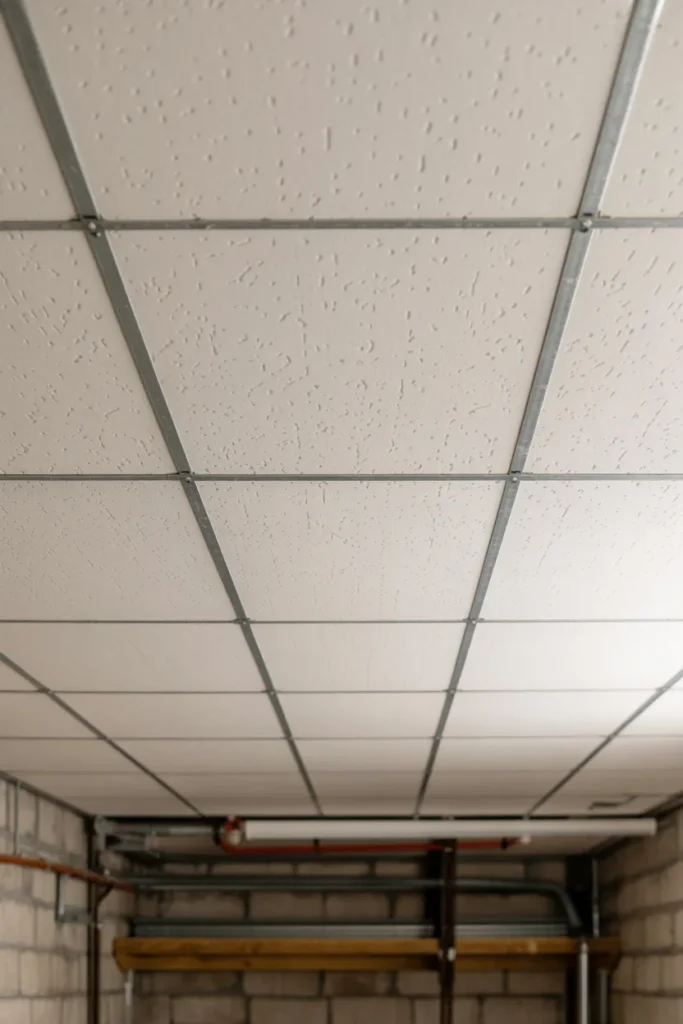
Let us start with the most common option you see everywhere. White fissured tiles are the standard for a reason. They are cheap and easy to find at any hardware store. I admit they are not the most exciting thing in the world but they get the job done.
If you just want to cover up the joists and pipes without spending a fortune this is the way to go. They brighten up the room because they reflect light really well. Just make sure you do not stare at them too long or you might get flashbacks to high school math class.
2. Faux Tin Ceiling Tiles
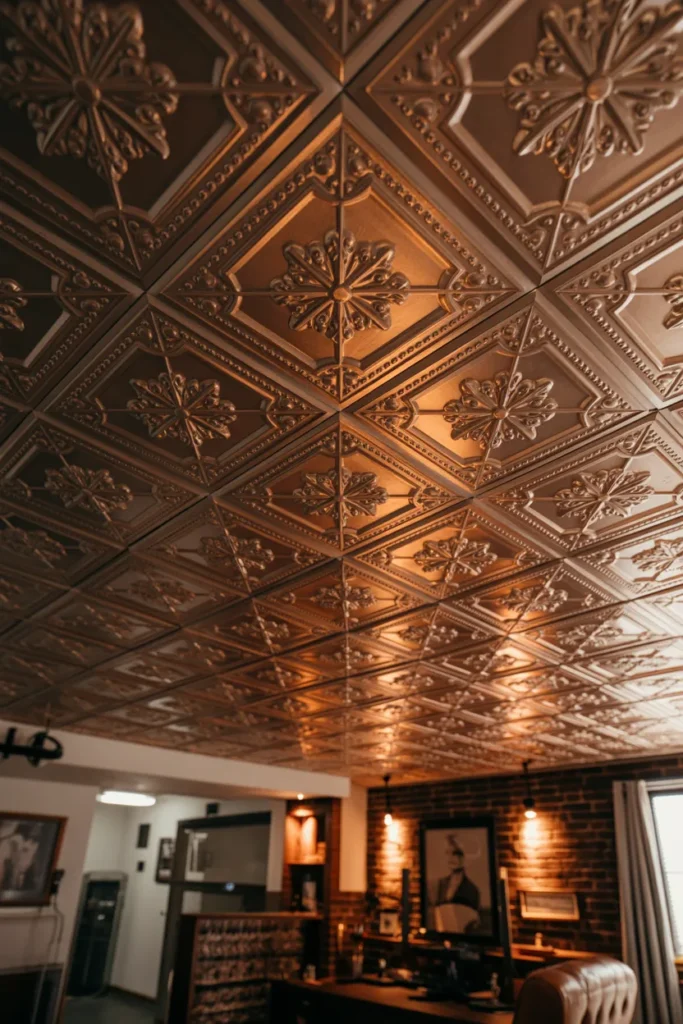
I absolutely love the look of tin ceilings. They add so much character and vintage charm to a room. Real tin can be expensive and hard to install but faux tin drop ceiling tiles are a game changer. They look just like the real thing but they are made of lightweight materials like PVC.
You can find them in all sorts of finishes like copper or silver or even painted white. I installed these in a small section of my basement and everyone thinks they are original to the house. It is a great way to trick people into thinking you have fancy taste.
3. Blacked Out Ceiling
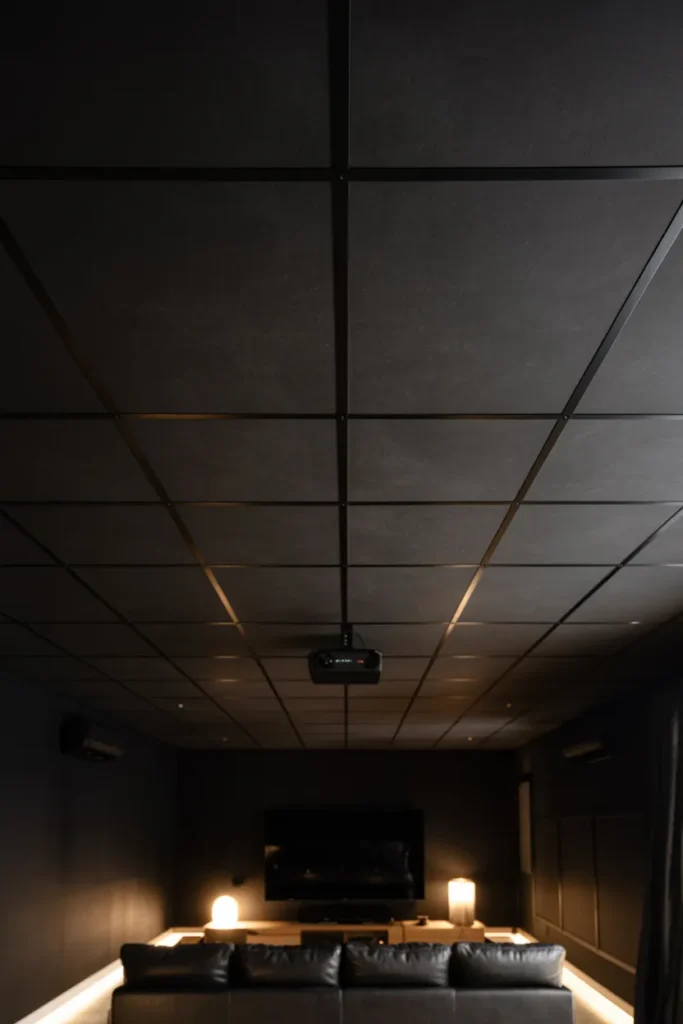
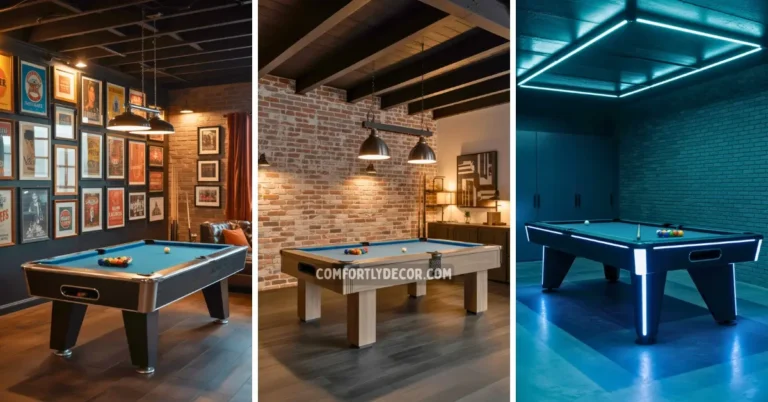
Painting everything black is a bold move but it pays off. You can buy black ceiling tiles and a black grid system to create a sleek and modern look. This works especially well if you are turning your basement into a home theater or a gaming room.
The dark color helps the ceiling disappear so you focus on the screen or the decor. I honestly think it makes the ceiling feel higher because you cannot see exactly where it ends.
Plus it hides dust and cobwebs better than white tiles do. Just make sure you have good lighting elsewhere or you might trip over your own feet.
4. Coffered Ceiling Tiles
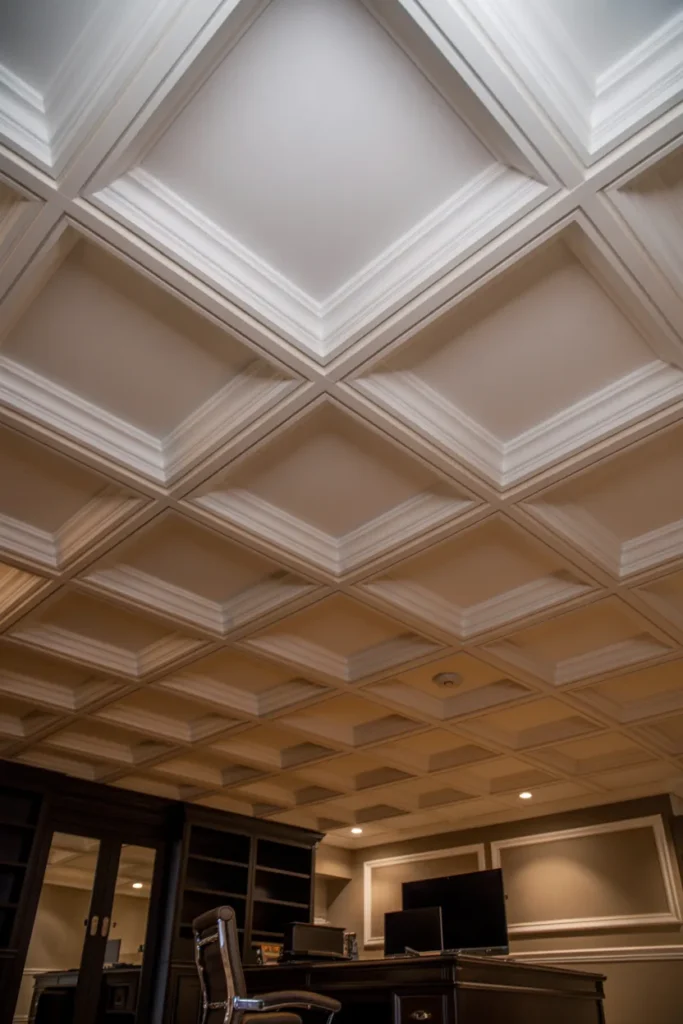
Coffered ceilings look expensive and elegant. They have sunken panels that add depth and texture to the room. Usually you see these in fancy libraries or dining rooms but you can get drop ceiling tiles that mimic this look perfectly.
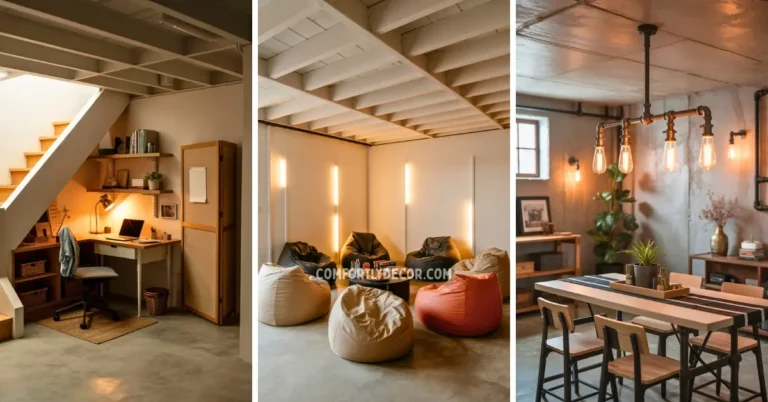
I used these in my home office setup downstairs and it makes me feel like a CEO. They come in different depths so you can choose how dramatic you want the effect to be. The grid system can be a bit tricky to line up perfectly but the result is worth the effort. It definitely beats looking at ductwork all day.
5. Wood Look Planks
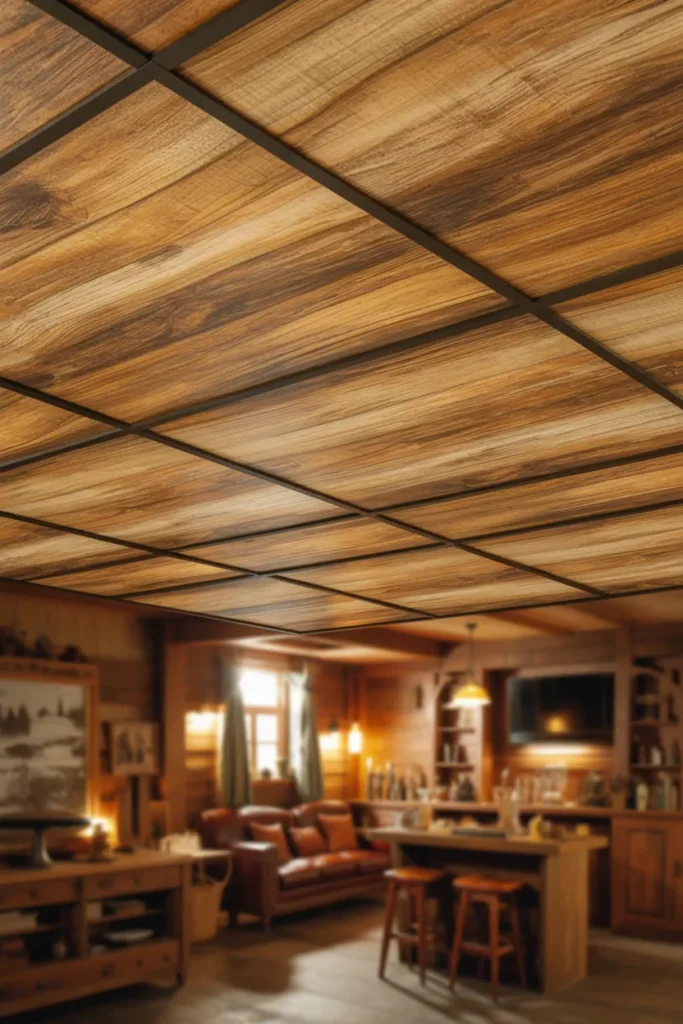
If you want warmth and coziness then wood look tiles are the answer. These are usually made of mineral fiber or PVC but they have a wood grain print on them. They give you the rustic cabin vibe without the hassle of installing heavy real wood planks.
I have seen these used in basement bars and they look amazing. They pair really well with warm lighting and comfortable furniture. The best part is that they are moisture resistant which is huge for basements. Real wood can warp if it gets damp but these fake ones stay looking fresh forever.
6. Smooth White Panels
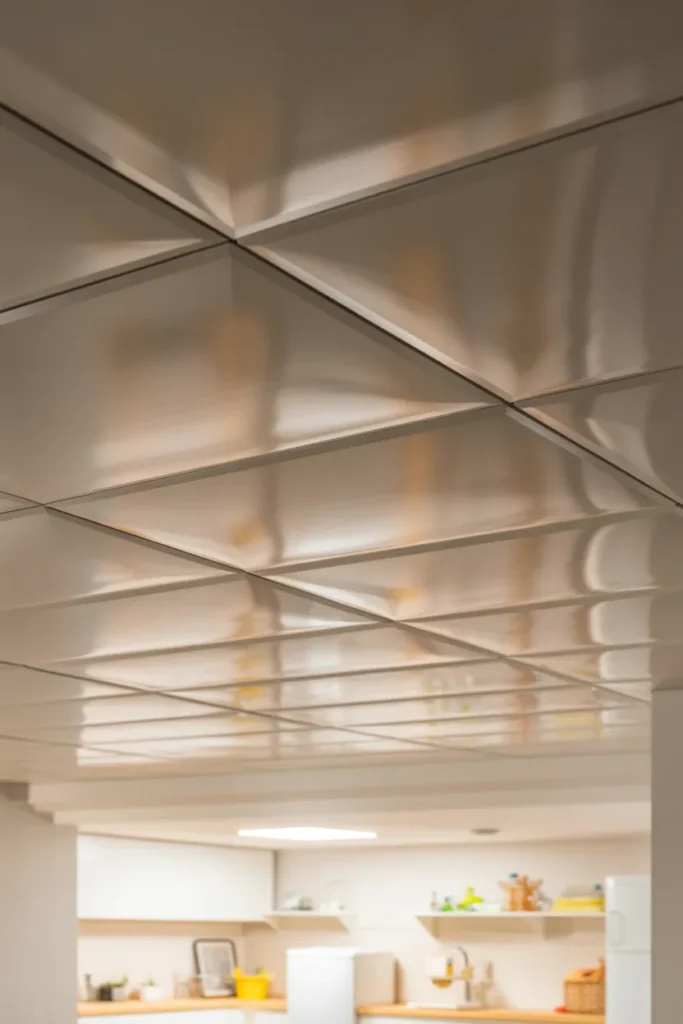
Sometimes you just want something clean and simple. Smooth white panels are a step up from the fissured ones because they lack those little crater marks. They look much more modern and polished in my opinion.
These are great if you have a low ceiling because they reflect the most light and make the space feel airy. I recommend these for laundry rooms or playrooms where you want things to look bright and cheerful. They are also super easy to wipe down if they get dirty. Believe me I have tested this after a soda explosion incident.
7. Translucent Panels
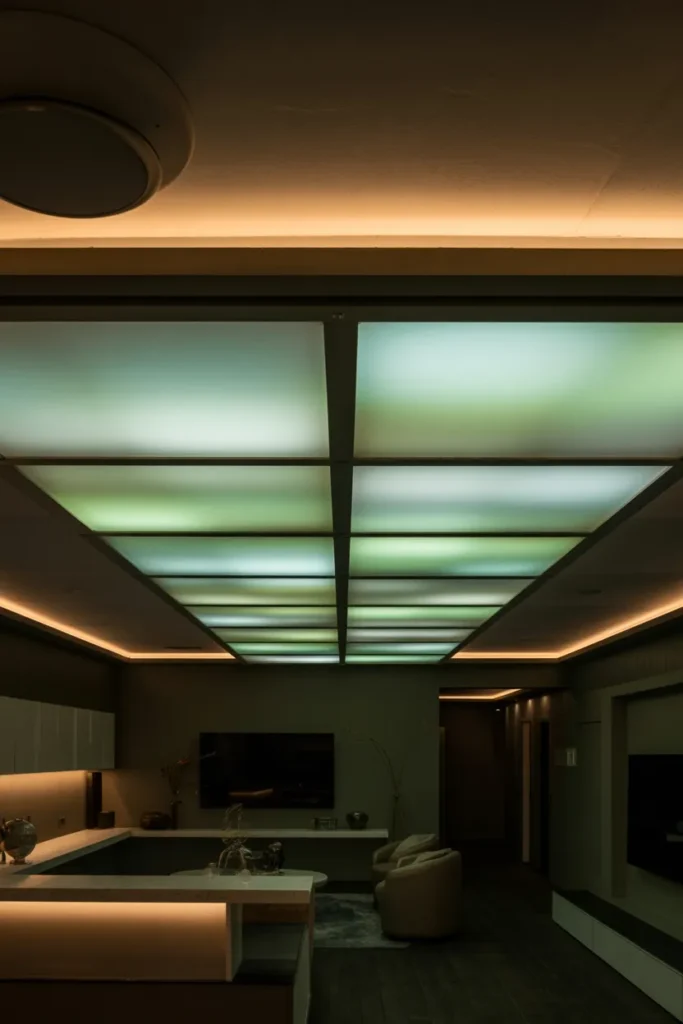
This is a really cool idea if you want to play with lighting. Translucent panels allow light to pass through them. You can install LED strip lights above the grid and create a glowing ceiling effect.
It looks like something out of a sci fi movie. I think this would be epic for a party room or a music studio. You can even get colored lights to change the mood whenever you want. Just be prepared to explain to your guests why your ceiling is glowing. It is definitely a conversation starter.
8. Acoustic Panels
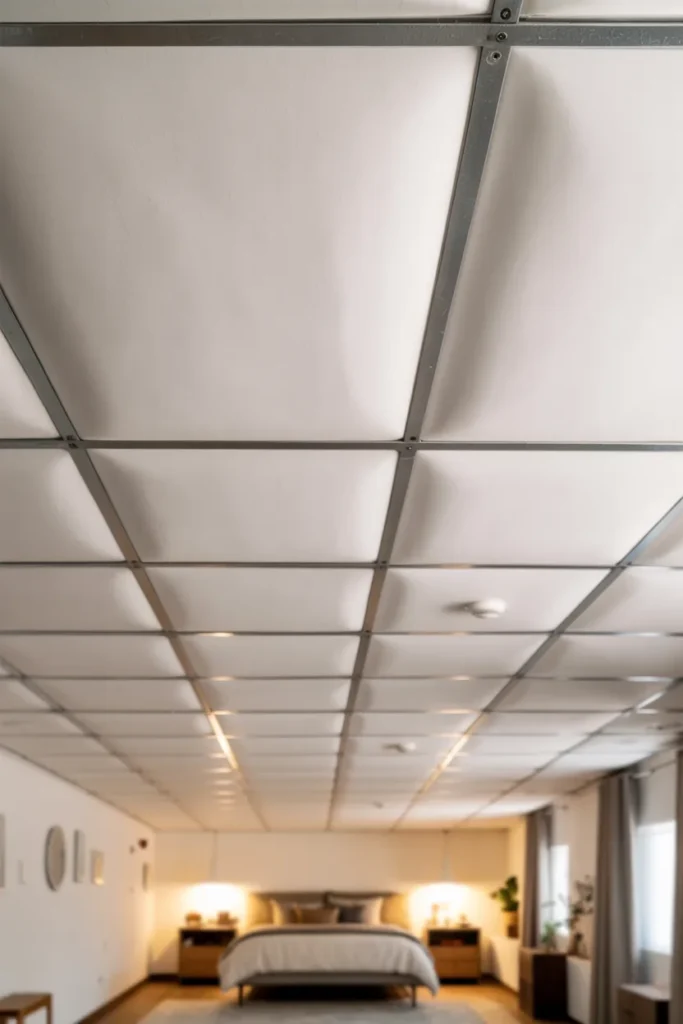
Basements can be noisy. You hear footsteps from upstairs or the furnace rumbling. Acoustic ceiling tiles are designed to absorb sound and make the room quieter. They are thicker and denser than standard tiles.
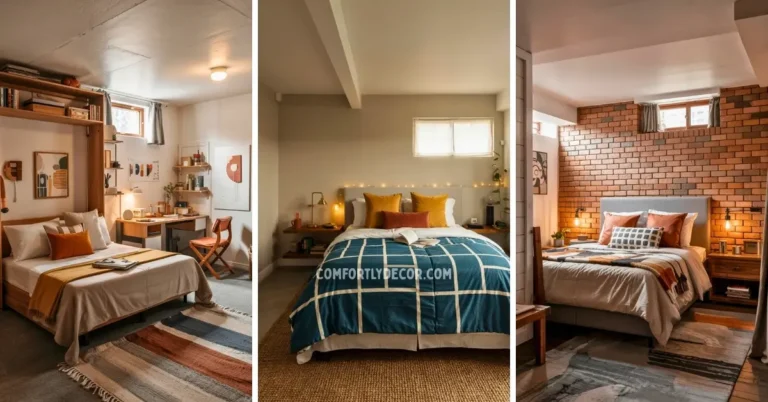
I installed these when I turned part of my basement into a bedroom for guests. It made a huge difference in blocking out the noise from the kitchen above. Your guests will thank you for the peace and quiet. Plus they look just like normal tiles so you do not sacrifice style for function.
9. 3D Textured Tiles
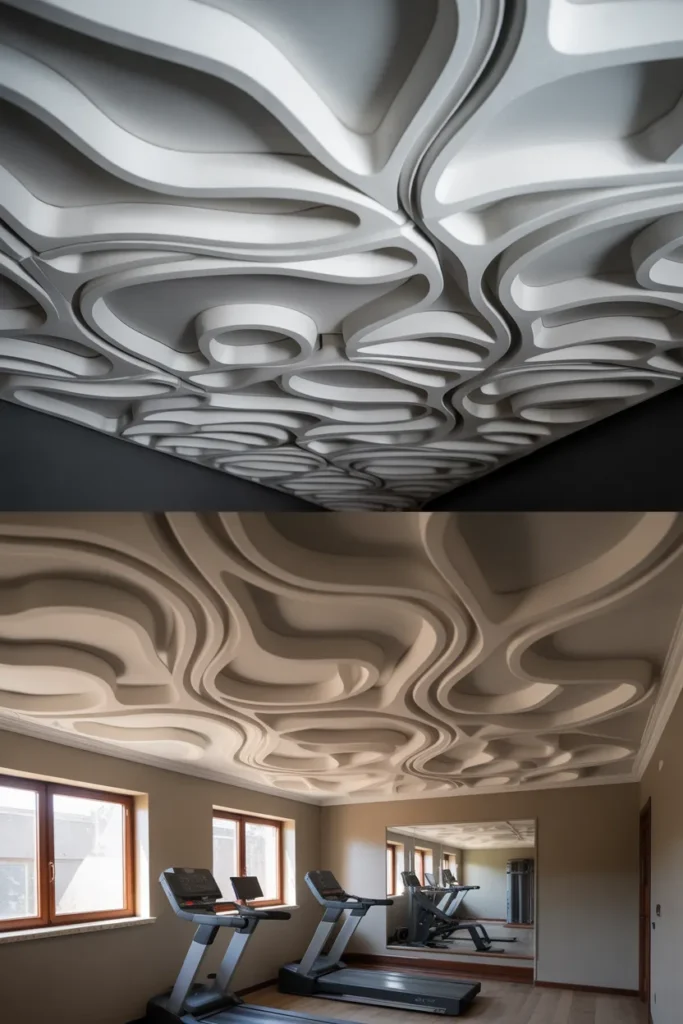
Why settle for flat when you can have 3D? Textured tiles have raised patterns that pop out. You can find waves or geometric shapes or even floral designs. They add a sculptural element to the ceiling that is really unique.
I saw a basement gym with wave pattern tiles and it looked so energetic. The shadows created by the texture change throughout the day as the light moves. It is a fun way to add visual interest without adding color. Just be careful when cleaning them because dust likes to hide in the crevices.
10. Mirror Tiles
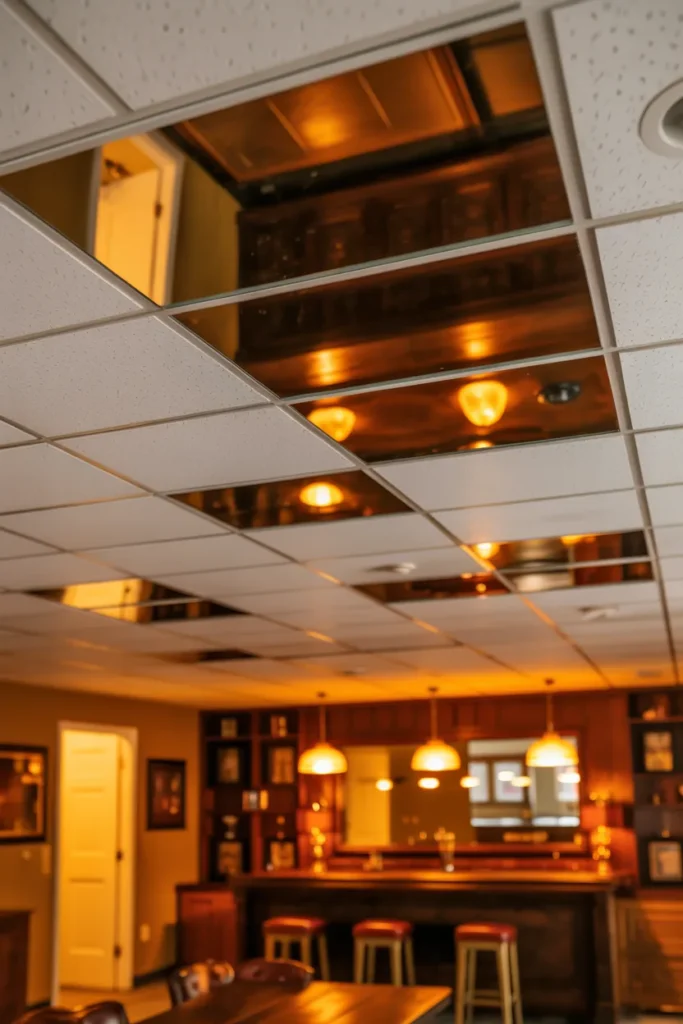
Okay hear me out on this one. Mirror tiles can actually work in the right setting. They reflect the room below which makes the space feel twice as big. This is a classic trick for small cramped basements.
I would not do the whole ceiling in mirrors unless you want a funhouse vibe. But using them as accents or in a specific area like a bar can be really effective. It adds a bit of glitz and glamour.
Just make sure you are okay with seeing yourself from every angle. It can be a bit startling at first.
11. Corrugated Metal
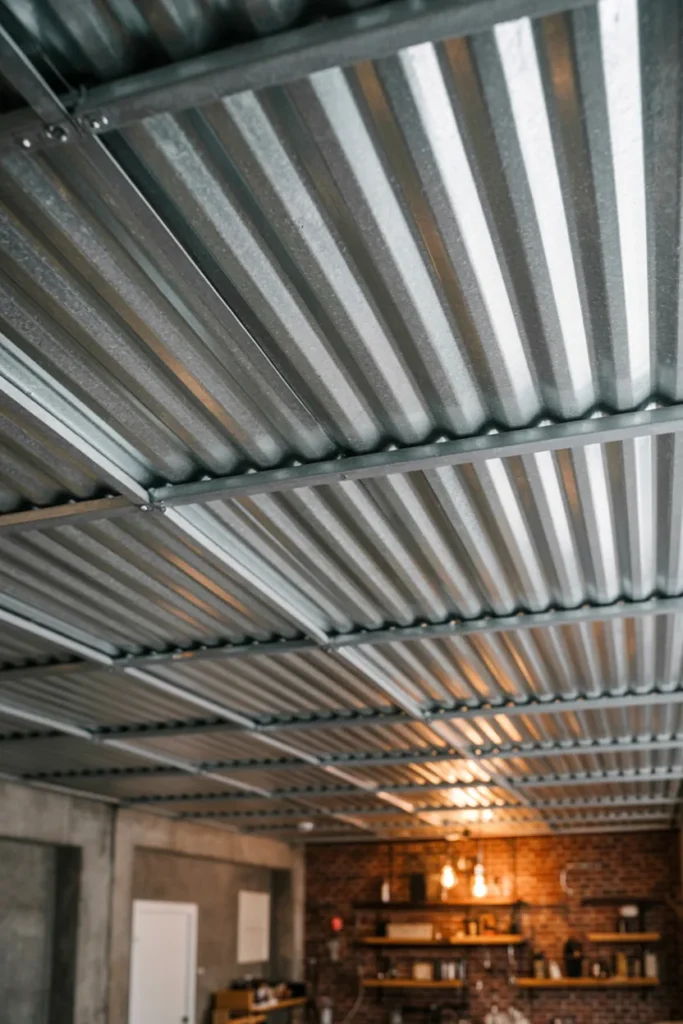
For an industrial look you can use corrugated metal sheets as ceiling tiles. You cut them to size and drop them right into the grid. This looks awesome in a workshop or a man cave.
I love this look because it is rugged and durable. It reflects light in a cool way and pairs perfectly with exposed brick walls. You do need to be careful about sharp edges when you cut the metal.
I learned that the hard way and needed a few band aids. But the final look is totally worth a little blood and sweat.
12. Decorative Painted Tiles
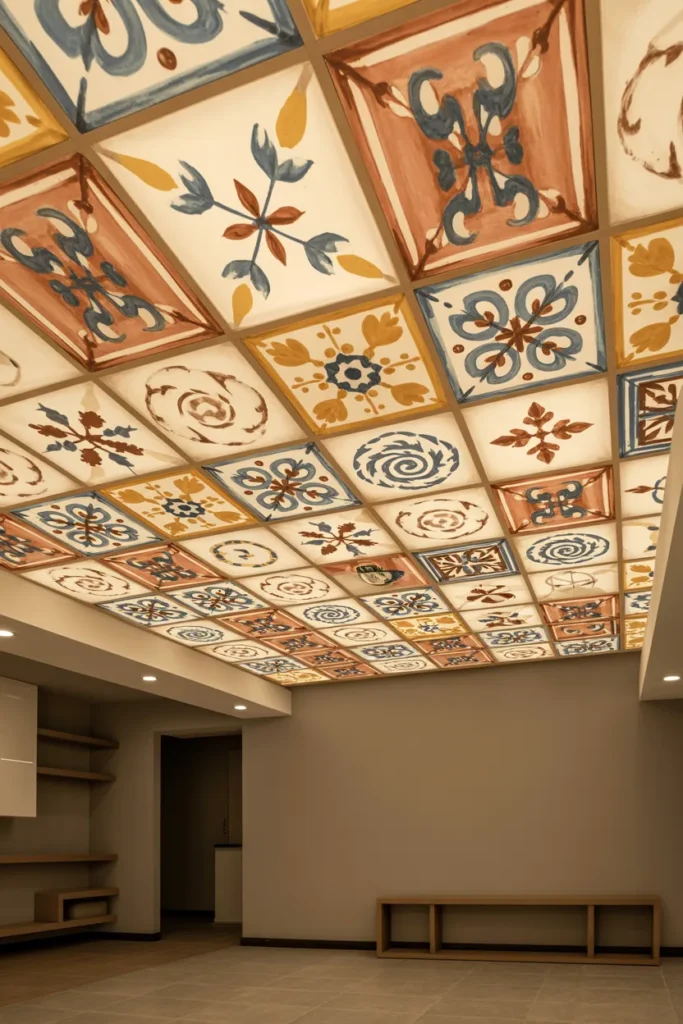
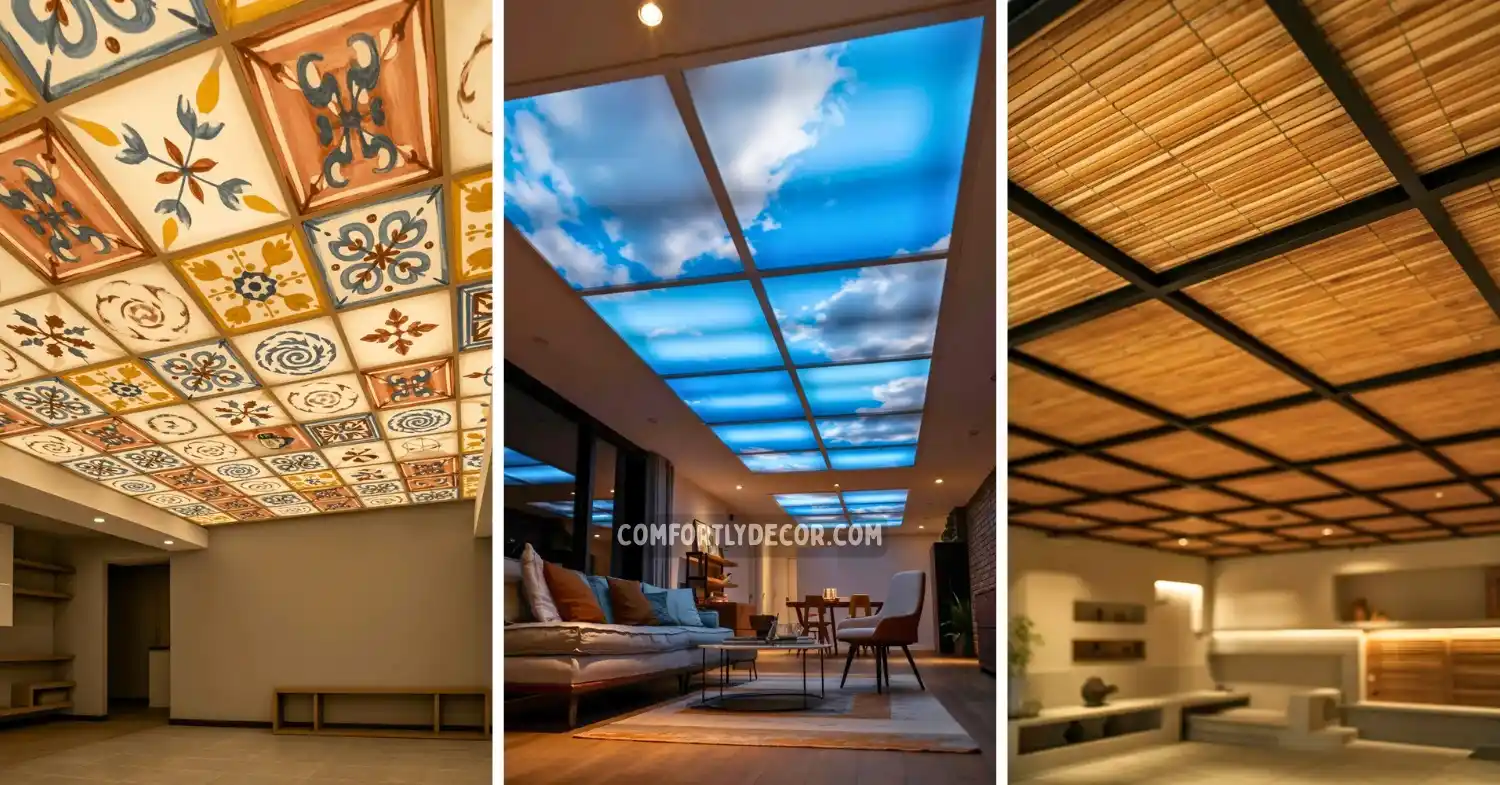
If you are artistic you can paint your own designs on plain tiles. Or you can buy pre painted ones with intricate patterns. This is a great way to add a splash of color to a neutral room.
I have seen people create beautiful mosaic patterns by mixing and matching different painted tiles. It makes the ceiling look like a work of art. It is a bold choice so keep the rest of the room simple. You do not want it to look like a clown exploded in your basement.
13. Backlit Sky Panels
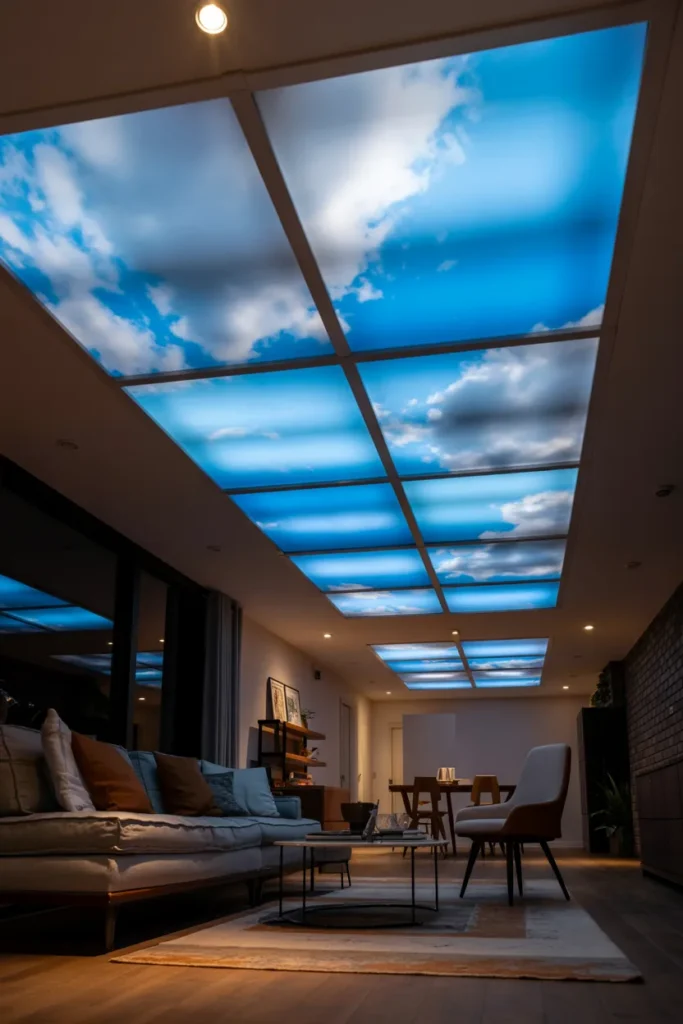
These are panels that have a picture of a blue sky and clouds printed on them. When you put lights behind them it looks like a skylight. This is perfect for basements that have zero natural light.
I admit it sounds a little cheesy but it is surprisingly relaxing. It tricks your brain into thinking you are outside. I think these are great for windowless offices or play areas for kids. It helps beat the gloomy basement feeling especially in the winter.
14. Bamboo Panels
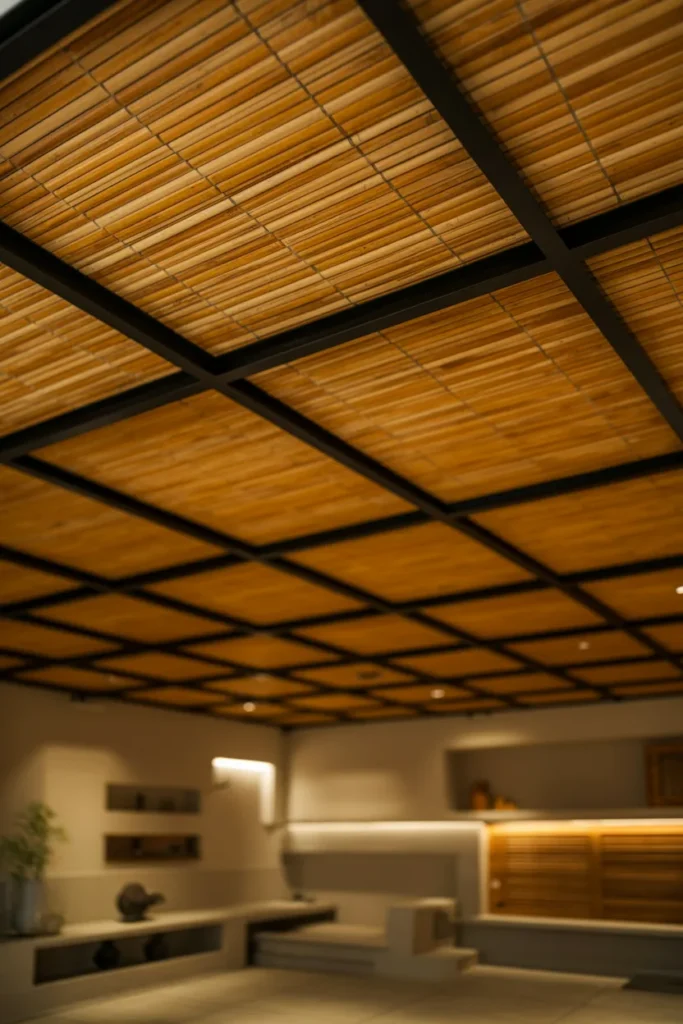
Bamboo adds a natural and organic touch to the room. You can get bamboo panels that fit into standard ceiling grids. They bring a spa like quality to the space.
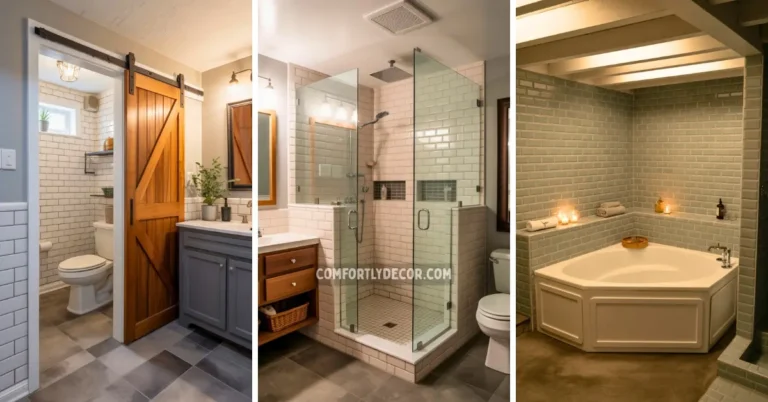
I considered this for my basement bathroom renovation. It looks very Zen and calming. Bamboo is also a sustainable material so you can feel good about your choice. It creates a warm and inviting atmosphere that makes you forget you are underground. It is definitely an upgrade from standard white squares.
15. Mixed Material Grid
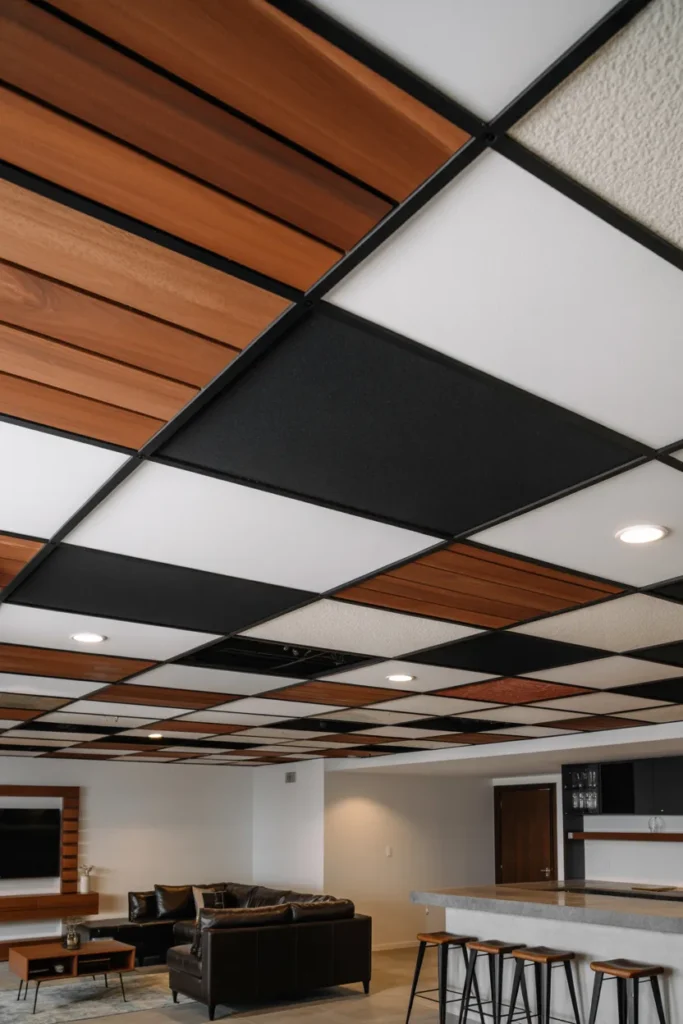
Who says you have to stick to one type of tile? You can mix and match different materials to create a custom look. Try alternating wood planks with black panels. Or mix smooth white tiles with textured ones.
I love this idea because it lets you be creative. You can define different zones in the room by changing the ceiling tiles. For example use acoustic tiles over the TV area and wood tiles over the bar. It breaks up the monotony and makes the space feel designed. It is your basement so have fun with it.
How to Choose Basement Drop Ceiling Idea
Choosing the right ceiling for your basement can feel overwhelming because there are so many options. I want to help you narrow it down so you can get started.
Here is a simple guide to help you make the right call.
Check Your Height
First things first. Measure how high your ceiling is. Drop ceilings hang below the joists so you lose a few inches of headroom.
If your ceiling is already low you need a system that hangs as tight as possible. Some grid systems are designed specifically for low clearance.
Do not ignore this or you might end up bumping your head every time you stand up.
Consider Moisture
Basements are famous for being damp. You need materials that can handle humidity.
Look for tiles that are labeled as moisture resistant or mold resistant. Materials like PVC or specialized mineral fiber are good choices.
Avoid standard cheap tiles if you have had water issues in the past. Sagging soggy tiles are not a good look for anyone.
Think About Access
One of the best things about drop ceilings is that you can still get to the pipes and wires above. But some tiles are harder to remove than others.
If you have valves or junction boxes that you need to reach often make sure you choose tiles that lift out easily. Heavy or fragile tiles might be a pain to move. Keep it practical.
Plan Your Lighting
Lighting makes or breaks a basement. Drop ceilings give you great options for recessed lighting.
You can install flat LED panels that fit right into the grid. Or you can cut holes in the tiles for can lights.
Plan your lighting layout before you start installing the grid. It is much harder to change it later. I learned this lesson the hard way.
Set Your Budget
Drop ceilings vary wildly in price. Basic white tiles are cheap but fancy wood or tin ones can get pricey fast.
Calculate the square footage of your room and price out the materials including the grid. Do not forget to factor in waste because you will have to cut tiles at the edges.
Set a budget that you are comfortable with and stick to it.
FAQs
Transform Your Basement with These Drop Ceiling Ideas
I hope this list has inspired you to tackle your basement ceiling project. There is no reason to settle for an ugly unfinished space. Whether you want the industrial look of black tiles or the classic charm of faux tin there is an option out there for you.
Remember that a drop ceiling is practical too. It hides the messy stuff while keeping it accessible. It helps with sound and lighting. And most importantly it adds value to your home. My basement went from a scary storage zone to my favorite room in the house.
So go ahead and pick your favorite style. Grab a tape measure and start planning. You are going to love the result. Trust me on this one. Your basement deserves a little love.

I am Mindy Medford, a home décor, paint, and design specialist with over a decade of hands-on experience transforming ordinary spaces into cozy, personality-packed havens. Since 2013, I have been helping homeowners discover the art of beautiful yet practical design. I share my love for color, texture, and layout—making stylish interiors & exteriors feel achievable for everyone. Whether it’s picking the perfect paint shade or reimagining a small space, I’m here to guide and inspire.